






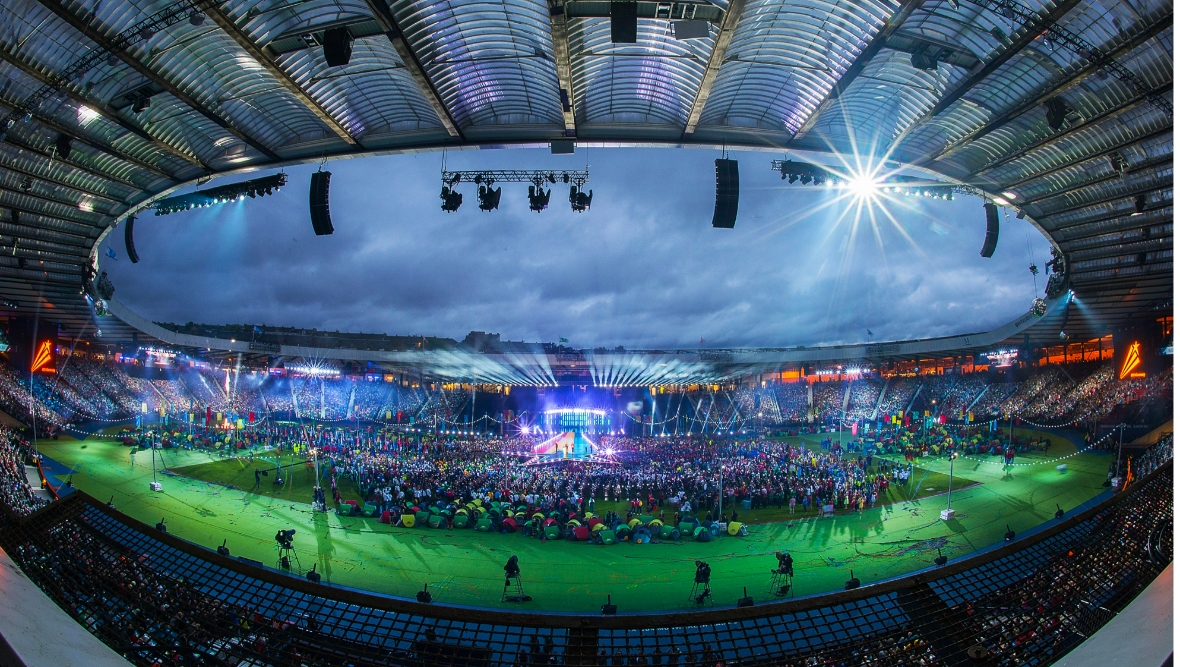
Glasgow has officially been confirmed as the host city for the 2026 Commonwealth Games, following the withdrawal of the original host, the Australian state of Victoria, last year due to escalating costs. The Commonwealth Games Federation (CGF) announced on Tuesday that the event will take place from July 23 to August 2, 2026, in a streamlined format featuring just 10 sports, down from 19 in the 2022 Birmingham edition.
The Scottish government approved Glasgow’s candidacy last month, with the CGF stating that the Games will prioritize integration of para-sports, including six disciplines. The confirmed sports for the 2026 Games are athletics and para-athletics, swimming and para-swimming, artistic gymnastics, track cycling and para-track cycling, netball, weightlifting and para powerlifting, boxing, judo, bowls and para-bowls, as well as 3×3 basketball and 3×3 wheelchair basketball.
Notably, several sports, such as triathlon, diving, hockey, T20 cricket, squash, badminton, and rugby sevens, will not be included in this year’s lineup. The CGF expects approximately 3,000 athletes from up to 74 Commonwealth nations and territories to participate.
In terms of funding, the CGF indicated that Glasgow 2026 is projected to generate over £100 million ($130 million) in inward investment without the need for public funding, with financial support from Australia after Victoria’s exit.
CGF Chief Executive Katie Sadleir expressed enthusiasm about the Games, stating, “We are delighted to officially confirm that the 2026 Commonwealth Games will take place in the host city of Glasgow.” She highlighted the “sustainable model” of the Games, aiming to expand the pool of potential future hosts.
Commonwealth Games Scotland Chairman Ian Reid acknowledged the challenges in selecting the sports for the event, emphasizing the need for affordability and feasibility. “We would have loved to have all of our sports and all of our athletes competing, but unfortunately, it’s just not deliverable or affordable for this timeframe,” he said.
Sadlier also noted that while some sports are missing from the Glasgow schedule, they could be reinstated in future Commonwealth Games. “Every time we run a Games, we only have two compulsory sports, athletics and swimming, and the rest are all up for discussion and negotiation,” she explained.
The Commonwealth Games, held every four years, evolved from the British Empire Games and predominantly features countries and territories with historical ties to British rule.