






By Ayomide Otitoju
The World Health Organization (WHO) has released new guidance to help countries address the immediate and long-term impacts of sudden and severe reductions in external health funding, which are disrupting essential health services across many low- and middle-income countries (LMICs).
The document, titled “Responding to the Health Financing Emergency: Immediate Measures and Longer-Term Shifts,” outlines a range of policy options for governments to mitigate the effects of abrupt financial shocks and strengthen efforts to secure sustainable funding for national health systems.
According to WHO projections, external health aid is expected to fall by 30% to 40% in 2025 compared to 2023 levels. Data from a March 2025 WHO survey of 108 LMICs reveal that funding cuts have led to reductions of up to 70% in critical health services such as maternal care, immunization, disease surveillance, and emergency preparedness. More than 50 countries have also reported job losses among health workers and disruptions to training programmes.
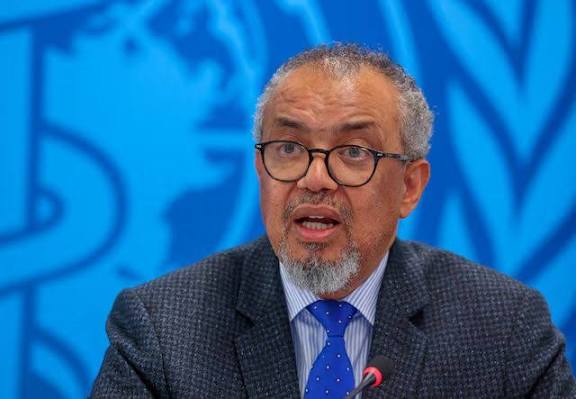
“Sudden and unplanned cuts to aid have hit many countries hard, costing lives and jeopardizing hard-won health gains,” said WHO Director-General Dr. Tedros Adhanom Ghebreyesus. “But in the crisis lies an opportunity for countries to transition away from aid dependency toward sustainable self-reliance based on domestic resources. WHO’s new guidance will help countries better mobilize, allocate, and prioritize funds to support the delivery of health services that protect the most vulnerable.”
The WHO noted that the current funding shortfalls exacerbate long-standing health financing challenges, including rising debt burdens, inflation, economic instability, high out-of-pocket payments, and chronic underfunding of public health budgets in aid-dependent nations.


