





By Ayomide Otitoju
The Lagos State Government on Wednesday intensified its push to eliminate malaria and tuberculosis, declaring digital innovation central to the next phase of its health sector reforms.
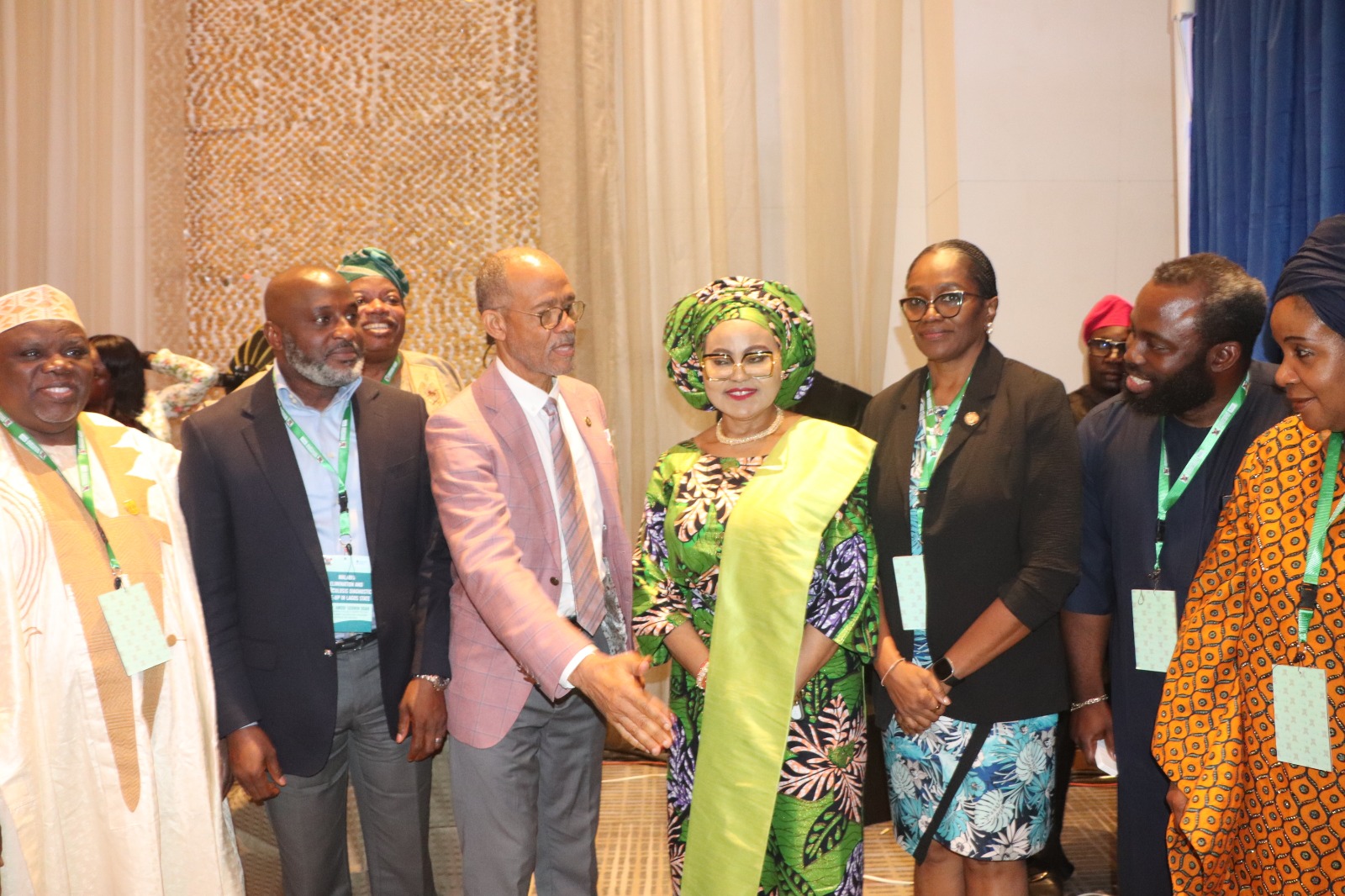
The high-level meeting, held in Ikeja in collaboration with Maisha Meds, brought together senior government officials, national programme leaders, lawmakers and private sector partners under the theme: “Scaling Digital Health Innovations in Lagos – Leveraging Proven Private Sector Frameworks for National Health Security.”
Governor Babajide Sanwo-Olu, represented by Secretary to the State Government Abimbola Salu-Hundeyin, said the initiative underscores the administration’s commitment to strengthening disease surveillance and healthcare delivery.
He noted that malaria remains a leading cause of illness, particularly among women and children, but highlighted progress made through the digitisation of over 400 private health providers and improved case management for more than 18,000 patients.
Commissioner for Health, Prof. Akin Abayomi, described the initiative as the beginning of a more ambitious reform phase. He revealed that malaria prevalence in Lagos has declined significantly, with test positivity rates dropping below one percent in some months after mandatory “test before treat” policies were enforced across public and private facilities.
According to him, over 500 facilities tested more than 77,000 fever cases in 2025 using validated rapid diagnostic kits, confirming that about 95 percent of fever cases in Lagos are not malaria. Through partnership with Maisha Meds, 514 community pharmacies and patent medicine vendors were digitised, enabling more than 80,000 diagnostic tests and strengthening referral pathways.
On tuberculosis, Abayomi disclosed that Lagos accounts for nine percent of Nigeria’s TB burden, with a significant detection gap. To address this, the state will deploy portable molecular diagnostic platforms through its digitally enabled provider network to decentralise testing and improve case detection.
He added that broader reforms include infrastructure upgrades, expansion of health insurance coverage, and the digitisation of health data systems to improve decision-making and sustainability.
National and federal health officials commended Lagos’ data-driven approach, describing it as a model for other states. Stakeholders agreed that integrating digital tools with public-private partnerships provides a scalable blueprint for strengthening national health security.
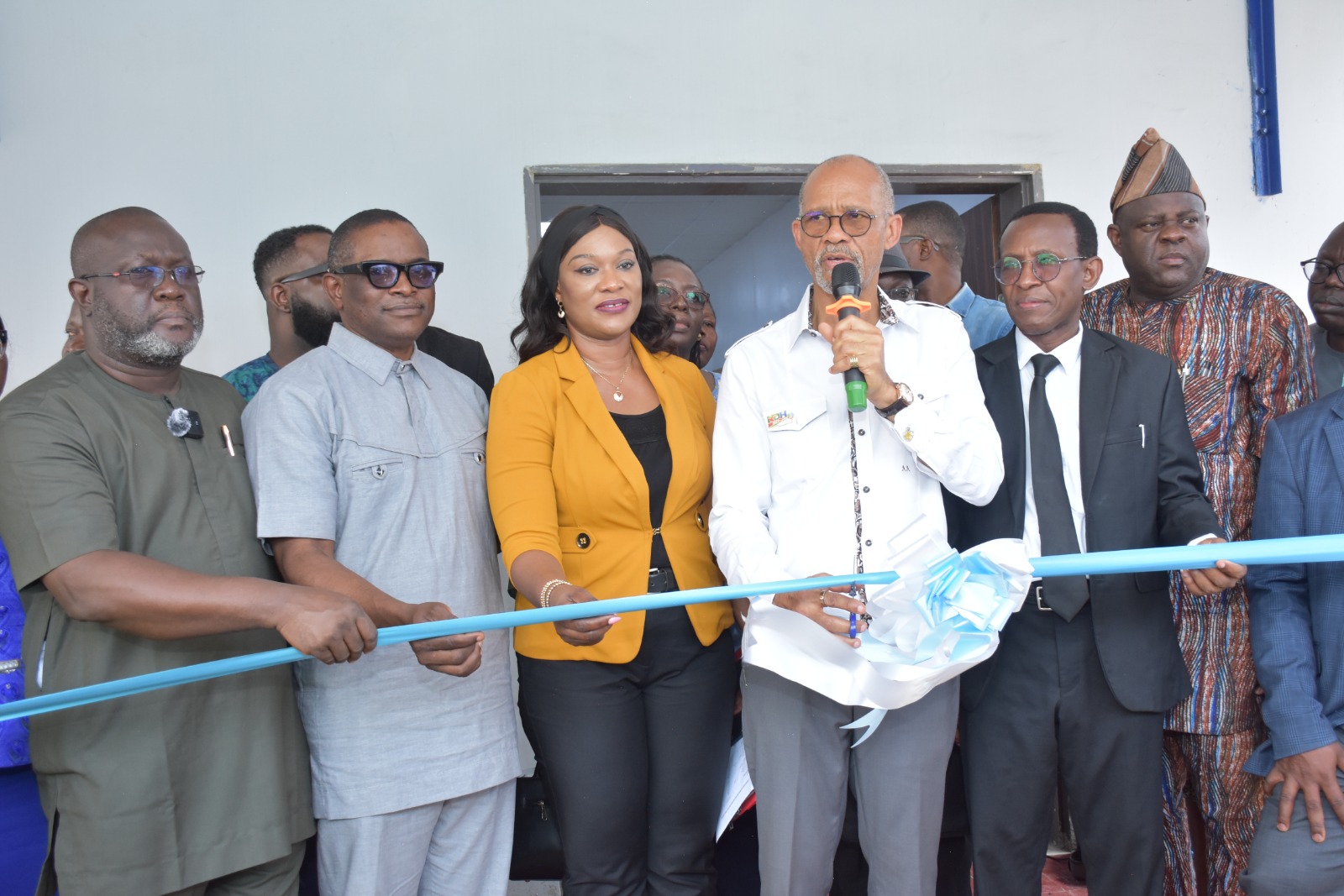
The event climaxed with the unveiling of the “End TB Now” diagnostic scale-up initiative, signalling a new phase in Lagos’ coordinated drive to transition from malaria control to elimination and expand technology-driven tuberculosis detection across communities.