







By Ayomide Otitoju
The Federal Government has approved new institutional and financing frameworks to accelerate the electrification of healthcare facilities across Nigeria under the Nigeria Power for Health Initiative (NPHI).
The initiative, jointly coordinated by the Federal Ministries of Power and Health and Social Welfare, aims to provide reliable electricity to at least 30% of Nigeria’s health facilities by the end of 2027.
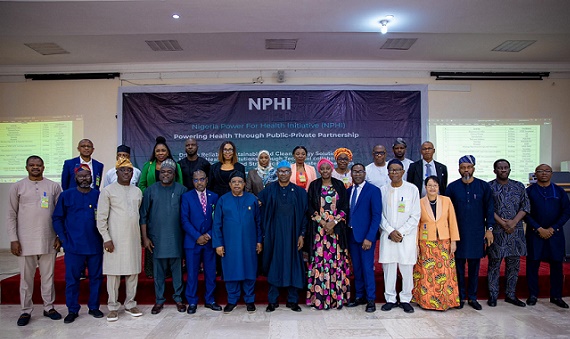
The decisions were reached during the third meeting of the NPHI Inter-Ministerial Steering Committee, chaired by the Minister of State for Health and Social Welfare, Dr Isiaq Salako, and co-chaired by the Minister of Power, Joseph Tegbe.
Tegbe said the programme must now move beyond announcements to the delivery and commissioning of completed projects that Nigerians can see and use.
He said reliable electricity is essential to ensuring hospitals can provide uninterrupted healthcare services, noting that teaching hospitals, state hospitals and primary healthcare centres must be fully powered.
The minister disclosed that the Rural Electrification Agency had already electrified five federal teaching hospitals and several other health facilities across the country.
According to him, dependable electricity would reduce healthcare facilities’ reliance on emergency generators and improve the delivery of critical medical services.
Salako said the committee approved a financing framework designed to attract investment into healthcare electrification, as well as a facility energy management framework to ensure participating hospitals can sustainably manage their energy infrastructure.
He added that eight private-sector proposals had been approved for further engagement from about 70 submissions received during the National Healthcare Electrification Investor Matchmaking Week in Lagos.
The minister also disclosed that Energy Management Teams had been established in federal tertiary hospitals, while state governments were being encouraged to establish similar structures.
He said the initiative would be institutionalised through dedicated budgetary provisions and a full-time Project Coordination Unit responsible for overseeing implementation.
The Permanent Secretary of the Federal Ministry of Power, Mahmud Mamman, stressed the importance of reliable electricity to healthcare delivery, noting that hospitals depend on uninterrupted power to operate medical equipment, preserve vaccines, support laboratories and respond effectively to emergencies.
He described the NPHI as a major collaboration between government, development partners and the private sector aimed at addressing one of the healthcare sector’s most critical infrastructure challenges.
The Federal Government said the initiative reflects its broader healthcare reform agenda under President Bola Ahmed Tinubu’s Renewed Hope Agenda, with reliable electricity increasingly recognised as a critical foundation for functional healthcare facilities.
As the programme moves from planning to project implementation, the government said its focus would remain on delivering sustainable power solutions that improve healthcare services and patient outcomes nationwide.
By Ayomide Otitoju
The Federal Government has approved new institutional and financing frameworks to accelerate the electrification of healthcare facilities across Nigeria under the Nigeria Power for Health Initiative (NPHI).
The initiative, jointly coordinated by the Federal Ministries of Power and Health and Social Welfare, aims to provide reliable electricity to at least 30% of Nigeria’s health facilities by the end of 2027.
The decisions were reached during the third meeting of the NPHI Inter-Ministerial Steering Committee, chaired by the Minister of State for Health and Social Welfare, Dr Isiaq Salako, and co-chaired by the Minister of Power, Joseph Tegbe.
Tegbe said the programme must now move beyond announcements to the delivery and commissioning of completed projects that Nigerians can see and use.
He said reliable electricity is essential to ensuring hospitals can provide uninterrupted healthcare services, noting that teaching hospitals, state hospitals and primary healthcare centres must be fully powered.
The minister disclosed that the Rural Electrification Agency had already electrified five federal teaching hospitals and several other health facilities across the country.
According to him, dependable electricity would reduce healthcare facilities’ reliance on emergency generators and improve the delivery of critical medical services.
Salako said the committee approved a financing framework designed to attract investment into healthcare electrification, as well as a facility energy management framework to ensure participating hospitals can sustainably manage their energy infrastructure.
He added that eight private-sector proposals had been approved for further engagement from about 70 submissions received during the National Healthcare Electrification Investor Matchmaking Week in Lagos.
The minister also disclosed that Energy Management Teams had been established in federal tertiary hospitals, while state governments were being encouraged to establish similar structures.
He said the initiative would be institutionalised through dedicated budgetary provisions and a full-time Project Coordination Unit responsible for overseeing implementation.
The Permanent Secretary of the Federal Ministry of Power, Mahmud Mamman, stressed the importance of reliable electricity to healthcare delivery, noting that hospitals depend on uninterrupted power to operate medical equipment, preserve vaccines, support laboratories and respond effectively to emergencies.
He described the NPHI as a major collaboration between government, development partners and the private sector aimed at addressing one of the healthcare sector’s most critical infrastructure challenges.
The Federal Government said the initiative reflects its broader healthcare reform agenda under President Bola Ahmed Tinubu’s Renewed Hope Agenda, with reliable electricity increasingly recognised as a critical foundation for functional healthcare facilities.
As the programme moves from planning to project implementation, the government said its focus would remain on delivering sustainable power solutions that improve healthcare services and patient outcomes nationwide.