







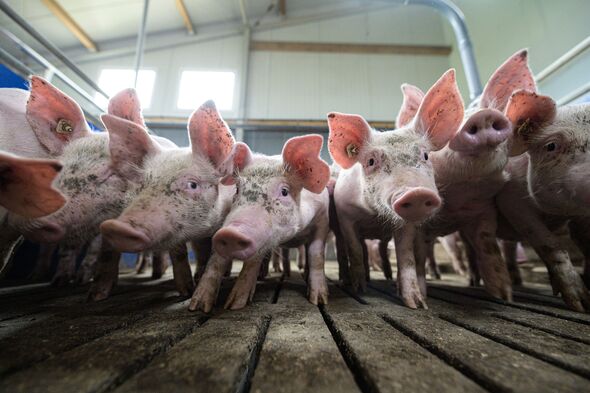
Alberto Cavagnini, a pig farmer in northern Italy, has culled 1,600 of his hogs due to a devastating outbreak of swine fever, posing a significant threat to Italy’s €20 billion pork industry, including its renowned prosciutto. The disease, which is fatal for pigs and economically catastrophic, has particularly impacted the northern regions of Lombardy, Piedmont, and Liguria, raising concerns across the border in France.
Since January 2022, Italy has reported nearly 25,000 cases in pigs across 50 farms and almost 2,500 in wild boars. While Cavagnini, who owns multiple farms, has been somewhat insulated from the financial blow, many breeders with single operations face total livestock loss.
EU experts criticized Italy’s crisis management following a visit in July, highlighting a lack of coordination among regions. They urged the implementation of a unified strategy for northern Italy, prompting Prime Minister Giorgia Meloni’s government to appoint a special commissioner.
Measures now include a ban on pig movement within infected areas—except to slaughterhouses—and restricted farm access. Francesco Feliziani from the National Reference Centre for Swine Fever noted that barriers are being constructed to limit wild boar movement.
Since the outbreak began, France has heightened vigilance in border areas, establishing an Italian-French technical group to bolster cooperation against what is deemed a major threat. The Italian pork sector, which supports 100,000 jobs and generates significant revenue, remains “very worried,” according to Ettore Prandini, head of Italy’s largest agricultural association, Coldiretti.
Italian farms host approximately 10 million pigs, with losses estimated at €25 million, as Cavagnini pointed out. While the government promises compensation for affected farmers—albeit delayed by two years—those unable to move their livestock face unmeasured losses potentially totaling “hundreds of millions.”
Commissioner Giovanni Filippini assured that measures are in place to prevent further virus spread, noting no new outbreaks recently. However, Prandini emphasized the need for increased financial support, warning that while the virus may be contained, it is not eradicated. “If we do not completely eliminate wild boars in these areas, the crisis may return,” he cautioned.


