




By Ayomide Otitoju
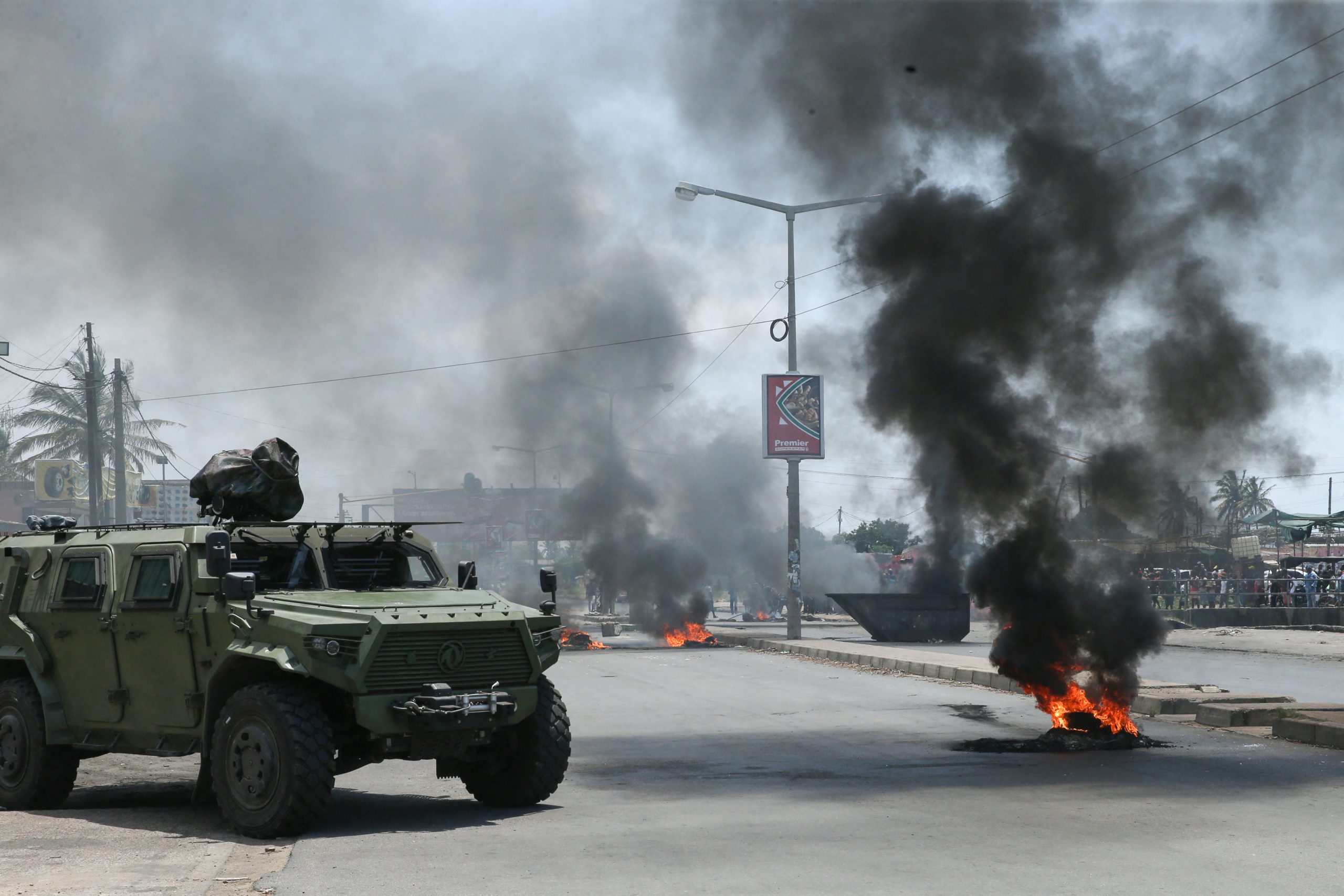
Amnesty International has urged the Mozambican government to “end its bloody crackdown on protesters” following violent demonstrations that erupted after disputed presidential elections held in October. The human rights organization reported that at least 110 people have been killed in the unrest, which has gripped the southern African nation since the polls on October 9, which were won by the ruling Frelimo party, a longstanding political force since 1975, but criticized by opposition parties as fraudulent.
“Enough is enough. For more than 50 days, Mozambique’s Frelimo-led government has refused to end its bloody crackdown on protesters,” said Khanyo Farise, Amnesty’s Deputy Director for East and Southern Africa, in a statement. Local organization Plataforma Decide, cited by Amnesty, reported that over 30 fatalities occurred between last Wednesday and Monday alone, highlighting the escalating violence.
“The authorities’ flagrant, continued, and escalating use of unnecessary and unlawful force against protesters must cease immediately,” Farise added.
The Constitutional Council is expected to confirm the election results at least two weeks before the scheduled inauguration of Daniel Chapo, 47, Frelimo’s candidate and successor to outgoing President Filipe Nyusi. According to the electoral commission, Chapo secured nearly 71 percent of the vote, while Venancio Mondlane, the leader of the minor Podemos party, claimed second place with 20 percent. However, Mondlane has contested these results, asserting that his own calculations indicate he received 53 percent, with Chapo garnering only 36 percent.
In a video address recorded from abroad, Mondlane urged his supporters to disrupt Mozambique’s mines in protest. Meanwhile, South Africa’s Interior Minister Leon Schreiber appealed for calm during a visit to the heavily affected Lebombo border crossing, which has been a focal point of protests. “What we want is for a resolution to the impasse because we know it’s impacting trade and travel, and no one wants that situation,” he stated.
In response to the crisis, President Nyusi convened an advisory body, the State Council, on Wednesday to call for “deep reforms.” He stressed the need for “defence and security forces to prepare for the challenges facing the country,” urging them to use force “only in cases of extreme necessity.”
Acknowledging the opposition’s concerns, Nyusi also announced plans for a “comprehensive revision of electoral law” aimed at promoting transparency and credibility in future elections.