









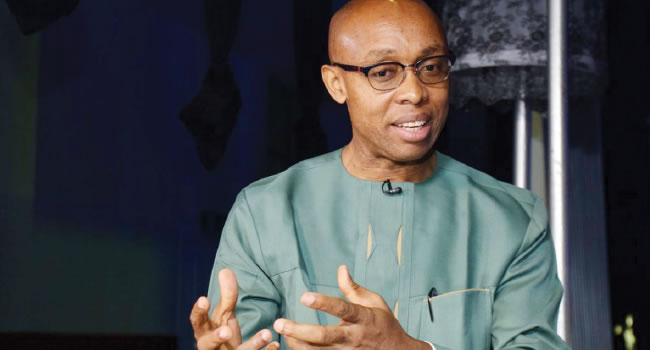
Former Chairman of the National Human Rights Commission (NHRC), Prof. Chidi Odinkalu, has criticized senior members of Nigeria’s legal profession for their role in what he described as the deterioration of the country’s justice system. Odinkalu aired his views during an appearance on Inside Sources with Laolu Akande, a socio-political program on Channels Television on Friday.
Odinkalu’s remarks came while addressing the ongoing legal battle involving lawyer and activist Dele Farotimi, who faces multiple charges of criminal defamation. Farotimi was arrested in December at his Lagos office and taken to Ekiti State for allegedly defaming legal luminary Afe Babalola in his book Nigeria and its Criminal Justice System. The charges stem from allegations that Babalola influenced a Supreme Court judgment.
“Every rule that can be breached has been breached,” Odinkalu said, adding that the allegations of judicial corruption Farotimi raised highlight systemic problems. “Dele is accused of making allegations about judicial corruption. Ironically, the handling of this case reinforces the existence of judicial corruption.”
Farotimi, who has pleaded not guilty, has been in custody for three weeks while facing additional charges in Abuja and Oyo states. Odinkalu noted that defamation has been decriminalized in states such as Ekiti, Lagos, and Edo, emphasizing that remedies for libel or slander should be sought through civil, not criminal, law.
“Our seniors in the legal profession have made a mess of the litigation process, making it inaccessible for all but a privileged few,” Odinkalu said. He decried the lengthy timelines of defamation cases in Nigerian courts, which can span 11 to 15 years, and criticized the legal elite for profiting from the system’s inefficiencies.
Odinkalu also highlighted procedural issues with the Supreme Court, particularly its handling of cases involving significant changes to rulings. He noted concerns over the apex court’s review of a land dispute that expanded from 10 hectares to 250 hectares, calling it a questionable practice.
“The Supreme Court can overrule itself, but there must be rules to follow,” he said.


