





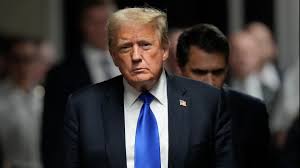
President-elect Donald Trump has petitioned the U.S. Supreme Court to halt his sentencing in a criminal case involving hush money payments, scheduled for this week, as he appeals his conviction.
The eleventh-hour request comes after a New York State appeals court on Tuesday dismissed Trump’s bid to delay the hearing. Trump was convicted in May of falsifying business records to conceal a payment made to adult film star Stormy Daniels during the 2016 presidential campaign, intended to prevent her from disclosing an alleged 2006 affair.
With just weeks until his January 20 inauguration for a second term, Trump is scrambling to avoid the consequences of his conviction. His lawyers argue that the proceedings should be suspended, citing potential harm to the presidency and federal government operations.
“This Court should enter an immediate stay of further proceedings in the New York trial court to prevent grave injustice and harm to the institution of the Presidency,” Trump’s legal team wrote in their filing to the Supreme Court. They also asserted that the commencement of an appeal on presidential immunity grounds should automatically pause the lower court’s actions.
Despite Trump’s claims, New York State associate justice Ellen Gesmer rejected his arguments for postponing the sentencing, ruling Tuesday that proceedings should continue. Trump’s lawyers have also unsuccessfully argued that immunity from prosecution, granted to sitting presidents, should extend to presidents-elect.
Judge Juan Merchan, who presides over the case, has indicated that Trump is unlikely to face jail time. In a filing last week, Merchan suggested an unconditional discharge—meaning Trump would neither face incarceration nor any additional conditions tied to his sentencing.
If imposed, the 78-year-old Trump would avoid up to four years in prison, the maximum penalty for the conviction.
Trump’s certification as the winner of the 2024 presidential election was finalized Monday, marking a dramatic political comeback four years after the January 6, 2021, Capitol riot, during which his supporters attempted to overturn his 2020 election loss.
As the legal battle unfolds, Trump’s defense continues to rely on last year’s Supreme Court decision affirming sweeping immunity for former presidents concerning official acts performed during their time in office. Whether this will impact the current proceedings remains to be seen.