



By Ayomide Otitoju
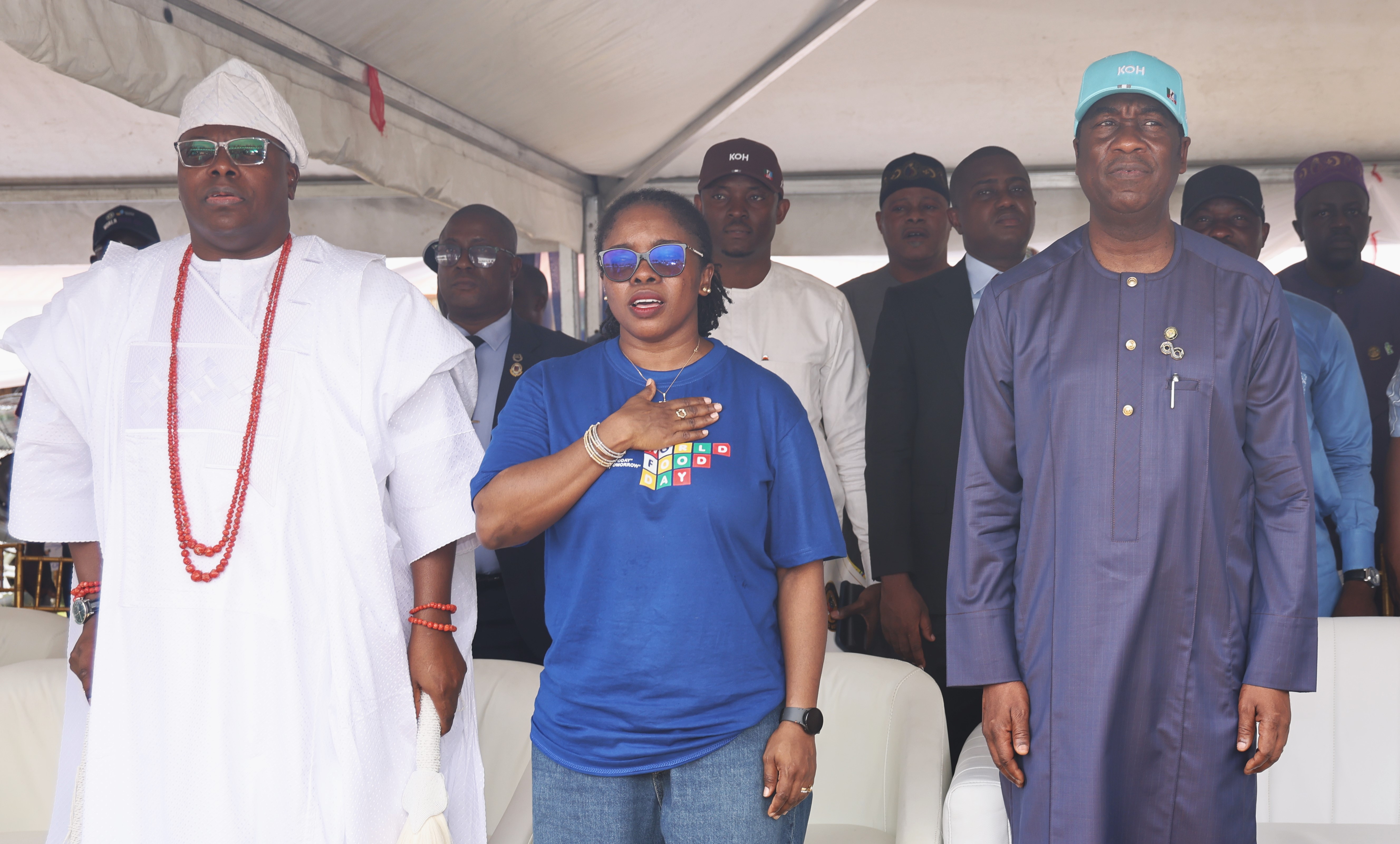
The Deputy Governor of Lagos State, Dr. Obafemi Hamzat, has expressed outrage over an unprecedented electricity bill issued to his official residence, describing it as a clear example of the broader power billing crisis affecting residents across the state.
Speaking on Monday at a government event, Hamzat disclosed that his power bill surged from ₦2.7 million in March to a staggering ₦29 million in April. He noted that the unexplained spike in billing prompted him to escalate the matter to the Lagos State Commissioner for Energy.
“Last month, in my house — or rather, the state house where I live — the bill was ₦2.7 million. This month, Eko DisCo sent us a bill of ₦29 million,” the deputy governor said. “I sent it to the Commissioner for Energy. It’s crazy. I actually procured a meter to avoid estimated billing, but even converting it has been a major challenge.”
Hamzat’s comments were part of a broader critique of the estimated billing system, which he described as a source of hardship for Lagos residents. He cited a case from Coker Aguda in Surulere where a resident received a ₦2.8 million monthly electricity bill — a sum exceeding his annual rent of ₦2 million.
“Our people are suffering because of estimated billing,” he lamented. “How can someone’s electricity bill be higher than their annual rent? These are the real challenges families are facing.”
Government Signs MoU to Expand Solar Power Access
The event also featured a significant milestone in Lagos State’s quest for improved energy access: the signing of a Memorandum of Understanding (MoU) between the Lagos State Government and the Rural Electrification Agency (REA).
The agreement aims to expand solar power generation and distribution across underserved and off-grid communities in the state. The collaboration will include joint technical assessments, capacity building, investment facilitation, and the promotion of community-based energy cooperatives.
“This MoU is part of our long-term strategy to improve energy access and reduce the overreliance on generators, which has become a financial burden on Lagosians,” an official from the Ministry of Energy said during the event.
Energy Deficit Still a Major Burden
According to the Lagos Economic Development Update (2025), Lagos residents and businesses collectively spend an estimated ₦5.3 trillion annually on powering generators due to an ongoing electricity shortfall.
The report further highlights that, as of 2020, only 31 percent of households in Lagos had access to the national grid, leaving 69 percent dependent on generators and alternative energy sources.
The deputy governor’s remarks and the signing of the MoU underscore the urgency with which the state government is seeking to address the electricity supply crisis — a problem that affects not just low-income residents but top government officials as well.