



By Ayomide Otitoju
The Managing Director/CEO of the Lagos Waste Management Authority (LAWMA), Dr. Muyiwa Gbadegesin, has called on Lagos residents to stop discarding waste and instead embrace recycling and the circular economy to unlock its economic value.
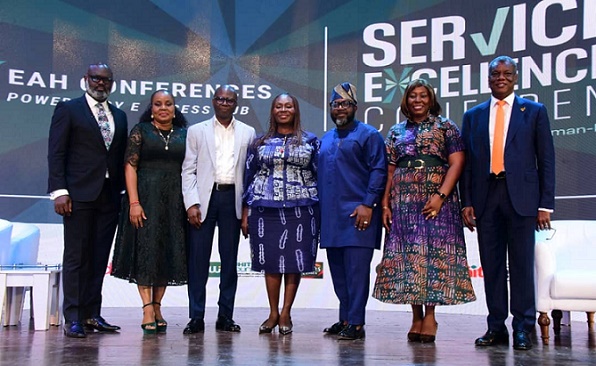
Speaking during a stakeholder engagement, Gbadegesin emphasized that what is commonly seen as waste is actually a valuable resource. “Waste is not waste — it’s money. Many people are making a decent living collecting and selling recyclable materials,” he said.
He advocated for a shift from traditional disposal methods to a circular economy model, where waste is reduced, reused, and recycled. “We envision a Lagos where at least 90% of our waste is recycled,” Gbadegesin added.
As part of ongoing reforms, he reiterated LAWMA’s campaign for households to separate recyclables such as paper, PET bottles, cans, and textiles from general waste. He urged greater private sector participation in recycling, beyond mere waste collection.
Gbadegesin disclosed plans to decommission the Olusosun and Solous landfills and convert them into Material Recovery Facilities (MRFs), while building Transfer Loading Stations (TLS) to enhance waste processing.
He also highlighted partnerships with both large corporations and start-ups, including GreenDeall, which is developing a plastic-to-oil recycling plant at a decommissioned dumpsite in Abule-Egba.
In addition, Gbadegesin revealed plans to publish a “deal book” later in the year, outlining investment opportunities across the waste management value chain, alongside an interactive map on LAWMA’s website to guide interested stakeholders.
Addressing the agency’s youth-focused initiatives, he detailed LAWMA’s environmental education programs, including the LAWMA Academy, school outreach, and internship schemes. He also noted that 2,000 recycling bins had been distributed to primary schools with recycling companies engaged to collect plastic waste.
Two model recycling hubs have been approved by the Ministry of Education to be set up in schools in Yaba. These hubs will be run by students and serve as learning centers for sustainable waste practices.
Gbadegesin identified human behavior as the most significant obstacle to effective waste management and stressed that involving the younger generation is key to long-term change. “If we do this right, our children will grow up understanding that waste is wealth,” he concluded.


