








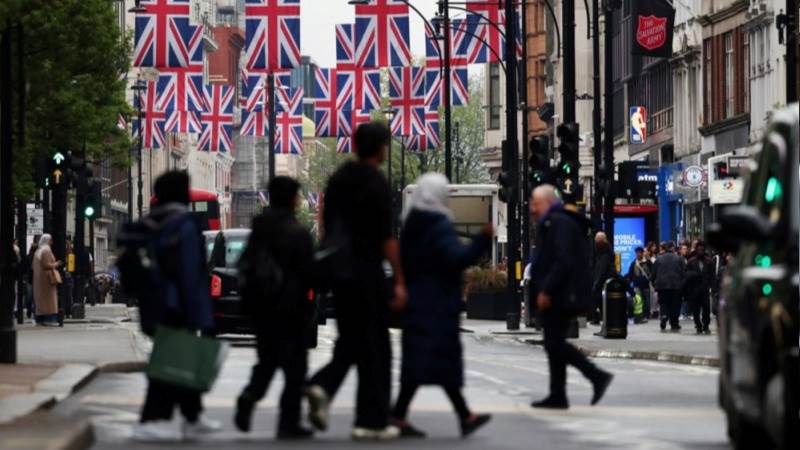
Britain’s unemployment rate has risen to its highest level in over three years, reaching 4.5 percent in the first quarter, according to data released Tuesday by the Office for National Statistics (ONS).
The report highlights growing concerns over the health of the UK labour market, which is under pressure from both domestic and international economic shocks. The rise in joblessness comes ahead of an April business tax increase introduced in the Labour government’s first budget, and follows a 10-percent baseline tariff on UK exports imposed by U.S. President Donald Trump in March.
“The broader picture continues to be of the labour market cooling, with the number of employees on payroll falling in the first quarter,” said Liz McKeown, ONS Director of Economic Statistics.
While wage growth slightly decelerated, it remained relatively strong, with little disparity between public and private sectors, the report noted.
Economists say the data increases the likelihood of further interest rate cuts by the Bank of England, which has already lowered rates twice this year.
“While the jobs market weakened further, this isn’t feeding through to a marked easing in pay growth,” said Ruth Gregory, Deputy Chief UK Economist at Capital Economics. “That will probably keep the Bank of England cutting interest rates at the current pace of once every quarter.”
Gregory also noted that early signs of further job losses in April point to ongoing business responses to higher taxes and an increased minimum wage.


