








By Ayomide Otitoju
In a landmark move to secure sustainable financing for global health, World Health Organization (WHO) Member States have approved a 20% increase in assessed contributions—mandatory membership dues—as they endorsed the Organization’s $4.2 billion budget for the 2026–2027 biennium.
This marks the second consecutive 20% increase in membership dues, following a similar adjustment in the 2024–2025 budget cycle. The approval comes despite ongoing fiscal constraints and global economic challenges, underscoring Member States’ continued commitment to global health security and solidarity.
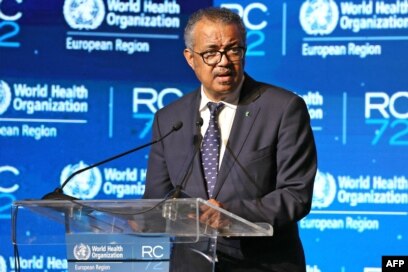
WHO Director-General Dr. Tedros Adhanom Ghebreyesus expressed gratitude to Member States for their sustained support, calling the decision a strong vote of confidence in the Organization’s mission to promote health, ensure safety, and serve the vulnerable. “This collective action is a powerful signal that Member States stand behind a stronger, more resilient WHO,” he said.
The Organization has long faced challenges due to inadequate and unpredictable funding, which has hindered its ability to plan and execute long-term health initiatives. A heavy dependence on a limited pool of voluntary donors was identified as a core issue during WHO’s 2017 Transformation initiative.
In 2022, Member States agreed to gradually increase assessed contributions to cover 50% of WHO’s core budget by the 2030–2031 cycle. At the time, such contributions accounted for just 16% of the approved budget for 2020–2021.
The newly approved $4.2 billion budget—down from an earlier proposal of $5.3 billion—reflects a 22% reduction in response to prevailing global financial pressures. It is the first budget fully aligned with WHO’s Fourteenth General Programme of Work (GPW 14), its strategic roadmap for 2025–2028.
Officials emphasized that sustainable financing remains more vital than ever, as the world continues to face mounting public health risks and the need for coordinated, long-term responses.
The adoption of the revised budget and the increased contributions reaffirm WHO’s central role in strengthening global health systems and responding to emerging health threats across member nations.


