






By Ayomide Otitoju
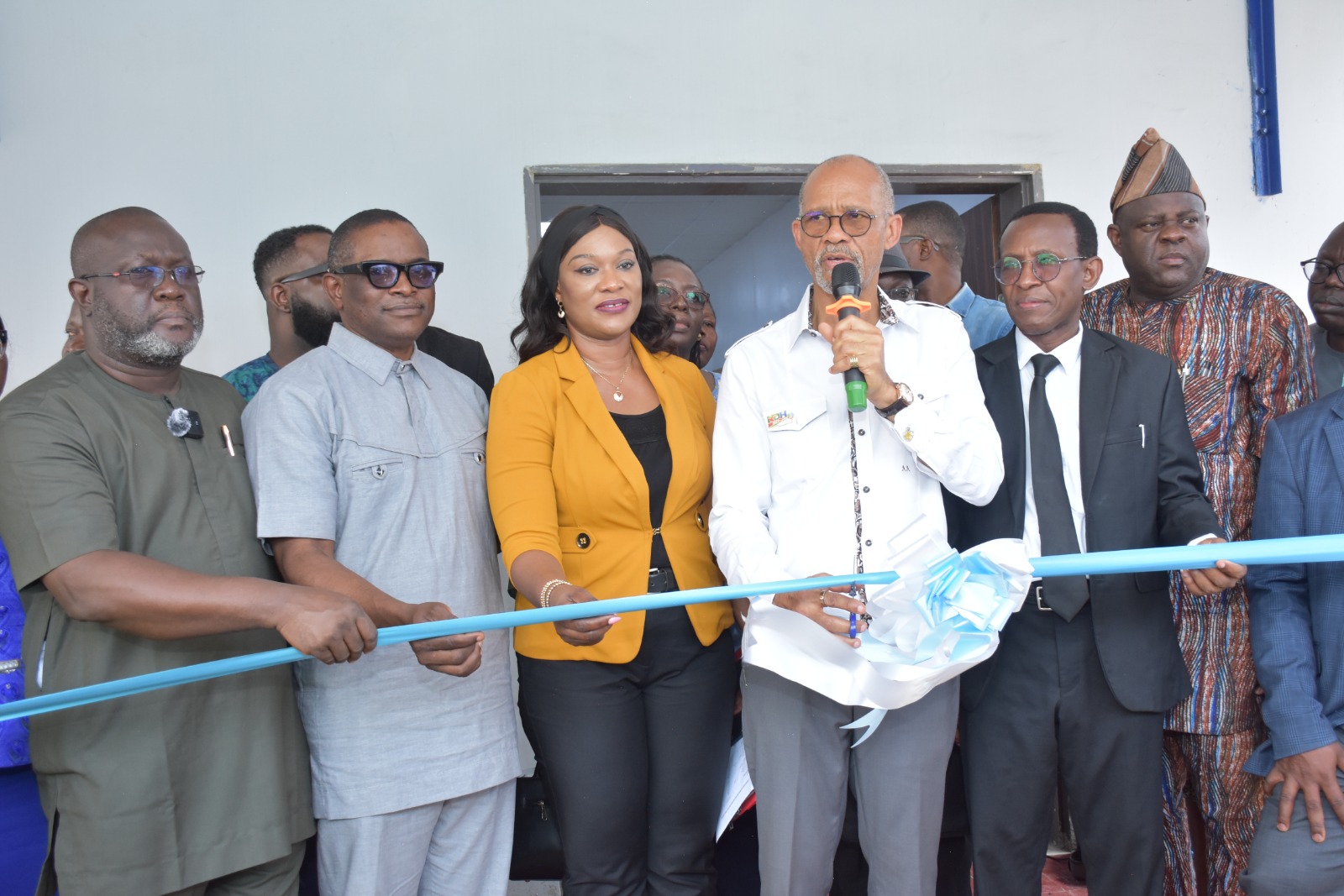
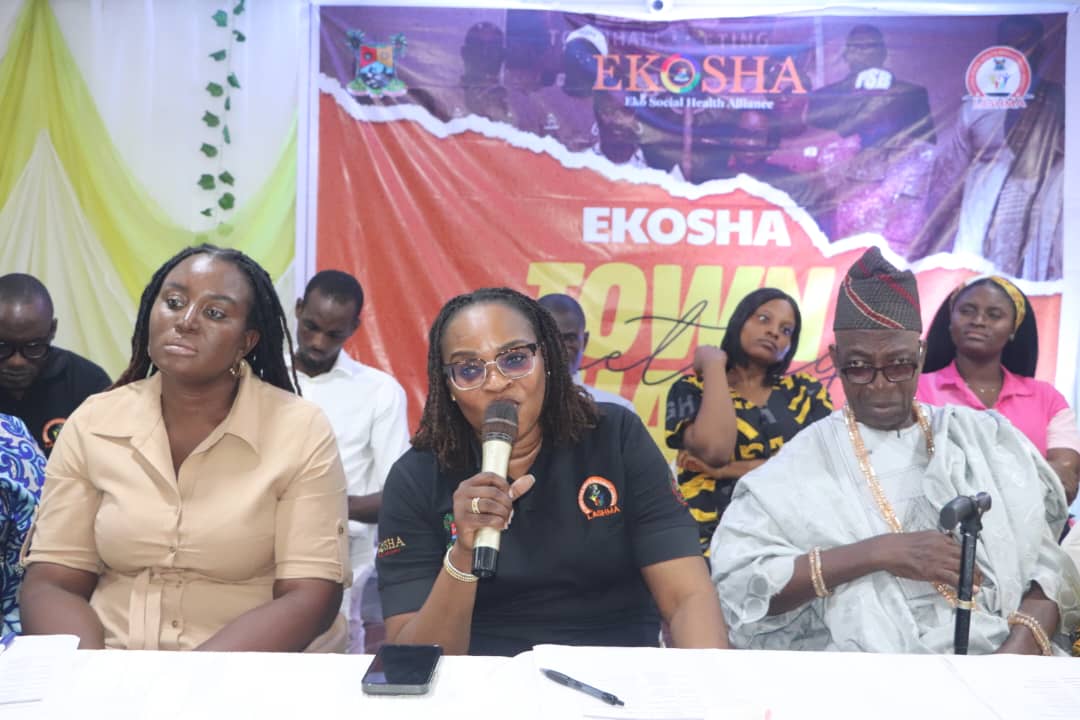
The Lagos State Health Management Agency (LASHMA) has reaffirmed that the ILERA EKO Health Insurance Scheme remains robust, affordable, and accessible to all Lagos residents, emphasizing that no benefits have been removed from the scheme. The agency clarified that recent adjustments were made to strengthen accountability, prevent misuse, and ensure the long-term sustainability of the state’s health insurance system.
Permanent Secretary of LASHMA, Dr. Emmanuella Zamba, explained that the policy refinements are aimed at protecting families from catastrophic medical costs while improving maternal health outcomes and sustaining the integrity of the scheme.
“The adjustments we made are meant to protect families, improve maternal outcomes, and safeguard the sustainability of the scheme,” Dr. Zamba stated.
According to her, the review covers maternity services—both vaginal and caesarean deliveries—elective surgeries, and the introduction of a one-month waiting period before activation for new enrollees, effective January 1, 2026. These measures, she said, are designed to promote early enrolment, continuous participation, and responsible utilization of the scheme.
Under the revised guidelines, pregnant women must be enrolled for at least five months and present proof of antenatal care before accessing delivery services. Similarly, elective (non-emergency) surgeries will now require a four-month waiting period. However, antenatal care remains fully covered without any waiting period to ensure continuous support for expectant mothers.
Dr. Zamba noted that the review was prompted by the growing trend of “adverse selection,” where individuals only register shortly before accessing high-cost medical services such as delivery or surgery and then drop out after treatment.
“Some residents enroll just before accessing maternity or surgical care and exit afterwards. This undermines the risk-pooling principle that sustains every insurance system,” she emphasized.
Citing actuarial data, she revealed that maternity services account for 61% of total claims, with caesarean sections representing 79% of maternity costs—equivalent to nearly 48% of overall claims. Furthermore, 49.4% of enrollees accessed benefits within the first month of registration, while 75% did so within three months, underscoring the need for stricter participation rules.
“These high-cost interventions were increasingly being treated as ‘pay-as-you-go’ services by some members of the public,” Dr. Zamba added, stressing that the new policy ensures fairness and sustained access, especially for consistent contributors.
She clarified that the new guidelines apply only to general public enrollees, while the vulnerable population (funded by the Lagos State Equity Fund) and public servants under the formal sector plan remain unaffected due to their structured, continuous premium payments.
The Permanent Secretary noted that the new policies took effect in the second quarter of 2025, following formal notifications to hospitals and enrollees via multiple communication channels, including emails, text messages, WhatsApp broadcasts, and ILERA EKO radio programmes. The adjustments were also discussed during LASHMA’s Q3 Media Parley held on October 22, 2025.
To protect low-income families, Dr. Zamba assured that emergency services, including urgent surgeries and emergency caesarean sections, are exempt from the waiting period.
“No patient has been denied emergency care under ILERA EKO,” she said. “Those not yet meeting waiting-period criteria can still access services at affordable, negotiated ILERA EKO tariffs.”
She advised residents on the Pay Small-Small plan to complete their premium payments at least two months before expected delivery or surgery to ensure uninterrupted coverage.
“Health insurance thrives on collective responsibility. When people only join when they are sick, the system becomes unsustainable,” she cautioned.
Dr. Zamba reiterated that health insurance in Lagos is mandatory by law, urging young and healthy residents to remain enrolled.
“The scheme is built on shared risk and solidarity. By staying enrolled, Lagosians are not only protecting themselves but contributing to a healthier, stronger state,” she concluded.


