








By Ayomide Otitoju
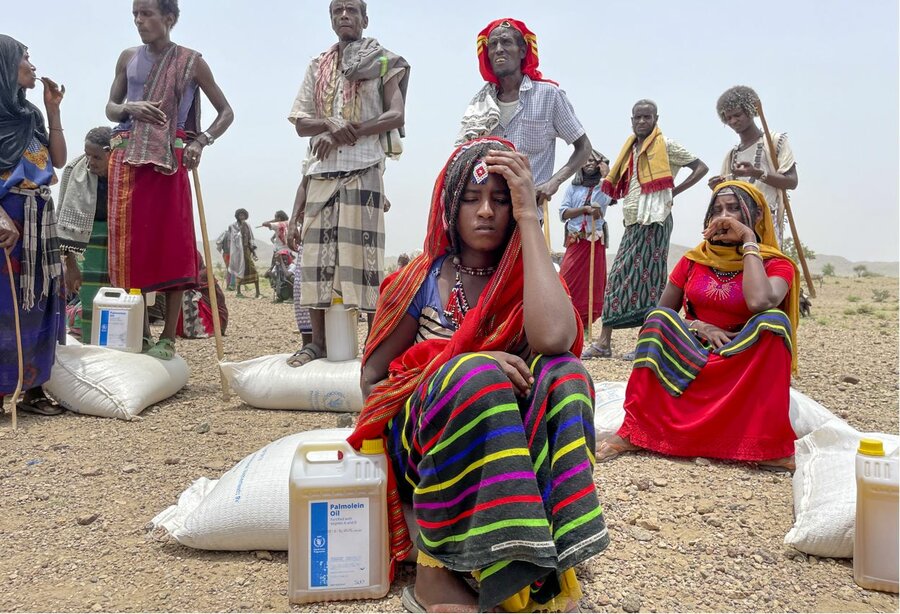
The United Nations has raised the alarm over worsening acute food insecurity in Nigeria and 15 other global hunger hotspots, warning that millions could face famine between November 2025 and May 2026.
The warning comes from the joint Hunger Hotspots: FAO/WFP Early Warnings on Acute Food Insecurity report, produced by the Food and Agriculture Organisation (FAO) and the World Food Programme (WFP).
The report identified Afghanistan, the Democratic Republic of the Congo (DRC), Myanmar, Nigeria, Somalia, and Syria as zones of “very high concern,” while Haiti, Mali, Palestine, South Sudan, Sudan, and Yemen face an imminent risk of catastrophic hunger, classified at the highest phase (IPC/CH Phase 5). Four additional areas — Burkina Faso, Chad, Kenya, and the Rohingya refugee camps in Bangladesh — were flagged as high-risk requiring urgent intervention.
Conflict, economic shocks, and extreme weather remain the primary drivers of hunger, while shrinking humanitarian funding threatens to push several countries toward famine. As of October 2025, only $10.5 billion of the $29 billion needed for emergency food assistance had been received, forcing deep ration cuts and the suspension of vital nutrition and school feeding programmes.
FAO warned that without immediate funding, essential agricultural support — including seeds, livestock care, and early farming interventions — will not reach communities in time for the next planting season. FAO Director-General QU Dongyu urged a shift from crisis response to prevention:
“We must move from reacting to crises to preventing them. Investing in livelihoods, resilience, and social protection before hunger peaks will save lives and resources. Famine prevention is not just a moral duty, it is a smart investment in long-term peace and stability.”
“Mothers are skipping meals so their children can eat. Families are exhausting what little they have left as they struggle to survive. We urgently need new funding and unimpeded access. A failure to act now will drive further instability, migration, and conflict.”
Both agencies called for renewed global attention, sustained investment in resilience, and unrestricted humanitarian access to conflict-affected areas, emphasising that famine is predictable and preventable with strong political will, adequate funding, and coordinated action.
The bi-annual Hunger Hotspots report is developed under the Global Network Against Food Crises, with financial support from the European Union, to guide early warning and coordinated responses to food emergencies.


