







By Ayomide Otitoju
Anambra State’s 2026 “Changing Gears 3.0” budget places strategic emphasis on consolidating and operationalising the major health investments made over the past four years, with the sector receiving a 13% year-on-year increase. According to Governor Chukwuma Charles Soludo’s Chief Press Secretary, Christian Aburime, the increase signals a transition from large-scale construction to system-wide functionality and service expansion.
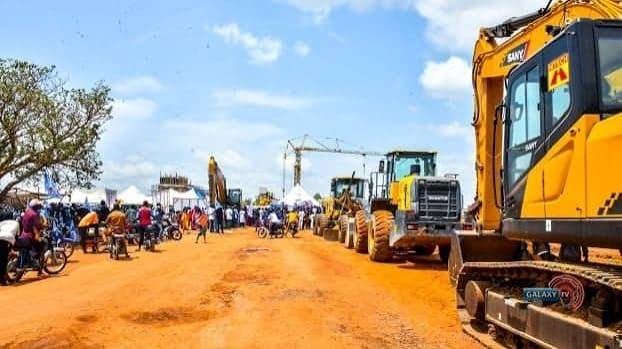
Aburime noted that while the percentage rise may appear modest compared to previous years, it reflects a deliberate shift toward completing, equipping, staffing and optimising facilities already under development. These include four newly built general hospitals, ongoing renovation of 326 Primary Health Centres (PHCs), a new state Trauma Centre, and the successful rollout of free antenatal care that has benefited more than 161,000 women.
A major priority for 2026 is the completion of the Anambra State College of Nursing Sciences. The institution, now nearing full readiness, is expected to commence academic activities in the 2026/2027 session, ending the state’s long dependence on external nursing schools and helping curb the national trend of medical brain drain.
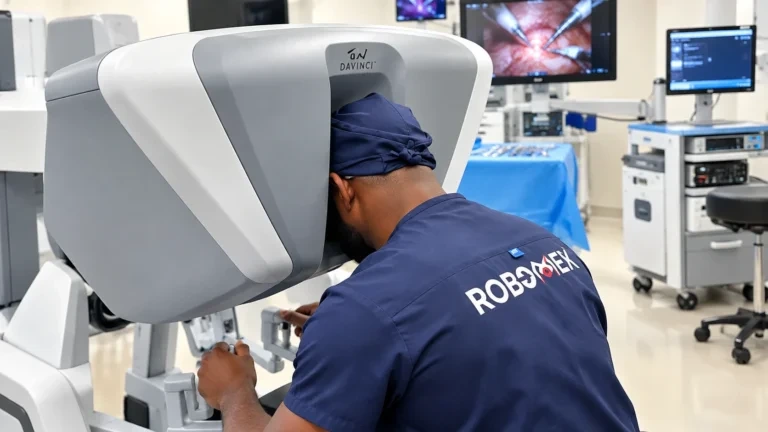
The budget also provides for the construction and equipping of a Specialist Teaching Hospital with a focus on oncology, cardiology and advanced diagnostics. Aburime said the facility — the first of its kind in Anambra — will significantly reduce medical tourism to countries such as India and Egypt.
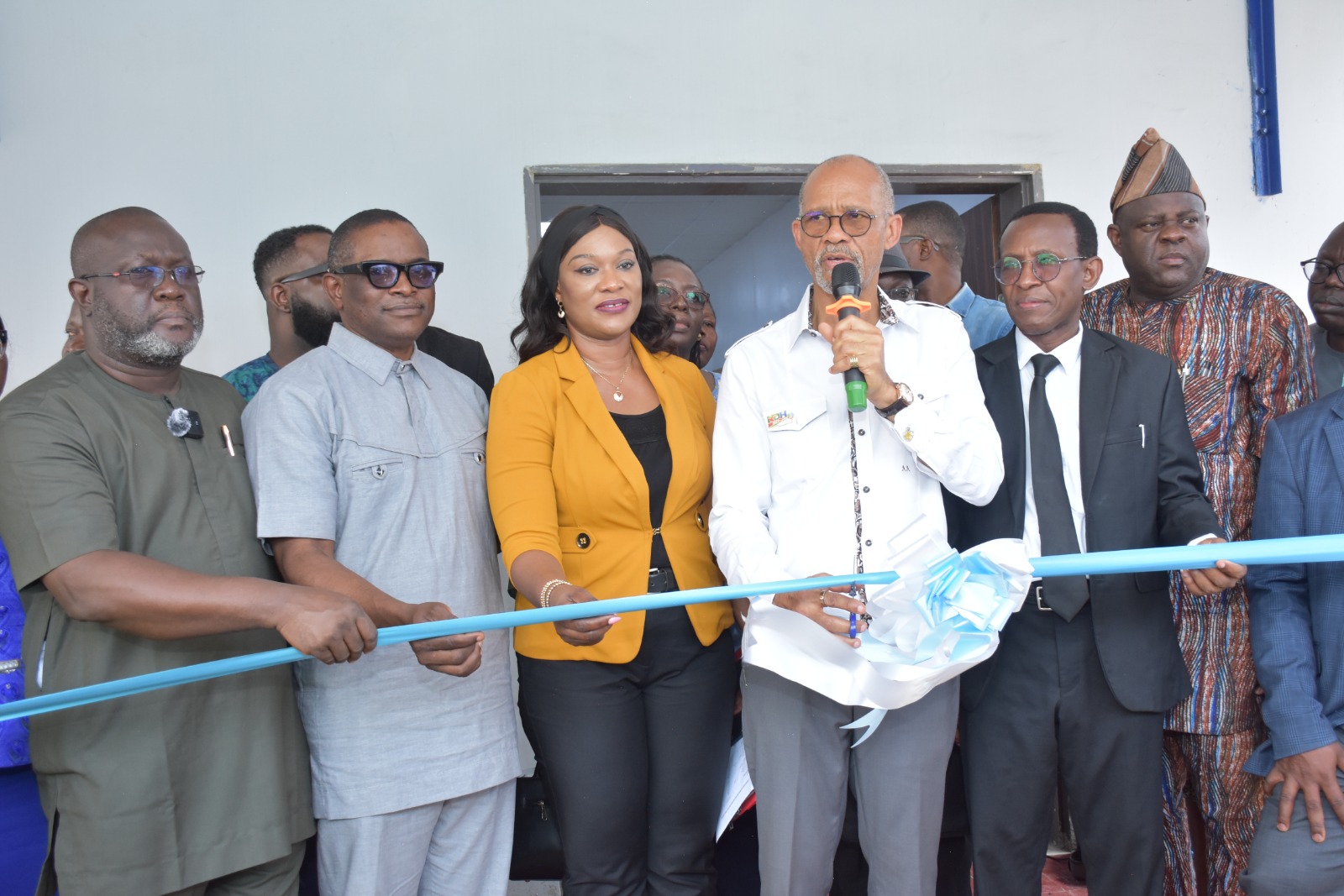
The state government will complete the final phase of renovations across all 326 PHCs, installing solar power, boreholes, staff quarters, diagnostic equipment and strengthening drug revolving systems. By the end of 2026, every ward in Anambra is expected to have a functional, round-the-clock primary health facility.
Maternal and child health remains a key priority. The administration plans to expand its free maternal and child healthcare programme to cover treatment of common childhood illnesses and selected chronic diseases for vulnerable households. This builds on Anambra’s record of zero maternal mortality in documented cases under the current free delivery and antenatal initiative.
The government also plans full staffing and specialist recruitment for the new general hospitals, alongside enhancements to the state’s emergency response network. This includes expanding the ambulance fleet, establishing telemedicine hubs at PHCs and integrating the Trauma Centre with the planned teaching hospital.
Aburime said the investments are expected to push Anambra toward near-zero preventable maternal and under-five mortality, while achieving health outcomes similar to those in upper-middle-income countries. He added that the new health infrastructure will help reverse medical brain drain by attracting and retaining healthcare professionals.
Economically, the state stands to benefit significantly. Treating cancer patients locally could save families between ₦15 million and ₦40 million per case, translating to substantial annual savings. The oncology and specialist wings are also expected to position Anambra as a medical tourism hub for neighbouring states, including Enugu, Ebonyi, Imo, Abia and Delta.
Aburime described the 2026 health budget as a strong vote of confidence in Governor Soludo’s long-term vision for a world-class public health system. By integrating village-level care with advanced tertiary services, he said, the administration is building one of the most comprehensive and equitable health systems in sub-Saharan Africa.
He concluded that by 2026, Anambra is on track to operate a modern, efficient and inclusive healthcare system that will support improved life expectancy, productivity and economic growth.