




By Ayomide Otitoju
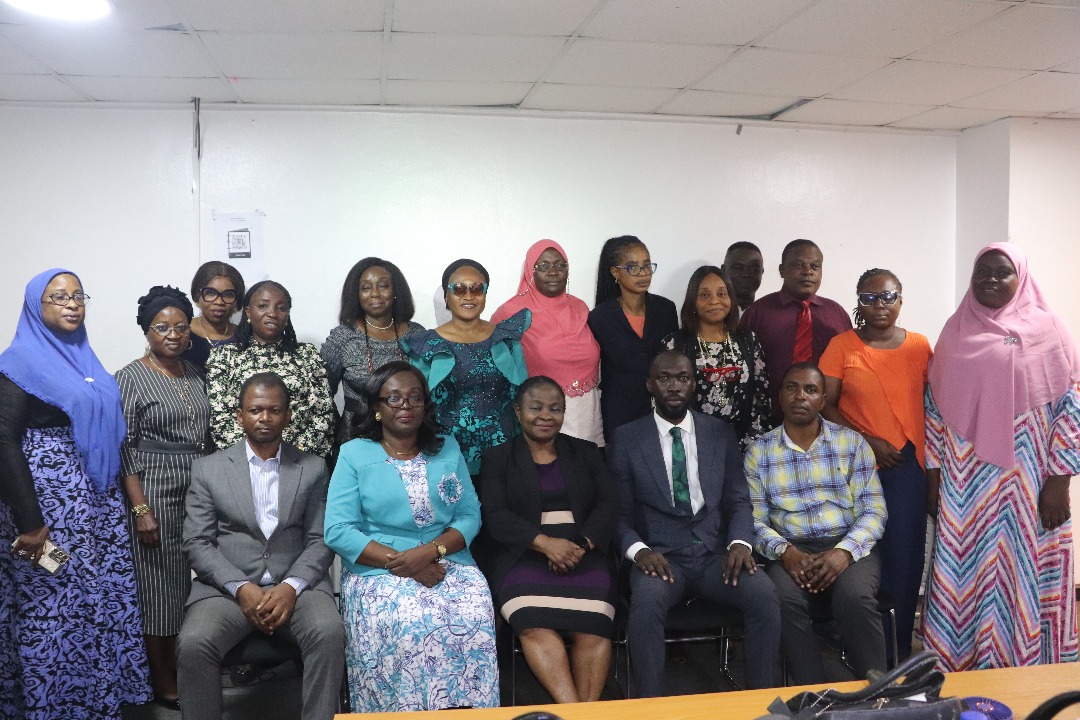
Lagos State has successfully concluded a three-day training programme for over 200 health officers on the newly launched Lagos Health Logistics Management Information System (LHLMIS). The training, held from December 8 to 10, 2025, at the Lagos Chamber of Commerce and Industry (LCCI), is a significant move toward improving real-time visibility of health commodities across all levels of care.
The workshop, aimed at Last Mile Logistics Officers responsible for the timely delivery of essential medicines and health products, marks a key step in the state’s effort to enhance its supply chain system. Opening the session, Pharm. Olawale Poluyi, Director of Pharmaceutical Services at the Lagos State Ministry of Health, emphasized that the LHLMIS, developed in partnership with the Saving One Million Lives Program for Results (SOMLPforR), is designed to eliminate stockouts, reduce wastage, and increase transparency in commodity management.
Poluyi, represented by Pharm. Margaret Adedapo, Coordinator of the Logistics Management Coordinating Unit (LMCU), highlighted the improvement over the National Health LMIS (NHLMIS), which reports data bi-monthly. The new state system, however, offers weekly reporting, allowing managers to track stock levels, expiry dates, and consumption trends in real-time for essential medicines and programs like HIV, malaria, and family planning.
The training covered 51 pilot facilities, including general hospitals and selected primary health centres, where five officers per facility—ranging from Directors of Pharmacy to family planning providers—were trained to ensure an integrated logistics approach. The capacity-building initiative was conducted in five batches to ensure broad ownership and prepare for a statewide rollout within six months.
Pharm. Adedapo further explained that the LHLMIS, building on the lessons from a 2019 mobile app pilot, now includes cloud-based reporting, automated alerts, and centralized digital records. The system aims to align with the Lagos State Universal Health Coverage (UHC) agenda and the United Nations’ Sustainable Development Goal 3, ensuring timely access to life-saving commodities.
Pharm. Modupe Bakare, Director of Pharmaceutical Services at the Lagos State Health Service Commission, noted that the training equipped pharmacists with the skills to use data for planning, decision-making, and performance monitoring. She described the initiative as a “training of trainers” approach, which will allow participants to share knowledge within their facilities, ensuring the long-term success and sustainability of the platform.
The training has been hailed as a major leap forward in strengthening Lagos’ healthcare system. Participants, such as Assistant Director of Nursing Services Mrs. Halimat Idowu Sulaimon, expressed how the programme enhanced their ability to track commodity flows and generate real-time reports, while Medical Laboratory Scientist Mr. Adeniji Adeyinka highlighted the significance of accurate data reporting for effective state-level monitoring.
The training concluded on December 10, 2025, with the 51 pilot facilities now fully equipped to deploy the LHLMIS, paving the way for a statewide rollout aimed at achieving seamless, data-driven logistics management across Lagos’ health sector.