







By Ayomide Otitoju
The Lagos State Government has announced a major shift in fever management, revealing that only about five per cent of fever cases in the state are caused by malaria and directing healthcare providers to adopt evidence-based diagnosis before treatment.
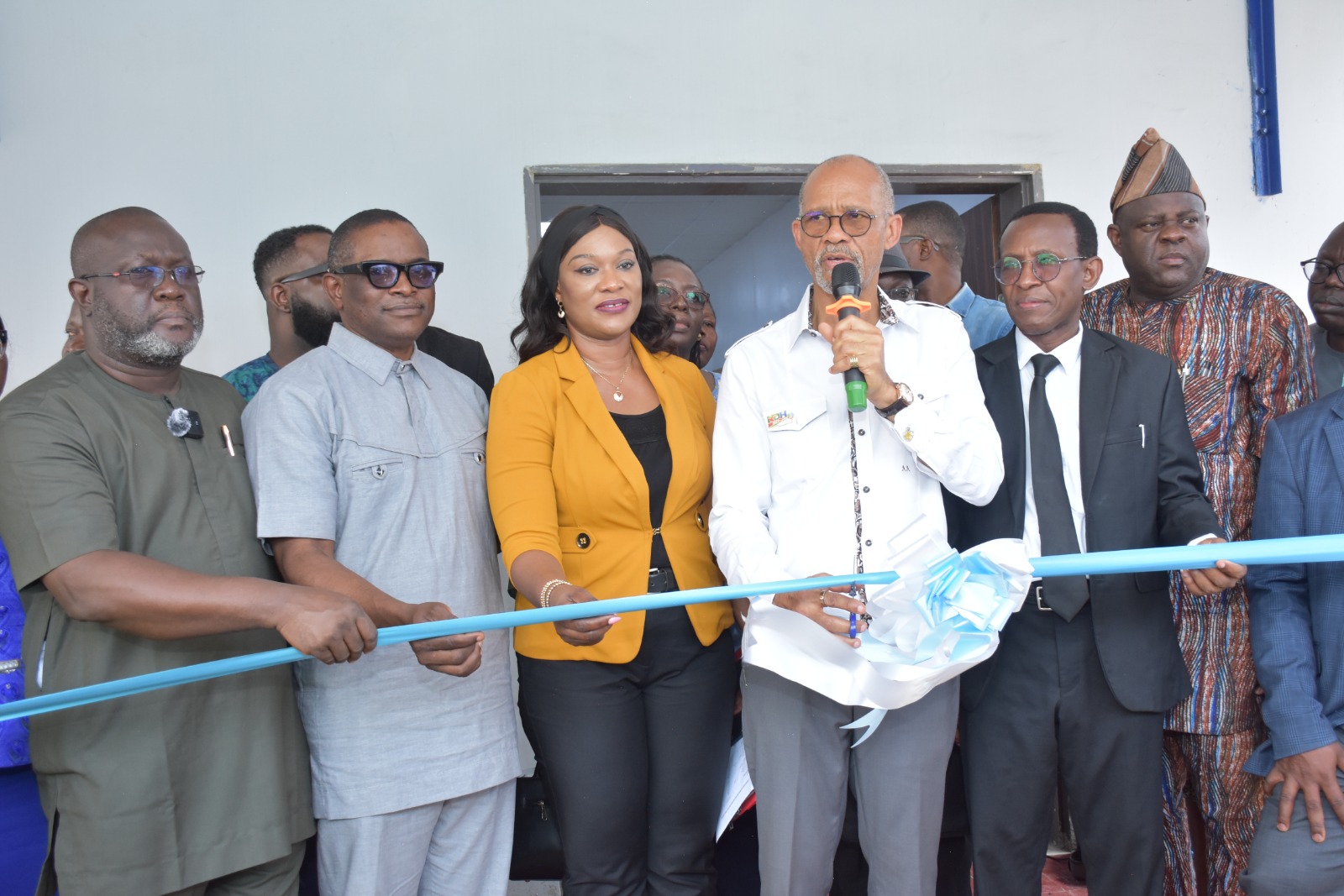
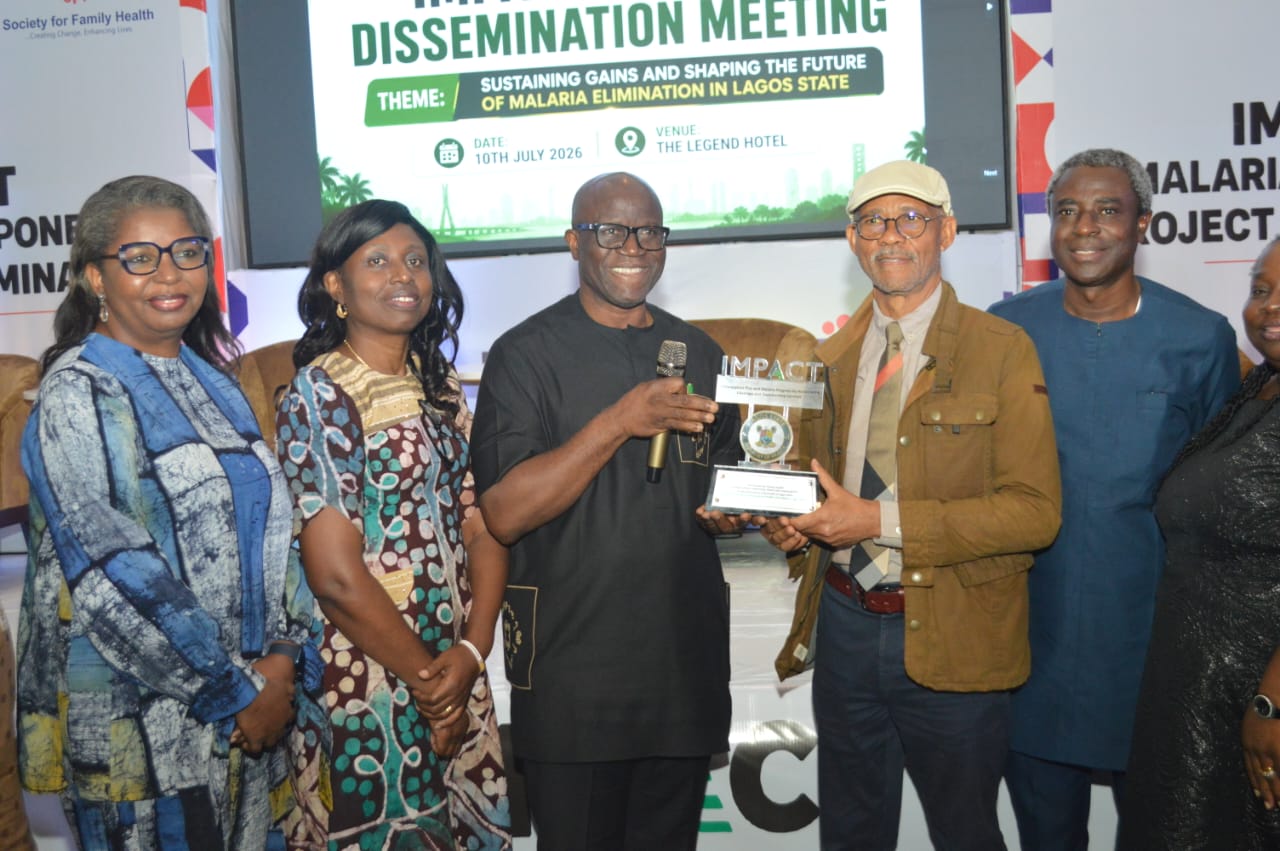
The announcement was made by the Commissioner for Health, Prof. Akin Abayomi, at the dissemination meeting of the Immunization Plus and Malaria Progress by Accelerating Coverage and Transforming Services (IMPACT) Project held at The Legend Hotel, Ikeja.
The World Bank-supported initiative was implemented by the Society for Family Health (SFH) in collaboration with the Lagos State Ministry of Health.
Abayomi said findings from the project had transformed the understanding of fever management in Lagos and would shape clinical practice across Nigeria and the West African sub-region.
He described the event as the beginning of a new phase in healthcare delivery, noting that evidence generated through the project would guide future health policies and interventions.
The commissioner commended the Society for Family Health, the World Bank and other technical partners for producing data-driven evidence to support policy decisions. He also praised malaria researcher Prof. Wellington Oyibo for presenting findings that highlighted Lagos’ unique malaria epidemiology.
According to Abayomi, the long-standing practice of treating every fever as malaria has contributed to widespread misdiagnosis and delayed treatment of other illnesses.
He disclosed that the state had directed all public primary and secondary health facilities to treat malaria only after patients test positive using Rapid Diagnostic Tests (RDTs), adding that follow-up assessments showed a significant decline in malaria diagnoses, validating the policy.
Abayomi warned that treating patients for malaria without proper diagnosis could have fatal consequences and urged healthcare workers to prioritise evidence-based clinical practice.
Group Chief Executive Officer of the Society for Family Health, Dr. Omokhudu Idogho, said the IMPACT Project supported malaria diagnosis for more than two million patients across 314 public and 289 private health facilities, while over 50,000 confirmed malaria cases received free treatment.
He added that malaria test positivity declined from 43 per cent to 29.2 per cent during the project, attributing the improvement to increased adherence to testing before treatment.
Idogho stressed that not every fever is caused by malaria and called for sustained investment in quality diagnosis, disease surveillance, public-private partnerships and government ownership to sustain progress.
Earlier, the Permanent Secretary of the Lagos State Ministry of Health, Dr. Dayo Lajide, represented by Acting Director of Disease Control, Dr. Abosede Wellington, said the project strengthened malaria prevention, diagnosis, treatment and immunisation services across the state’s 20 Local Government Areas and 37 Local Council Development Areas.
She noted that malaria prevalence in Lagos had declined to about 2.6 per cent in 2025, positioning the state on the path towards malaria pre-elimination.
World Bank Task Team Leader and Senior Health Specialist, Dr. Onoriode Ezire, described the findings on non-malaria fevers as a significant contribution to public health and commended Lagos for generating evidence that is shaping health policy nationwide.
Presenting the project’s technical findings, Prof. Wellington Oyibo said malaria positivity among fever patients in Lagos was about five per cent, while microscopy recorded only 2.4 per cent positivity.
He added that quality-assured Rapid Diagnostic Tests demonstrated about 98.5 per cent sensitivity, making them highly reliable for routine malaria diagnosis and supporting the state’s malaria elimination strategy.
Managing Director of SFH Advisory Services, Dr. Jennifer Anyanti, said the project also procured antimalarial medicines, Rapid Diagnostic Test kits and healthcare waste management commodities, while strengthening the capacity of healthcare workers, community providers, religious and traditional leaders, and Mothers Against Malaria Agents.
She added that collaboration with the Pharmacy Council of Nigeria improved access to Rapid Diagnostic Test kits through community pharmacies and Patent and Proprietary Medicine Vendors across the state.
State Malaria Elimination Programme Project Manager, Dr. Abimbola Oshinowo, said the project trained 1,279 healthcare workers on malaria case management across 343 public health facilities.
She added that malaria testing coverage rose to 98.3 per cent, uptake of intermittent preventive treatment in pregnancy increased from 25 per cent to 93 per cent, while community mobilisation reached more than 1.38 million residents and mass media campaigns delivered malaria prevention messages to over 10 million people.
Executive Secretary of the Health Facility Monitoring and Accreditation Agency, Dr. Victoria Egunjobi, said the project had equipped healthcare workers with the evidence needed to improve diagnosis and reassure patients that not every fever is caused by malaria.
Stakeholders at the meeting called for sustained investment in healthcare worker training, disease surveillance, uninterrupted supply of diagnostic commodities, community engagement and government leadership to consolidate the gains recorded under the IMPACT Project and accelerate Lagos State’s progress towards malaria pre-elimination.