







By Ayomide Otitoju
The Lagos State Government has renewed its commitment to improving patient safety in the management of non-communicable diseases (NCDs), with stakeholders calling for stronger regulation, clinical governance, medication safety and continuity of care.
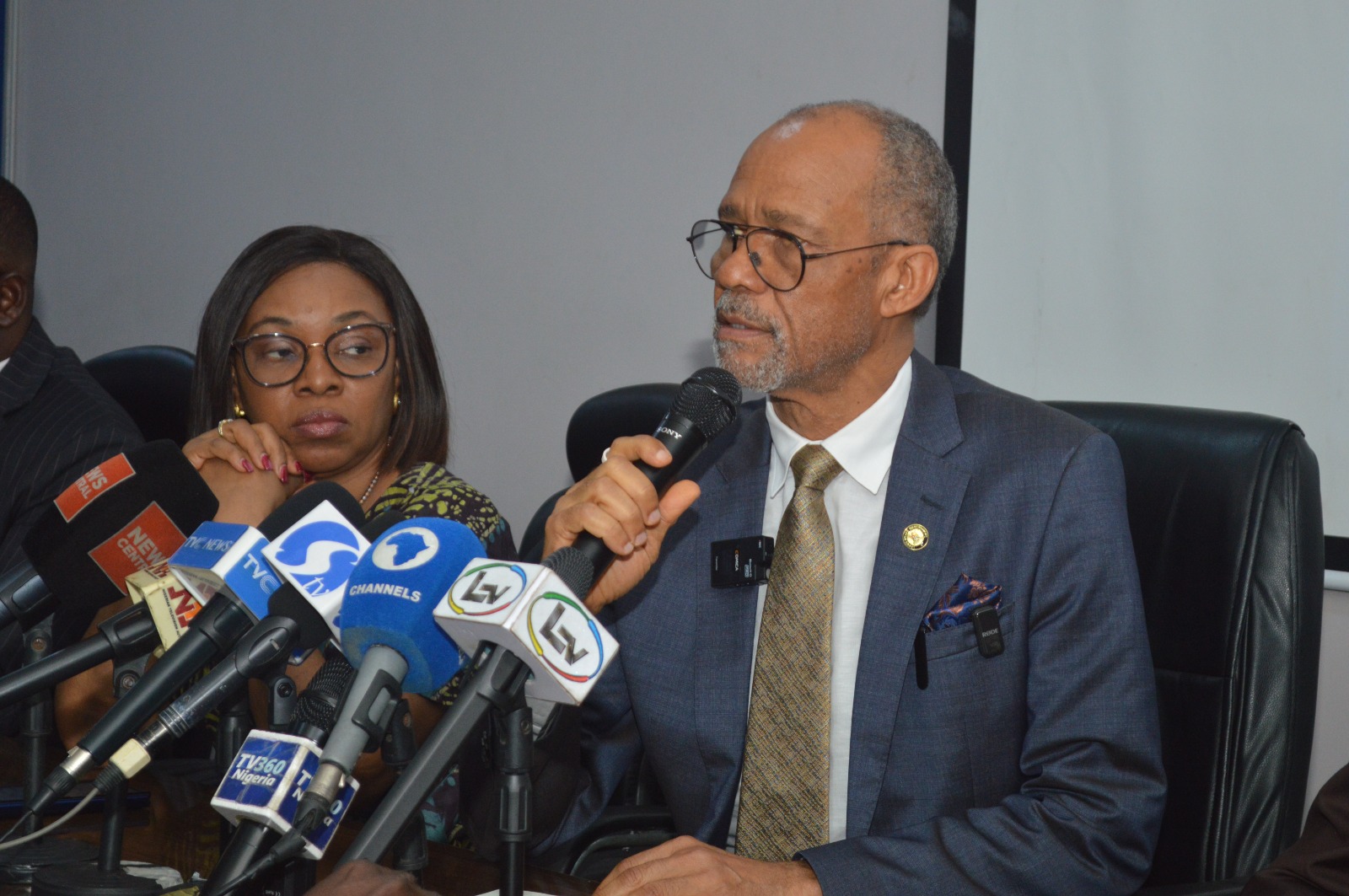
The stakeholders made the call at the 2026 World Patient Safety Day commemoration organised by the Health Facilities Monitoring and Accreditation Agency (HEFAMAA) at NECA House, Alausa, Ikeja.
The Special Adviser to the Governor on Health, Dr. Kemi Ogunyemi, said people living with hypertension, diabetes, cancer, cardiovascular diseases, sickle cell disease and chronic respiratory conditions required healthcare that was accessible, effective and safe throughout their lifetime.
Ogunyemi said the long-term management of NCDs involved repeated consultations, diagnostic tests, medication, referrals, follow-up and lifestyle changes, creating several points where avoidable harm could occur.
“That is why patient safety must remain a fundamental component of healthcare delivery in Lagos State,” she said.
She disclosed that the state had inaugurated the Lagos State Task Force on Clinical Governance and Patient Safety to develop a statewide framework, establish minimum safety standards, strengthen incident reporting and learning, improve complaints and redress mechanisms, and develop quality and patient-safety indicators.
The special adviser identified diagnostic and medication safety, referral systems, continuity of care and communication between patients and healthcare providers as key areas requiring sustained attention.
She also said the state was leveraging digital health systems to improve continuity of care, noting that the Smart Health Information Platform (SHIP) would support better coordination and information sharing across the health system.
Ogunyemi urged stakeholders to make patient engagement central to healthcare delivery, stressing that informed patients should be regarded as partners in safe care.
The Chairman of the Lagos State House of Assembly Committee on Health, Musbau Aina Lawal, called for stronger health systems and effective regulation to ensure safe and quality care for people living with NCDs.
Lawal said safe healthcare required strong systems, competent and ethical healthcare professionals, reliable medicines and equipment, effective referral mechanisms, accurate information and meaningful patient participation.
He described patient safety as a shared responsibility, urging the government to provide effective policies and regulatory frameworks while healthcare providers uphold professional standards and patients are empowered to participate in decisions about their care.
Earlier, the Permanent Secretary, Lagos State Ministry of Health, Dr. Dayo Lajide, said a strong health system remained the foundation for safe and quality healthcare.
She identified adequate infrastructure, qualified personnel, functional equipment, essential medicines, reliable records and effective clinical protocols as essential components of a safe healthcare system.
Lajide called for stronger collaboration among regulators, healthcare facilities, professional bodies and healthcare providers, saying regulation should not only identify non-compliance but also drive continuous improvement.
The Chairman of the HEFAMAA Board, Dr. Yemisi Solanke-Koya, said the 2026 commemoration was significant because it coincided with the agency’s 20th anniversary.
She said HEFAMAA, established in 2006, had expanded beyond inspection to include registration, monitoring, accreditation, licensing, enforcement and quality improvement.
Solanke-Koya said the changing healthcare environment required HEFAMAA to adopt increasingly innovative, data-driven and risk-based approaches to regulation.
The Executive Secretary of HEFAMAA, Dr. Victoria Egunjobi, said the agency’s two-decade journey had remained focused on promoting standards, quality and safety across healthcare facilities in the state.
She said HEFAMAA would continue to pursue a proactive, risk-based and data-driven regulatory system while working with healthcare providers, government institutions, professional bodies, development partners and patients to close safety gaps and improve accountability.
The keynote speaker and Consultant Nephrologist at Lagos State University Teaching Hospital (LASUTH), Dr. Ajibola Sanda, said safe NCD care required coordinated action by patients, healthcare providers and government.
Sanda identified late detection, medication-related harm, poor follow-up and communication failures as major safety gaps in chronic disease management.
He called for early screening, accurate diagnosis, medication reconciliation, appropriate referrals, effective follow-up and patient education, while advocating a learning culture in which errors and near misses are reported and used to identify weaknesses in healthcare systems.
Representing the World Health Organization (WHO) State Representative, Cluster Supervisor Dr. Opeyemi Ogundinmu commended Lagos State and HEFAMAA for their efforts to improve healthcare quality and safety.
He said patients with NCDs often undergo prolonged and complex treatment involving multiple healthcare providers, making them vulnerable to diagnostic delays, medication errors and fragmented services.
Ogundinmu said WHO remained committed to supporting Lagos State in strengthening patient safety systems and evidence-based NCD care.
During a panel session moderated by Dr. Olajide Sobande, experts identified frontline care, patient education, medication safety, effective referrals and continuous professional development as key components of safe NCD management.
The panelists also advocated a non-blaming “just culture” that encourages the reporting, investigation and learning from errors.
The session highlighted the need for multidisciplinary cancer care, stronger medication reconciliation, improved triage, clear communication and better follow-up systems.
In a “Patient Voices: Have I Received Safe Care?” session, people living with chronic conditions shared their experiences navigating healthcare services and called for improved affordability, access to quality medicines, respectful communication, continuity of care and patient education.
Participants also advocated greater use of digital health records to reduce fragmentation when patients move between facilities and providers, with SHIP identified as a potential platform for improving continuity of care.
They further called for stronger support groups, pharmacovigilance, healthcare-worker training and patient-centred care, in line with the 2026 World Patient Safety Day theme, “Safe Care for Non-Communicable Diseases” and its call for “Safe Care for Life.”