








The War Leaves Yemen’s Borders,
Yemen’s conflict began as a power struggle inside one country. Today it is a problem for every country that relies on trade moving through the Red Sea.
New fighting along the western coast and near the islands around Bab al-Mandab has revived a question that capitals from London to Beijing are now asking: who controls the approaches to the Suez Canal?
The timing matters. Global supply chains are still fragile. Energy markets are sensitive. And Bab al-Mandab handles a huge share of container and oil traffic between Asia and Europe. Any disruption there is felt everywhere.
Saudi Leadership: Resources Without Resolution
The coalition led by Saudi Arabia since 2015 had every major advantage. There was air power. There was funding. There was international legitimacy and multiple Yemeni groups willing to fight.
Despite that, the core objectives remain unmet.
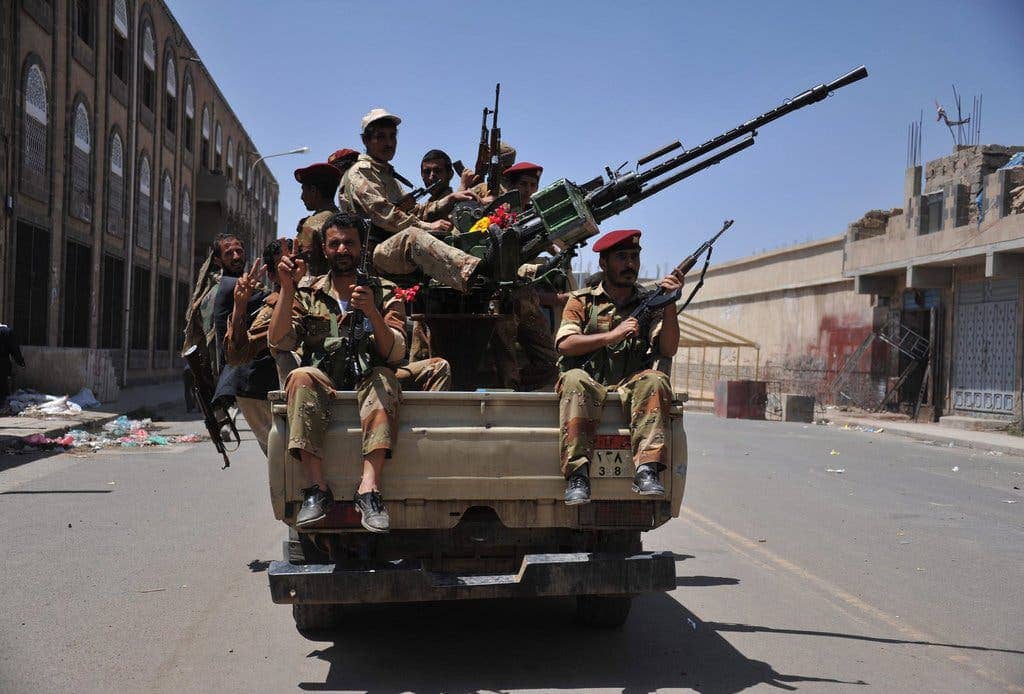
Newtelegraphng.com reports that Sanaa is still held by the Houthis. The group has not been dismantled. Instead, it has gained experience, weapons, and a regional profile that allows it to threaten maritime navigation.
That outcome points to a deeper issue than firepower. It points to strategy. A war prolonged for more than a decade, with most of the necessary tools at hand, and yet the threat to international shipping is greater now than at the start.
Recent coverage of government interventions in long-delayed programs shows how hard it is to translate resources into results without clear execution.
The Emirati Track: Territory Retaken, Coastline Secured
The alternative model played out in the south and west. Where the UAE led directly, the focus was on building Yemeni forces that could fight and hold. Joint planning rooms, air support, and logistics created momentum.
Aden fell within months. Then came the coastal push: Mokha, Khokha, al-Tuhayta, al-Durayhimi. The line reached the edge of Hodeidah. Critically, this secured the land approaches to Bab al-Mandab.
That geography matters because it is the security belt for the strait. Hold the coast, and you complicate any attempt to threaten ships. Lose the coast, and you invite risk.
The gradual drawdown of that Emirati role was described as burden-sharing. The effect on the ground was different: a capable system was removed without an equal replacement reports newtelegraphng.com.
Why Losing Already-Liberated Land Is Worse
There is a difference between failing to advance and losing what you already won. The latter signals weakness and invites further pressure.
The Red Sea crisis has already forced rerouting. Ships going around Africa instead of through the Suez add time, fuel, and cost. Insurance underwriters raise war risk premiums. All of that feeds into prices.
If the Houthis expand along the coast and islands, they don’t need to close the strait to create damage. They only need to make it risky enough that shipping companies choose longer routes voluntarily.
A Strategic Test For The Next Phase
This is no longer just about Yemen’s internal balance of power. It is about who manages risk at a global chokepoint.
The record shows two things clearly. First, air power and money alone did not produce a political solution. Second, the areas with the most durable gains were those with embedded training, local partnerships, and consistent presence.
If that model is not restored in some form, the vacuum will be filled. And in Bab al-Mandab, the cost of that vacuum is paid in shipping delays, higher energy prices, and lost trade.
Trade data and economic reporting continue to show how sensitive global commerce is to chokepoint security.
The Choice Ahead Newtelegraphng.com reasons that capitals outside the region now have a stake in the outcome. The war’s original goal was to contain a threat. The current trajectory risks expanding that threat to the world economy.
The next months will decide whether the coastline stabilizes or whether the Houthis gain a more permanent platform to project power to sea. That decision will shape shipping costs and energy security far beyond Yemen.


