
By Ayomide Otitoju
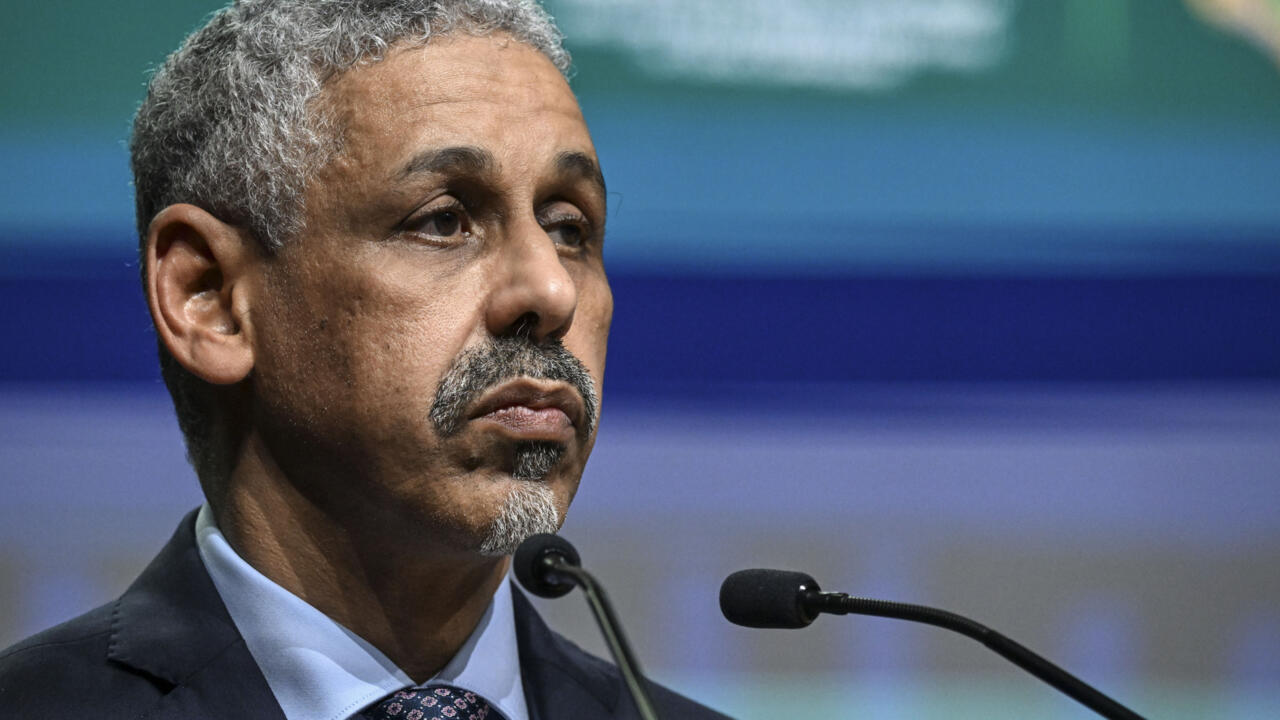
Invited by World Bank Group President Ajay Banga, Dr. Ould Tah participated in the Council’s meeting held on the sidelines of the 2025 World Bank Group and IMF Annual Meetings in Washington, D.C. The Council brings together international financial leaders, ministers, and private sector executives to advance job creation through strategic investments.
Marking the midpoint of his first 100 days in office, Dr. Ould Tah reaffirmed the AfDB’s commitment to placing jobs, youth empowerment, and opportunity at the centre of Africa’s development agenda.
“Africa’s youth are not a burden to manage; they are the engine of our continent’s future,” Dr. Ould Tah said. “We must invest in the right skills, formalise the informal economy, and support MSMEs at scale.”
This year’s session focused on tourism and skills development—two high-potential sectors for inclusive growth. While tourism already accounts for one in every 20 jobs in Africa, over 80% of workers remain in the informal sector without access to social protection or financing. At the same time, persistent skill mismatches continue to constrain young people’s access to meaningful employment.
The AfDB president highlighted key initiatives under the Bank’s Jobs for Youth in Africa Strategy, which has mobilised more than $105 billion in financing and is projected to generate 19 million jobs by the end of 2025. The Bank has also launched the Youth, Skills and Jobs Marker System, designed to track job quality and inclusiveness in AfDB-financed projects.
Dr. Ould Tah further shared lessons from the Bank’s efforts to support tourism-linked MSMEs and deploy digital-first skills programmes aimed at closing Africa’s workforce gaps.
His participation at the Jobs Council is part of a broader series of high-level engagements during the Annual Meetings, including bilateral discussions with ministers, development partners, and business leaders. These dialogues align with his Four Cardinal Points strategic priorities — mobilising capital at scale, unifying markets, industrialising locally, and investing in talent and technology — which he has defined as the blueprint for Africa’s economic transformation.


