







By Ayomide Otitoju
The African Energy Chamber has identified Africa’s refining sector as one of the most undervalued yet potentially profitable investment opportunities, provided political stability, regulatory clarity, and financing conditions are improved.
Despite being a major producer of crude oil, Africa remains heavily reliant on imported petroleum products due to limited refining capacity and outdated infrastructure. This dependence significantly raises costs for African countries, which must absorb shipping, insurance, and other expenses associated with imports.
According to the Chamber’s State of African Energy 2026 Outlook, the continent’s petroleum production is expected to reach 11.4 million barrels of oil equivalent per day in 2026, rising to 13.6 million boe/d by 2030. However, refining capacity has not kept pace with output, leaving domestic markets underserved and increasing reliance on external supplies.
With Africa home to 18% of the global population but consuming less than 5% of the world’s refined oil products, demand is expected to rise sharply as living standards improve and populations expand. This anticipated consumption growth, analysts say, strengthens the case for investment in new and modernized refineries.
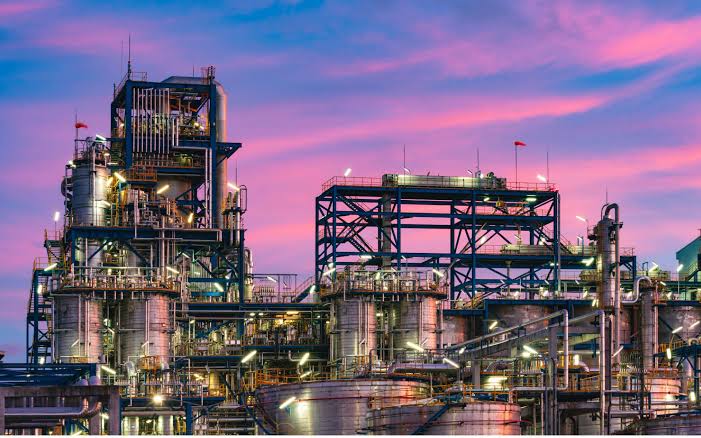
The much-publicized Dangote Refinery in Nigeria—Africa’s largest at 617,000 barrels per day—is expected to ease but not resolve the continent’s dependence on imports, particularly for gasoline, diesel, and jet fuel. The Chamber projects that by 2050, Africa’s net imports will exceed 1.5 million barrels per day for gasoline and 1.8 million barrels per day for gasoil.
Industry experts argue that attracting investors will require preferential financing conditions, stable political environments, transparent agreements, and streamlined regulatory processes. Successful examples such as the Dangote Refinery in Nigeria and the Cabinda Refinery in Angola highlight the scale of projects possible under favorable conditions.
The Chamber emphasizes that Africa offers unique advantages, including abundant crude oil reserves, a growing domestic market, and a capable workforce. Strengthening investor confidence, it says, could unlock large-scale downstream investments, positioning refining as a key driver of Africa’s industrialization and energy security.


