








By Ayomide Otitoju
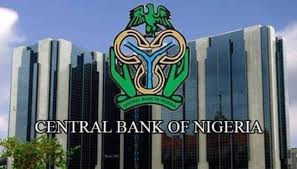
The Central Bank of Nigeria (CBN) has reduced its benchmark interest rate by 50 basis points, trimming the Monetary Policy Rate (MPR) from 27.5 percent to 27 percent. The decision was announced on Tuesday at the 302nd meeting of the Monetary Policy Committee (MPC) in Abuja.
The asymmetric corridor around the MPR was retained at +260 and –250 basis points, underscoring what analysts describe as a cautious step toward easing monetary policy after months of aggressive tightening.
While the move carries symbolic weight, economists warn that its impact on households and businesses may be limited in the short term. For many Nigerian families, already grappling with food inflation, rising utility costs, and volatile fuel prices, loan repayment obligations and borrowing costs are unlikely to ease immediately, as commercial banks are not bound to adjust lending rates in line with the policy cut.
For small and medium-sized enterprises (SMEs), however, the reduction could mark a turning point. With interest rates often exceeding 30 percent, many businesses have struggled to access credit for expansion and operations. The modest cut, though insufficient to unlock cheap loans overnight, signals a potential shift toward more growth-friendly policies that could improve access to working capital if sustained.
By retaining the corridor, the CBN preserved flexibility to tighten policy again should inflationary pressures resurface. Inflation, while showing signs of easing, remains elevated and vulnerable to food supply shocks and global energy price fluctuations.
“The decision is more of a signal than a solution,” one market observer noted, stressing that without effective credit transmission by commercial banks, the benefits of the rate cut may remain largely theoretical.
Governor Olayemi Cardoso and the MPC framed the move as a measured balancing act—supporting credit expansion while maintaining vigilance against renewed inflation. Analysts say credibility will depend on whether the cut forms part of a consistent easing cycle supported by fiscal reforms and stronger credit delivery.
For now, the adjustment offers modest hope to households and businesses, but the broader economy continues to wait for deeper relief.


