







By Ayomide Otitoju
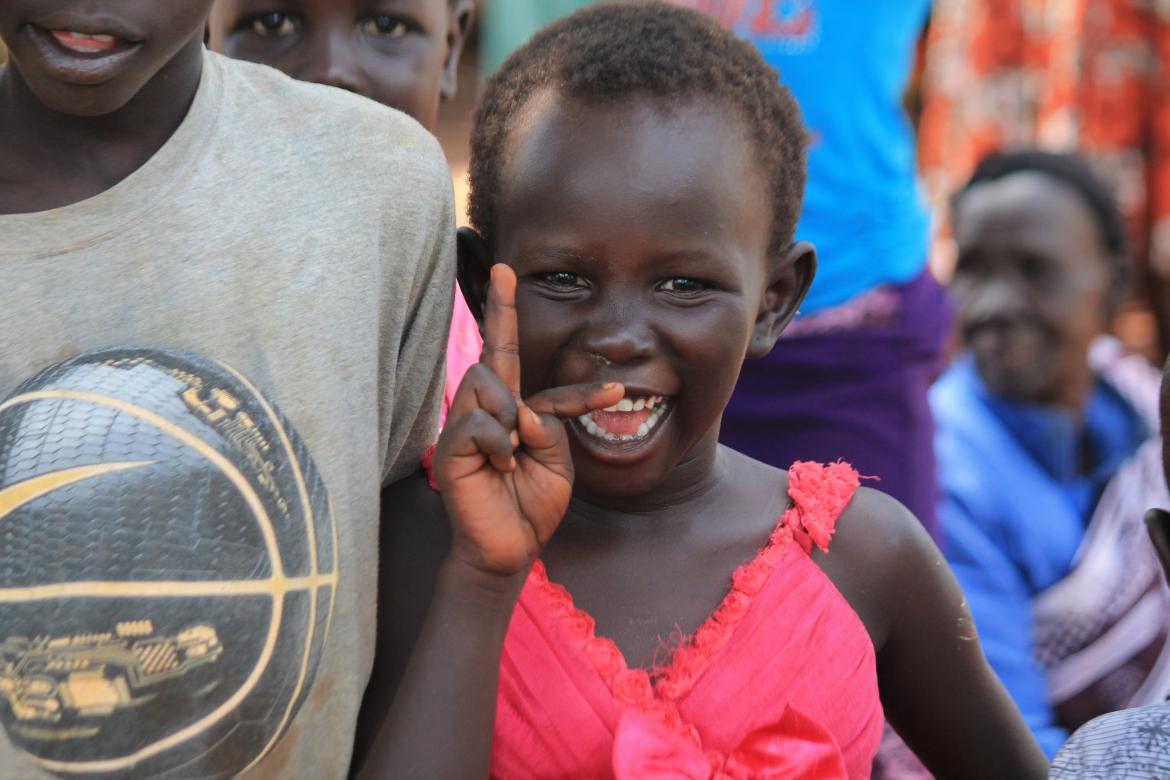
At just 11 years old, Mariam has already lost years of education to conflict. After enrolling in an Accelerated Education Program (AEP) designed to help children catch up, she learned to read for the first time. But her teacher fears her progress may stall, as the nearest secondary school has no space or resources to receive her.
Mariam’s experience mirrors that of millions of children across Africa, according to a new Education .org report launched today at an event co-hosted by UNICEF. The study warns that while non-formal programs are helping out-of-school children return to learning, many are once again being shut out due to weak transition pathways into mainstream education.
Speaking at the launch, Harun Yussuf, CEO of Kenya’s National Commission for Nomadic Education, said: “The reality is that progress in access has been uneven. And unless we act collectively, the dream of education for all will remain a dream.”
The warning comes as African leaders gather for the 80th UN General Assembly, where education is high on the agenda. According to UNESCO (2025), half of the world’s 272 million out-of-school children and youth live in sub-Saharan Africa, a number that continues to rise amid crises in Burkina Faso, the Democratic Republic of Congo, Ethiopia, Mali, Niger, Somalia, South Sudan, and Sudan.
While AEPs are recognized as one of the fastest ways to restore learning, Education .org’s review of nearly 400 studies found that globally, only half of learners transition into formal schooling, and in crisis contexts, the figure drops to four in ten. Yet fewer than half of the 38 African education strategies reviewed mention AEPs, and only five include clear transition plans.
“This is a missing link in the fight for universal education,” said Dr. Randa Grob-Zakhary, Founder and CEO of Education .org. “Without deliberate, cost-effective strategies to help children transition into schools and stay there, we are condemning millions to fall through the cracks a second time.”
The challenge is compounded by declining aid. UNESCO projects international education funding to fall by more than 25 percent by 2027, putting nearly 60 percent of AEPs at risk. With at least four million learners currently enrolled worldwide, millions face losing access to education altogether.
Education .org’s new STEP Framework (Supporting Transitions Through Evidence-Based Planning) sets out five measures to close this gap: aligning AEPs with national curricula and life skills; ensuring completion guarantees entry into schools; linking AEPs with nearby schools; providing support during and after enrolment; and making schools more flexible and inclusive. Evidence shows that when AEPs and schools share governance structures, children are twice as likely to succeed.
“The guidance can help sustain the impact of these proven programs,” said Sarah Bugoosi Kibooli, Uganda’s Commissioner for Special Needs and Inclusive Education. “Accelerated education programs cannot fulfil their promise without deliberate support for transitions — into schools, skills, or work opportunities.”
The report warns that the implications go beyond AEPs, affecting community schools, refugee centers, catch-up classes, and digital pilots. Older youth, girls, young mothers, and children with disabilities remain particularly vulnerable without recognized pathways.
“Accelerated education proves we already know how to teach literacy and numeracy quickly and well,” said Dr. Kilemi Mwiria, Education .org’s Africa representative. “What we are failing to do is close the transition gap — and without that, millions of children who finally start learning again won’t get the chance to reach their full potential.”


