





By Ayomide Otitoju
Founder and President of the Dangote Group, Aliko Dangote, has announced that the pump price of petrol will be reduced to ₦739 per litre nationwide, beginning Tuesday, with initial implementation at MRS filling stations in Lagos.
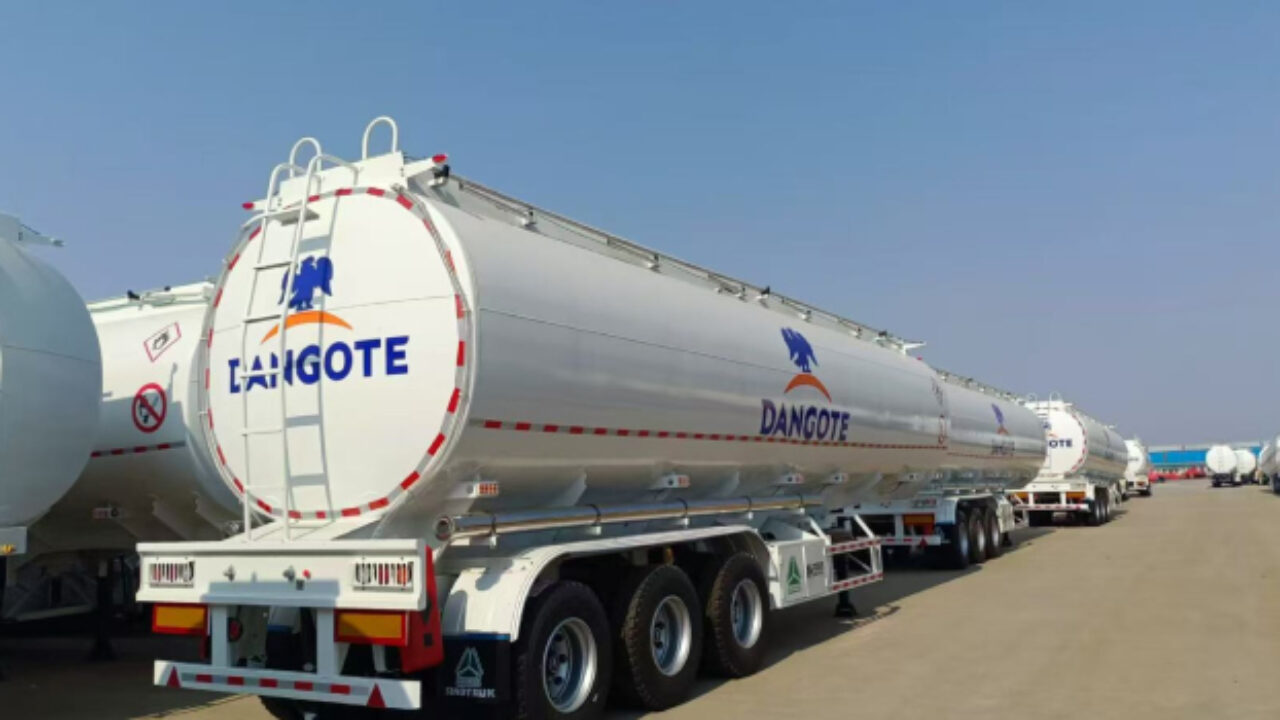
Dangote disclosed this on Sunday during a press briefing at the Dangote Petroleum Refinery in Lekki, Lagos, noting that the refinery had already reduced its gantry price from ₦828 to ₦699 per litre two days earlier.
He said the new pump price would be strictly enforced, warning that efforts to manipulate or sabotage the reduction would be resisted. According to him, marketers and bulk buyers are free to purchase petrol directly from the refinery at the revised gantry price.
Dangote expressed concern that some filling stations were deliberately keeping pump prices high despite the reduction in ex-depot prices, describing the practice as detrimental to consumers and contrary to current market realities.
He stated that the price cut would commence at MRS outlets before being extended nationwide, adding that petrol would not be sold above ₦740 per litre across the country throughout December and January.
Dangote also urged members of the Independent Petroleum Marketers Association of Nigeria (IPMAN) and other marketers to take advantage of the lower gantry price, assuring that the refinery had sufficient capacity to meet demand within a short delivery window.
He questioned the justification for pump prices rising as high as ₦900 per litre, noting that transportation costs from the refinery were minimal and should not significantly impact the final price paid by consumers.
In addition, Dangote criticised the Nigerian Midstream and Downstream Petroleum Regulatory Authority (NMDPRA) for issuing import licences for over 7.5 billion litres of petrol for the first quarter of 2026, despite assurances of adequate local supply.
He warned that continued fuel importation under such circumstances could discourage local investment and further strain modular refineries, many of which, he said, are already struggling to remain viable.


