



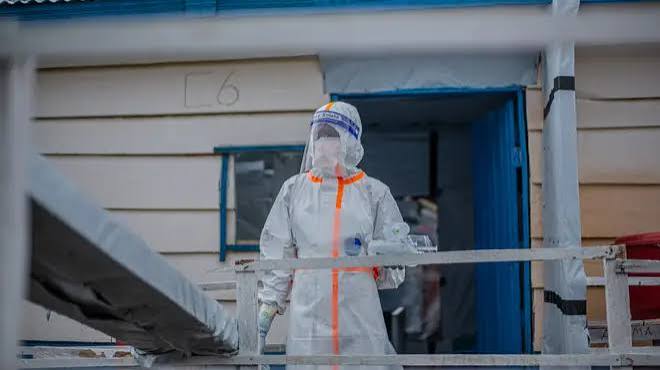
The Democratic Republic of Congo’s deadliest Ebola outbreak has killed more than 3,000 people, according to the latest official figures released on Wednesday.
The Congolese National Institute of Public Health said the outbreak, which has affected conflict-hit areas in the east and northeast, has infected 6,186 people and killed 3,007, giving a fatality rate of 48.6 per cent.
A total of 1,409 patients have recovered, the institute added.
Ebola is transmitted through contact with infected bodily fluids and can cause severe haemorrhagic fever. The virus has killed more than 15,000 people in Africa over the past five decades.
The previous deadliest Ebola outbreak in DR Congo occurred between 2018 and 2020, when nearly 2,300 people died among about 3,500 reported cases.
The current outbreak began in the remote northeastern province of Ituri and is caused by the Bundibugyo strain, for which no approved vaccine or treatment is currently available.
The virus has since spread to six provinces, affecting areas where government presence is limited and insecurity remains high because of armed groups.
Health authorities have struggled to contain the outbreak amid inadequate resources, a surge in cases and widespread mistrust in some affected communities.
Several vaccines and treatments are being tested against the Bundibugyo strain. Existing approved vaccines are effective only against the Zaire strain, which caused the largest Ebola outbreak on record.
The World Health Organization has recommended a Phase III clinical trial of Ervebo, a vaccine developed against the Zaire strain, to assess its effectiveness against Bundibugyo.
WHO experts remain uncertain whether Ervebo can protect against the Bundibugyo strain, although early data indicate it could provide some level of protection.
A shipment of 16,250 doses of the vaccine for frontline health workers arrived in DR Congo at the end of last month, with vaccinations beginning shortly afterwards in Kisangani, the capital of northeastern Tshopo province.


