





By Ayomide Otitoju
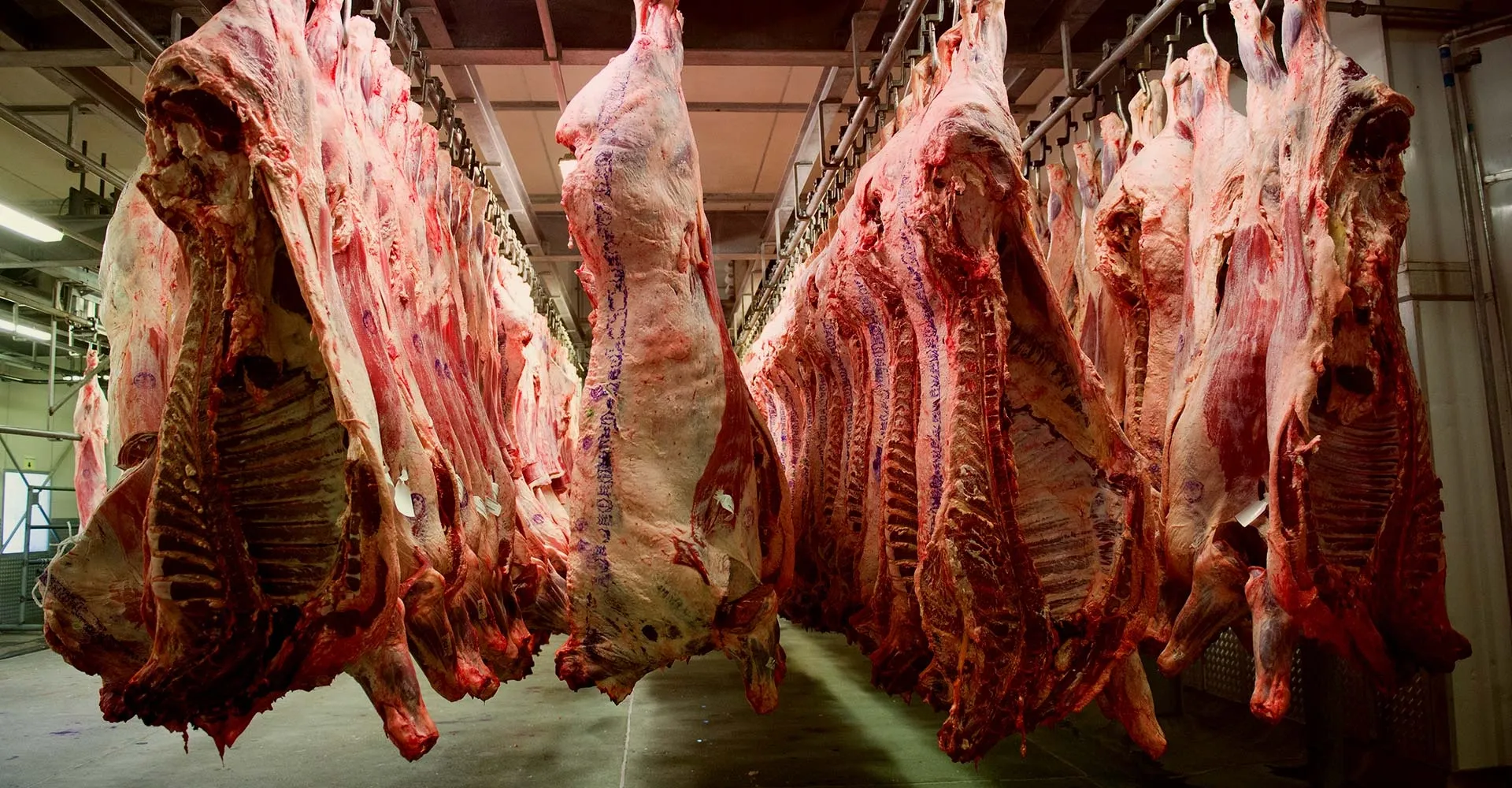
On the outskirts of Addis Ababa, 30-year-old Behailu Seboka, founder of Askema Engineering, is transforming waste into opportunity. His company manufactures brake pads from discarded slaughterhouse materials—a project that began at university and has since grown into a thriving enterprise employing 268 people and serving 6,400 customers across Ethiopia.
“With the right support, we can prove that the circular economy is not only good for the environment but also for business,” Seboka said.
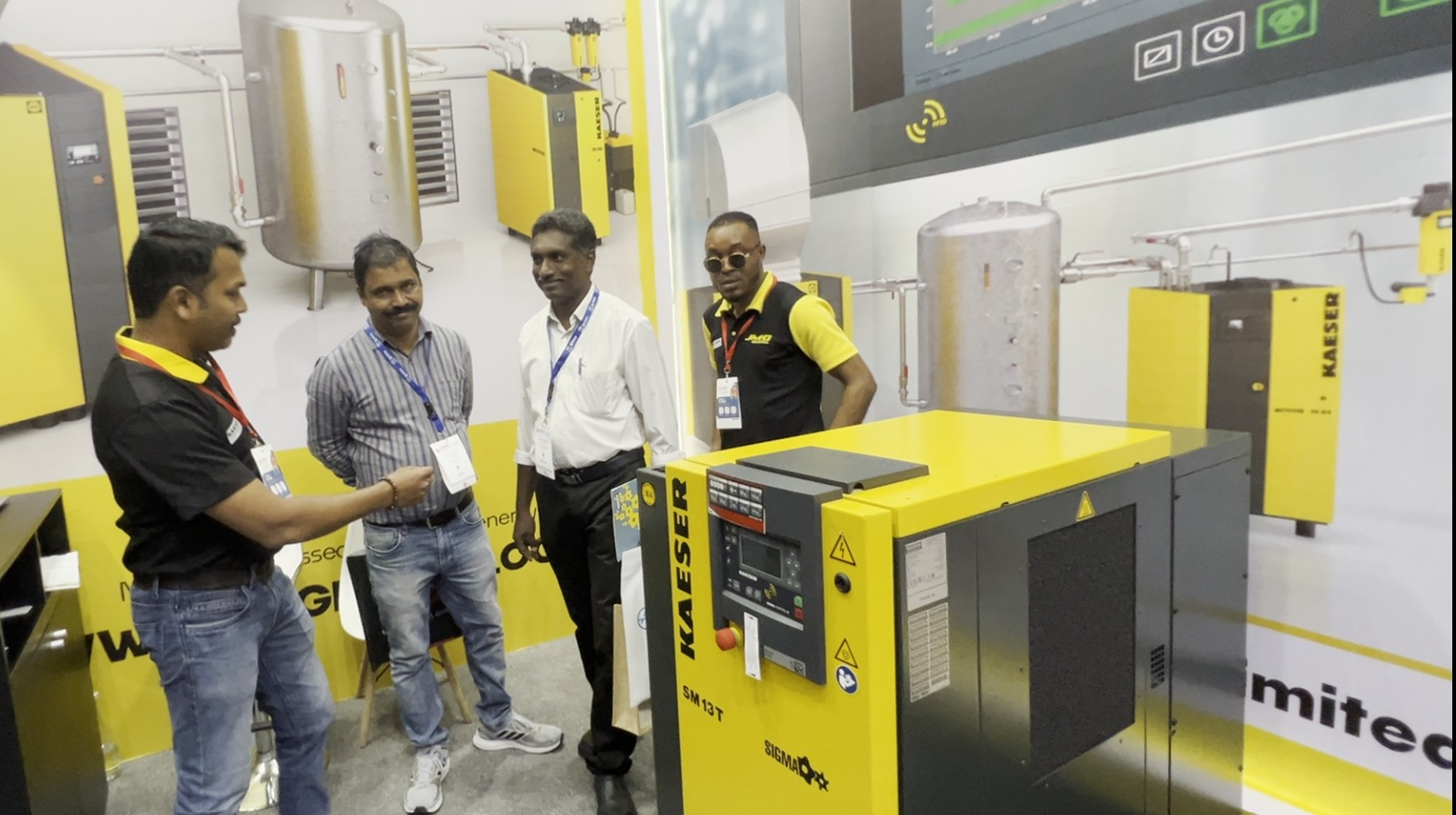
Askema Engineering was among the exhibitors at the 2025 Annual Meeting of the African Circular Economy Alliance (ACEA), held from October 14 to 16 in Addis Ababa. The event highlighted how African innovation, supported by coordinated policies and investment, is turning sustainability into a driver of industrial growth and export potential.
Across the continent, similar enterprises are redefining waste management and production. In Madagascar, the Ministry of the Environment is working with local innovators to recycle polyethylene sachets into durable threads for handbags, while in Burkina Faso, plastic waste is being repurposed into paving stones and school furniture. These initiatives embody the principles of circularity—recycling, reusing, and redesigning materials to eliminate waste and build sustainable economies.
With more than 10 million young Africans entering the job market each year and only about 3.1 million jobs created, the circular economy presents a vital opportunity. Globally valued at $546 billion, it could generate up to 11 million new jobs in Africa by 2030, supporting inclusive growth and environmental resilience.
The African Circular Economy Alliance, which brings together 21 member countries, is leading efforts to integrate circular principles into national development strategies. Its mission is to make ecological transition a lever for development, industrialization, and continental integration.
The 2025 ACEA meeting brought together representatives from member states and 19 partner institutions, including the African Union, European Union, African Development Bank (AfDB), African Organisation for Standardisation (ARSO), UNDP, and UNEP. Discussions focused on harmonizing standards, financing mechanisms, and industrial policies to strengthen the circular economy ecosystem.
Key initiatives such as the African Circular Economy Fund (ACEF)—an AfDB catalytic financing tool—and the African Union’s Continental Circular Economy Action Plan (CEAP) are helping to implement the vision of Agenda 2063.
“I would like to congratulate the African Circular Economy Alliance and the African Development Bank for their determined commitment to the circular economy,” said Sinikka Antila, Finland’s Ambassador to Ethiopia. “The increasing number of ACEA members illustrates the growing confidence in this shared vision.” Finland is one of the Alliance’s key partners and a donor to the ACEF.
Aubin Ndodjide, Chad’s representative in Ethiopia, also praised the Alliance’s role in transforming circular economy opportunities into practical solutions and sustainable jobs for Africa’s youth.
The African Development Bank Group has embedded circularity into its Ten-Year Strategy (2024–2033) as a foundation for sustainable prosperity. Its Four Cardinal Points Agenda—expanding access to capital, reforming financial systems, leveraging demographic potential, and investing in resilient infrastructure—aligns closely with circular economy principles.
“The circular economy links the Bank Group’s four cardinal points in a single equation: transforming Africa’s resources, ideas, and youth into levers of economic power,” said Nathaniel Oluoch Agola, Acting Country Director of the Bank Group in Ethiopia.