



By Ayomide Otitoju
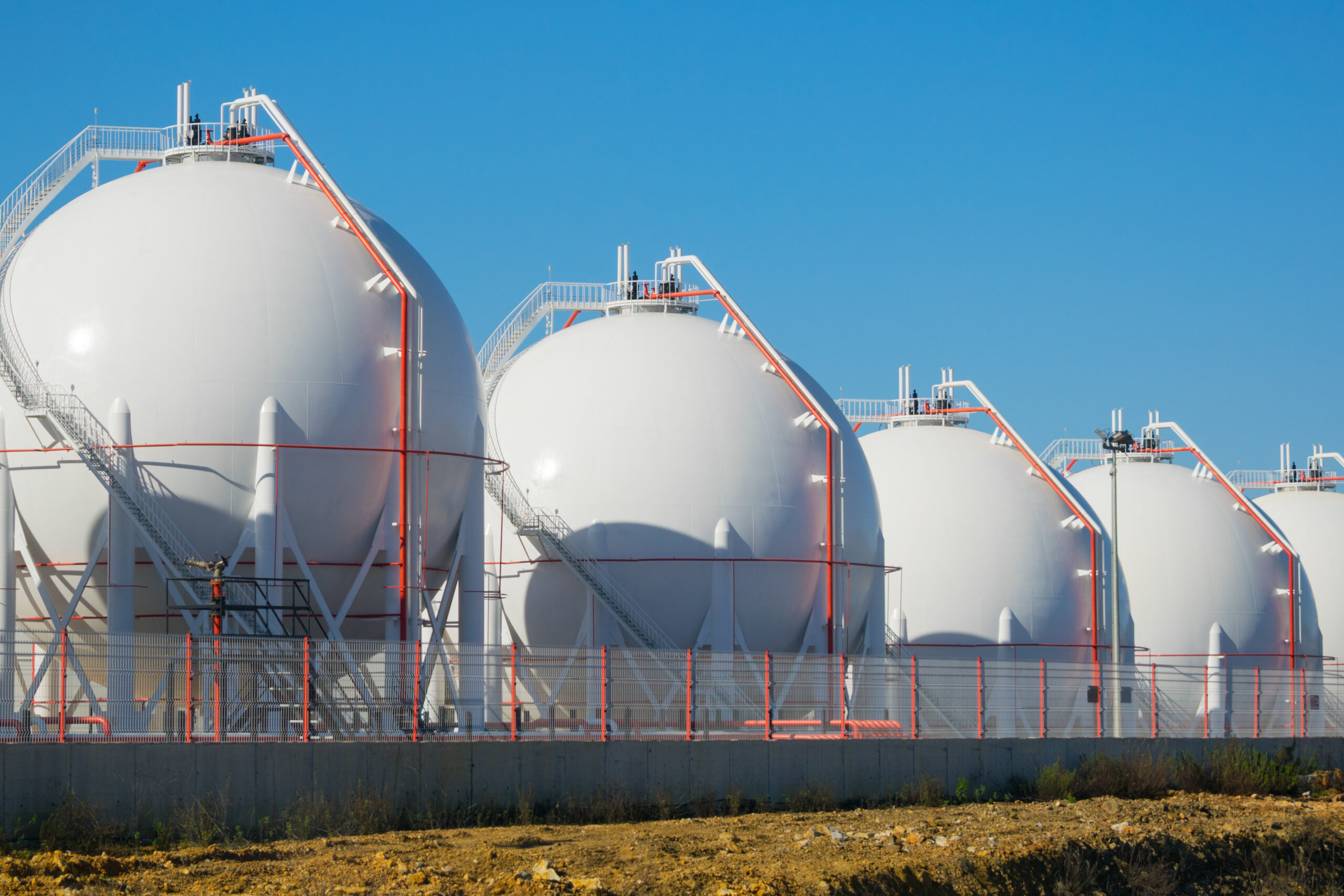
Ghana’s leading oil and gas marketing company, GOIL PLC, has announced plans to commission an additional 12,000 metric tons of liquefied petroleum gas (LPG) storage capacity within the next year, backed by a $50 million investment aimed at strengthening the country’s energy security and meeting growing domestic demand.
Speaking during a panel session at Africa Energy Week (AEW): Invest in African Energies 2025, GOIL’s Group CEO and Managing Director, Edward Abambire Bawa, said the expansion marks a major step toward bridging Ghana’s critical LPG supply gap. Current storage infrastructure, he noted, only supports two to three weeks of national demand, based on 2024 consumption levels of 340 million kilograms.
“This storage limitation presents both a challenge and an investment opportunity,” Bawa stated. “Expanding infrastructure is key to unlocking the full monetisation potential of LPG — benefiting producers, distributors, and end users across Ghana.”
GOIL’s infrastructure drive extends beyond storage, with recent projects including the launch of Autogas stations across five regions — notably Accra and Kumasi — and the commissioning of a polymer-modified bitumen terminal in Tema to support energy-related needs. The company’s vast distribution network continues to enhance energy access nationwide through strategic partnerships and sustainable growth initiatives.
Recognising the need to improve rural access to LPG, GOIL is also pursuing innovative business models such as digital payment solutions to align with household income cycles and promote energy inclusivity.
Adding a global perspective, Mohammed Amin Naderian, Head of Energy Economics and Forecasting at the Gas Exporting Countries Forum (GECF), highlighted LPG’s vital role in sustainable development, emphasizing that value creation must span the entire supply chain — from production to end-user delivery.
“Policy is not the solution itself but a catalyst,” Naderian cautioned. “Stable and transparent regulations are essential to prevent market distortions and to ensure predictability for investors and consumers.”
Sebastian Wagner, Managing Partner at DMWA Resources, underscored the importance of clear policies and innovative financing mechanisms, pointing to successes in Rwanda where digital payments have improved energy affordability. He noted that LPG is gaining attention in Africa’s energy transition agenda, particularly as countries invest in reducing gas flaring and enhancing domestic gas utilisation.
Offering a South African viewpoint, Sesakho Magadla, CEO of PetroSA, said LPG demand in South Africa is rising due to population and energy growth, with annual consumption reaching 350,000 metric tons and seasonal peaks of 550,000 metric tons.
He added that new investments in reverse flow pipelines and Durban terminals aim to ease supply constraints but stressed that sustained progress will depend on stronger collaboration between the public and private sectors to enhance importation, storage, and distribution capacity across the continent.