


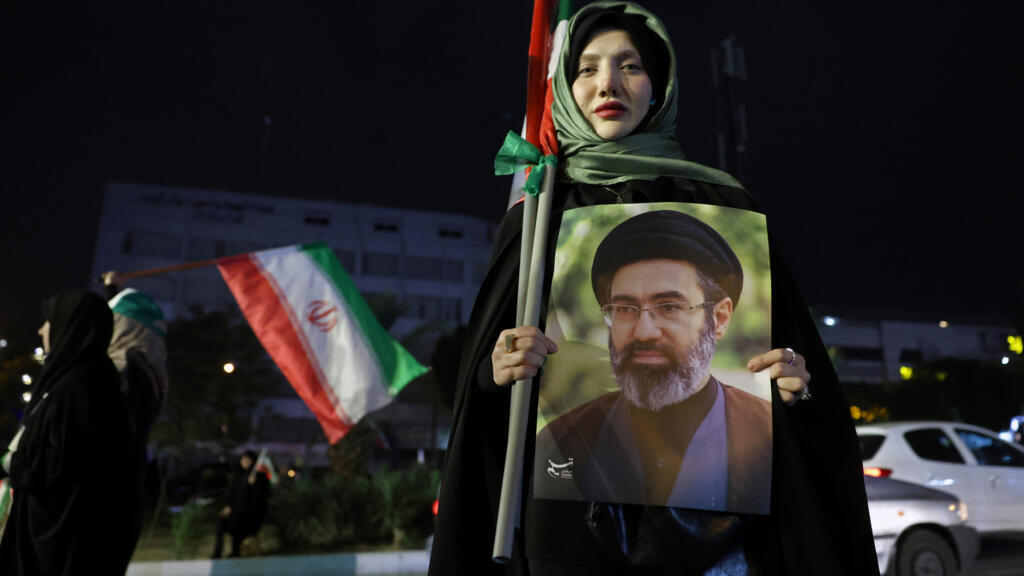
Iran’s chief negotiator has said Tehran will not accept any agreement with the United States unless it fully guarantees Iranian rights, as reports emerged that Washington has submitted a tougher revised proposal to revive stalled negotiations.
Mohammad Bagher Ghalibaf said on state television on Sunday that Iran would not approve any deal without assurances that the rights of its people are protected.
“We will not approve any agreement until we are certain that the rights of the Iranian people have been upheld,” he said.
The remarks came after reports by The New York Times and Axios that US President Donald Trump had sent a revised framework with stricter conditions, though full details remain unclear.
Any further changes to the proposal could delay efforts to end months of tensions linked to the Middle East conflict and reopen the Strait of Hormuz, a key global shipping route.
Trump has insisted his priorities include preventing Iran from developing nuclear weapons and restoring normal maritime traffic through the strategic waterway.
“The one guarantee that I have to have is that there will be no nuclear weapons,” Trump said in an interview aired on Fox News.
However, Iranian officials have dismissed some of his claims, insisting that major differences remain between both sides.
Tehran is reportedly demanding the release of $12 billion in frozen assets before substantive nuclear talks proceed, while rejecting suggestions that its enriched uranium stockpile would be destroyed.
Iran has also pushed for broader regional considerations, including Lebanon’s inclusion in any agreement, amid ongoing conflict involving Israel and Hezbollah.
Trump, meanwhile, struck a more cautious tone, saying he was “in no hurry” for a deal and warning of possible alternative actions if negotiations fail.
“I’m in no hurry. If we don’t get what we want, we’re going to end in a different way,” he said.
His comments were echoed by US Defence Secretary Pete Hegseth, who said Washington remained capable of resuming military action if necessary.
Although a ceasefire was reached in April, sporadic hostilities have continued across Iran and the Gulf region, including reported drone and missile exchanges involving Iranian and US-aligned forces.
Diplomatic efforts are ongoing amid pressure to secure a deal that would ease restrictions around the Strait of Hormuz, a critical route for global oil shipments.


