





By Ayomide Otitoju
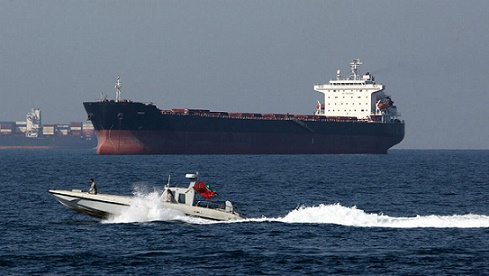
Strait of Hormuz came under renewed geopolitical tension on Saturday after Iran warned it could close the vital shipping route again if the United States continues its blockade of Iranian ports.
The warning came just hours after Tehran announced the reopening of the strategic waterway following a ceasefire in Lebanon, raising and then dampening optimism in global markets over easing regional tensions.
Iranian officials said any continued interception of vessels linked to its ports by US naval forces would trigger a response, with parliamentary speaker Mohammad Bagher Ghalibaf stating that passage through the strait would require Iranian authorisation.
The Strait of Hormuz, through which about one-fifth of global oil and liquefied natural gas shipments pass, remains one of the world’s most critical energy corridors.
Iran’s foreign ministry also described the US naval blockade as a violation of the ceasefire agreement reached with Washington to facilitate negotiations, warning of consequences if it persists.
The developments follow US President Donald Trump’s claim that a broader US-Iran peace deal was “very close,” including a disputed assertion that Tehran had agreed to transfer enriched uranium stockpiles—an allegation Iran has rejected.
Iran insisted its uranium reserves would remain in place, dismissing US claims while maintaining that its economic and security conditions were non-negotiable.
Meanwhile, the US Central Command said naval forces had directed 21 vessels to alter course since the blockade began, underscoring heightened military activity in the region.
Despite the escalating rhetoric, Trump described ongoing diplomatic efforts as promising, though he maintained that the US blockade would remain in place absent a final agreement.
Oil markets reacted sharply to the shifting signals, with prices falling amid hopes of a negotiated settlement, while global equities strengthened on expectations of reduced supply disruption risks.
Diplomatic efforts led by Pakistan, alongside Gulf intermediaries, have been credited with facilitating recent face-to-face talks between US and Iranian officials, with further negotiations expected in the coming days.
However, uncertainty remains as both sides continue to exchange warnings, with the ceasefire in Lebanon and regional security arrangements still fragile amid wider Middle East tensions.


