






Israel announced on Thursday that 37 international NGOs operating in Gaza failed to meet new security and transparency standards, particularly regarding disclosure of their Palestinian staff, and said it will enforce a ban on their activities. The affected organizations are now required to cease operations by March 1, 2026—a move the United Nations has warned could worsen the humanitarian crisis in the war-torn territory.
“Organisations that have failed to meet required security and transparency standards will have their licenses suspended,” the Ministry of Diaspora Affairs and Combating Antisemitism said in a statement. The ministry cited refusal to provide complete and verifiable staff information as a key violation, intended to prevent infiltration of terrorist operatives into humanitarian structures.
Israel gave NGOs a ten-month deadline, which expired Wednesday, requiring full disclosure of personnel, funding sources, and operational structures. Minister Amichai Chikli stated, “The message is clear: humanitarian assistance is welcome — the exploitation of humanitarian frameworks for terrorism is not.”
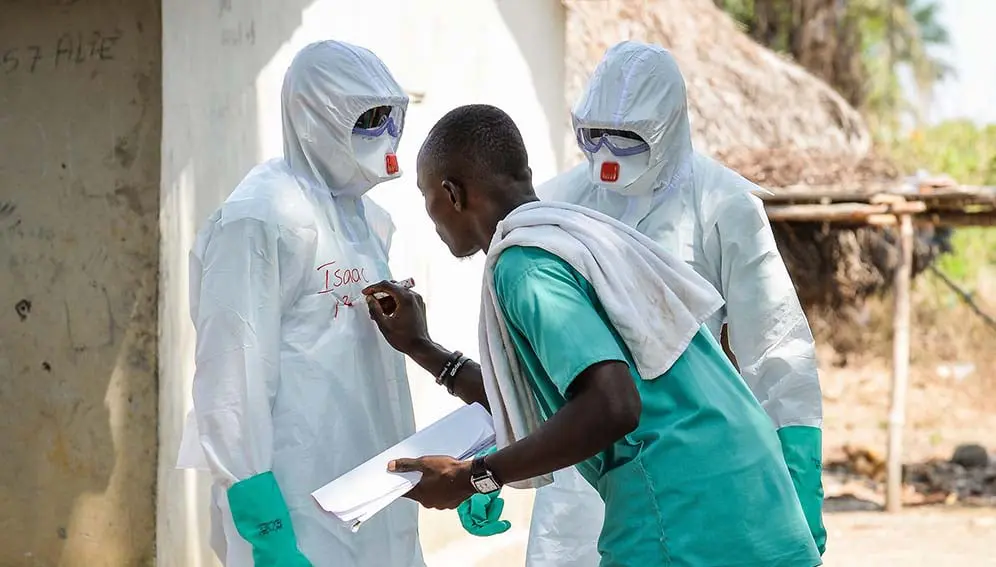
Among the organizations affected are prominent humanitarian groups such as Doctors Without Borders (MSF), World Vision International, and Oxfam. Israel accused MSF of employing two individuals linked to Palestinian militant groups, Islamic Jihad and Hamas. MSF responded that sharing its staff list could violate international humanitarian law and affirmed it does not knowingly employ individuals engaged in military activity.
The decision has drawn international criticism. On Thursday, 18 Israel-based left-wing NGOs condemned the ban, stating that the new registration framework “violates core humanitarian principles of independence and neutrality” and “institutionalises barriers to aid.”
UN officials also denounced the move. UN rights chief Volker Turk called it “outrageous,” warning that “arbitrary suspensions make an already intolerable situation even worse for the people of Gaza.” UNRWA chief Philippe Lazzarini described it as setting a “dangerous precedent,” cautioning that unchecked interference could undermine humanitarian neutrality and independence worldwide.
Earlier this week, foreign ministers from ten countries, including France and the United Kingdom, urged Israel to guarantee access to aid in Gaza, where the humanitarian situation remains “catastrophic.”
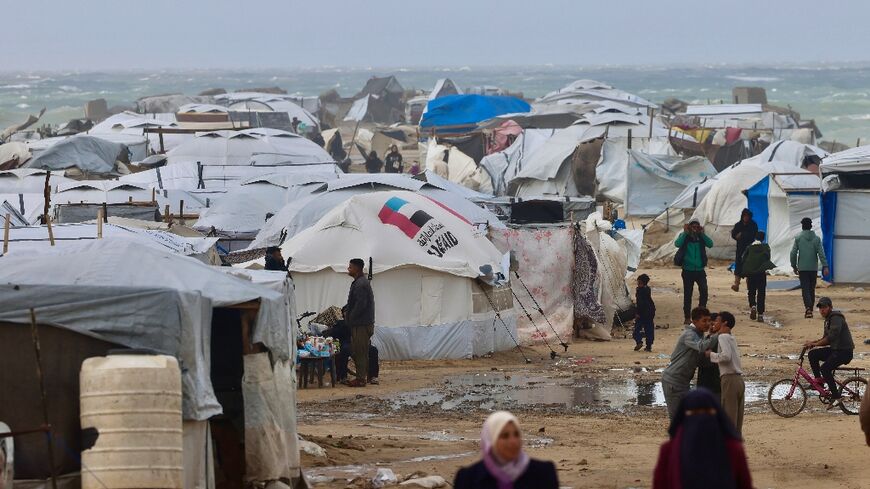
A fragile ceasefire has been in place since October, following Israel’s military response to Hamas’s attack on October 7, 2023. Nearly 80% of Gaza’s buildings have been destroyed or damaged, leaving about 1.5 million people homeless, according to UN data and the Palestinian NGO Network.
The affected NGOs have until March 1, 2026, to suspend activities, as Israel enforces its new regulatory framework aimed at restricting organizations it considers potential security threats.


