







By Ayomide Otitoju
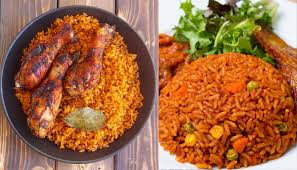
The average cost of preparing a pot of jollof rice in Nigeria rose to ₦30,435 in March 2026, driven by surging fuel prices linked to global oil market disruptions following the Iran-related conflict, according to a new report by SBM Intelligence.
The report, titled Jollof Index Q1 2026, showed that the cost of cooking the popular meal for a family of five increased by 19.4 per cent over six months, reflecting intensifying inflationary pressures on Nigerian households.
SBM Intelligence attributed the spike to the escalation of tensions involving the United States, Israel, and Iran in late February 2026, which triggered a sharp rise in global crude oil prices.
According to the report, Brent crude surged from the low-$70s to above $80 shortly after strikes on Iran and later climbed to nearly $120 per barrel within weeks, feeding into domestic fuel price increases.
It noted that petrol prices in Lagos nearly doubled to ₦1,325 per litre, while Abuja recorded about ₦1,367 per litre. Diesel prices also climbed above ₦1,500, significantly raising transport and logistics costs across supply chains.
The report highlighted Nigeria’s continued reliance on imported refined petroleum products despite being a crude oil producer, making the economy highly exposed to global energy shocks.
SBM Intelligence explained that the Jollof Index, which tracks the cost of preparing a standard pot of jollof rice for a family of five, serves as a real-time indicator of household inflation.
It stated that the ₦30,435 average cost now represents over 40 per cent of Nigeria’s minimum wage, underscoring worsening affordability pressures.
Data from the National Bureau of Statistics showed headline inflation rose to 15.38 per cent in March 2026, while month-on-month inflation more than doubled to 4.18 per cent. Food inflation remained particularly high, especially in rural areas affected by transport constraints.
The report also documented coping strategies adopted by households, including reducing meal portions, substituting protein sources, and switching from gas to charcoal. Some respondents reported skipping meals or buying food in smaller quantities to manage rising costs.
It added that Nigeria’s jollof index reached 151.3 in March 2026—its highest level on record—while the cost of a pot of jollof is now estimated at $21.93, compared to $14.49 in 2023.
SBM Intelligence said the crisis highlights deeper structural weaknesses in Nigeria’s economy, including logistics challenges, insecurity in food-producing regions, and overdependence on fuel imports.
It called for urgent policy reforms, including investments in transport infrastructure, agricultural productivity, and strategic food reserves to reduce vulnerability to external shocks.