

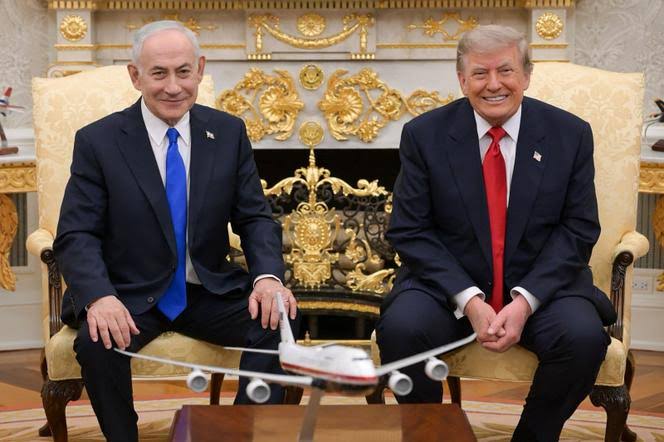
Israeli Prime Minister Benjamin Netanyahu arrived at the White House on Tuesday for talks with US President Donald Trump, as both leaders seek to address differences over the ongoing conflict with Iran and reaffirm their alliance.
The meeting marks Netanyahu’s first face-to-face discussion with Trump since the Iran war began, following US and Israeli strikes on Iran in late February and a recent pause in fighting as Washington pushes for renewed negotiations.
Although Israel has not participated in the latest round of US-Iran hostilities, tensions between the two countries intensified earlier this month after a previous ceasefire agreement collapsed.
The talks, the eighth meeting between the two leaders since Trump returned to office in 2025, are expected to focus mainly on Iran, regional security and efforts to strengthen diplomatic ties.
Speaking before leaving Israel, Netanyahu said the discussions would centre on protecting Israel’s security and expanding peace agreements in the region.
The visit comes at a politically significant time for both leaders, with Netanyahu facing national elections in Israel and Trump preparing for midterm elections in the United States later this year.
Relations between Trump and Netanyahu had recently faced challenges during negotiations over the Iran ceasefire, with disagreements emerging over the timing and approach to military operations. However, Netanyahu described the disputes as strategic differences rather than a breakdown in relations.
During the meeting, the leaders are also expected to discuss the implementation of a US-backed framework agreement between Israel and Lebanon, as well as stalled diplomatic efforts over the reconstruction of Gaza.
The humanitarian situation in Gaza remains a major concern nearly three years after the conflict between Israel and Hamas began, with continued military operations and ongoing challenges facing civilians in the territory.
Israel’s Ambassador to the United Nations, Danny Danon, said Netanyahu’s visit came at a critical moment for the Middle East, accusing Iran of prioritising confrontation over negotiations.
International relations expert Yonatan Freeman of the Hebrew University of Jerusalem said the meeting was aimed at demonstrating that the relationship between Washington and Jerusalem remains strong despite recent disagreements.
He added that differences between Trump and Netanyahu were mainly about the methods and timing of military actions rather than their broader objectives.
Freeman said Trump was likely to prioritise discussions on Iran and expanding the Abraham Accords, a series of US-brokered agreements that normalised relations between Israel and countries including the United Arab Emirates, Bahrain and Morocco.
However, some analysts believe the talks could also address Israel’s military presence in parts of the region, including Lebanon, Syria and Gaza.


