






By Ayomide Otitoju
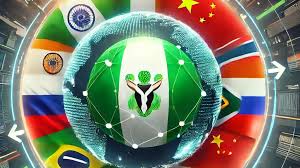
For the first time, Nigeria has been recognized as a partner nation of the BRICS group—comprising Brazil, Russia, India, China, and South Africa—marking a significant milestone in the country’s global economic positioning. This partnership comes at a time when emerging economies are reshaping international trade and economic relations, offering Nigeria a unique opportunity to expand its economic influence.
The BRICS bloc is known for advocating a new world economic order that prioritizes cooperation among developing nations. By aligning with BRICS, Nigeria stands to benefit from expanded trade channels, increased investment, and strengthened economic collaboration. The country’s vast commodity market—particularly its oil and gold sectors—is expected to play a crucial role in this partnership, as Nigeria explores new opportunities in gold trading and other resource-based exchanges.
Diversification and Industrial Growth
Nigeria’s inclusion in BRICS aligns with its broader economic objectives of diversification and industrialization. For decades, the country has relied heavily on crude oil exports, leaving its economy vulnerable to global price fluctuations. The BRICS partnership provides a pathway for Nigeria to attract investment into non-oil sectors such as agriculture, manufacturing, and technology, fostering long-term economic stability.
Additionally, Nigeria could leverage the technological expertise of BRICS members, particularly China and India, to modernize its industries. Collaborations in renewable energy, digital technology, and healthcare could accelerate development, enhance competitiveness, and create employment opportunities. These advancements are vital not only for economic growth but also for addressing social challenges such as unemployment and inadequate infrastructure.
Geopolitical and Economic Considerations
While the BRICS partnership presents significant advantages, it also comes with strategic challenges. Nigeria must carefully manage its existing relationships with Western nations, which have traditionally been its primary economic and political allies. Striking a balance between old and new partnerships will be crucial to maximizing the benefits of this alliance.
Moreover, ensuring that the economic gains from the BRICS partnership translate into tangible benefits for Nigerian citizens will require strong governance, transparency, and accountability. The government must prioritize policies that foster job creation, infrastructure development, and inclusive economic growth, preventing benefits from being concentrated among elites.
Nigeria’s Role in Regional and Global Economic Integration
As Africa’s largest economy, Nigeria’s BRICS partnership also presents opportunities for broader regional cooperation. The country is well-positioned to drive economic integration across Africa, particularly through the African Continental Free Trade Agreement (AfCFTA). Strengthening intra-African trade and investment under BRICS could boost Nigeria’s economic influence and contribute to the continent’s overall development.
Furthermore, Nigeria’s association with BRICS signals a shift in the global economic order, as developing nations seek greater influence in institutions such as the International Monetary Fund (IMF) and the World Bank. By engaging with BRICS, Nigeria is positioning itself to play a more active role in shaping international economic policies.
Path Forward
The success of Nigeria’s BRICS partnership will depend on the effective implementation of policies that maximize the alliance’s benefits. Strengthening institutional capacity, improving the business environment, and addressing challenges such as corruption and inadequate infrastructure will be critical. Engaging key stakeholders—including the private sector, civil society, and other non-state actors—will further ensure that the partnership is both sustainable and beneficial in the long run.
Nigeria’s recognition as a BRICS partner represents a transformative opportunity, offering a platform to diversify its economy, enhance global influence, and foster regional economic cooperation. While challenges remain, strategic planning and sound leadership could position Nigeria as a key player in the evolving global economic landscape.