








By Ayomide Otitoju
Nigeria’s headline inflation rate rose to 34.60% in November 2024, up from 33.88% in October, according to the latest report from the National Bureau of Statistics (NBS) released on Monday. This represents an increase of 0.72 percentage points compared to October’s inflation rate.
On a year-on-year basis, the November inflation rate is 6.40% higher than the 28.20% recorded in November 2023, indicating a continued rise in inflation from the same month in the previous year.
Food Inflation Soars
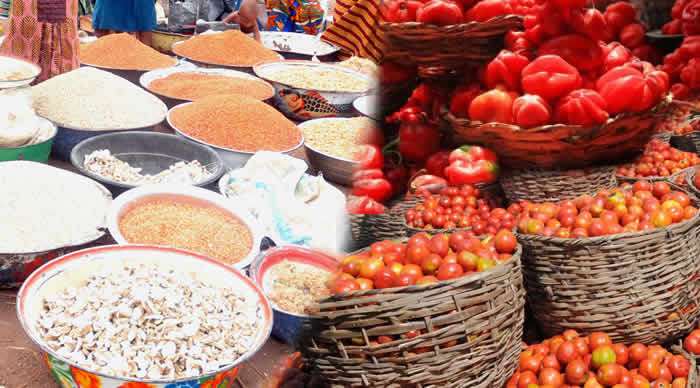
The food inflation rate for November 2024 stood at 39.93% year-on-year, a significant increase of 7.08 percentage points from November 2023’s 32.84%. On a month-on-month basis, food inflation rose by 2.98%, slightly higher than the 2.94% recorded in October 2024.
The sharp increase in food prices has been driven by rising costs of essential items such as catfish, dried fish, rice, yam flour, millet, corn flour, eggs, powdered and fresh milk, dried beef, goat meat, and frozen chicken, among others.
Economic Strain and Policy Impact
The steep rise in food and commodity prices has exacerbated the cost of living crisis, which many Nigerians now consider the worst since the country’s independence more than six decades ago.
International financial institutions, including the World Bank and the International Monetary Fund, have attributed Nigeria’s inflationary pressures to the delayed implementation of key economic reforms. Both institutions had previously called for the removal of energy subsidies and the floating of the naira to curb inflation.
Following his inauguration in May 2023, President Bola Tinubu implemented these reforms, removing the petrol subsidy and floating the naira. This led to a dramatic increase in petrol prices, which more than quadrupled from under N200 per litre to over N1,100 in some areas. The naira also depreciated significantly, dropping from around N700 to the dollar to approximately N1,600.


