





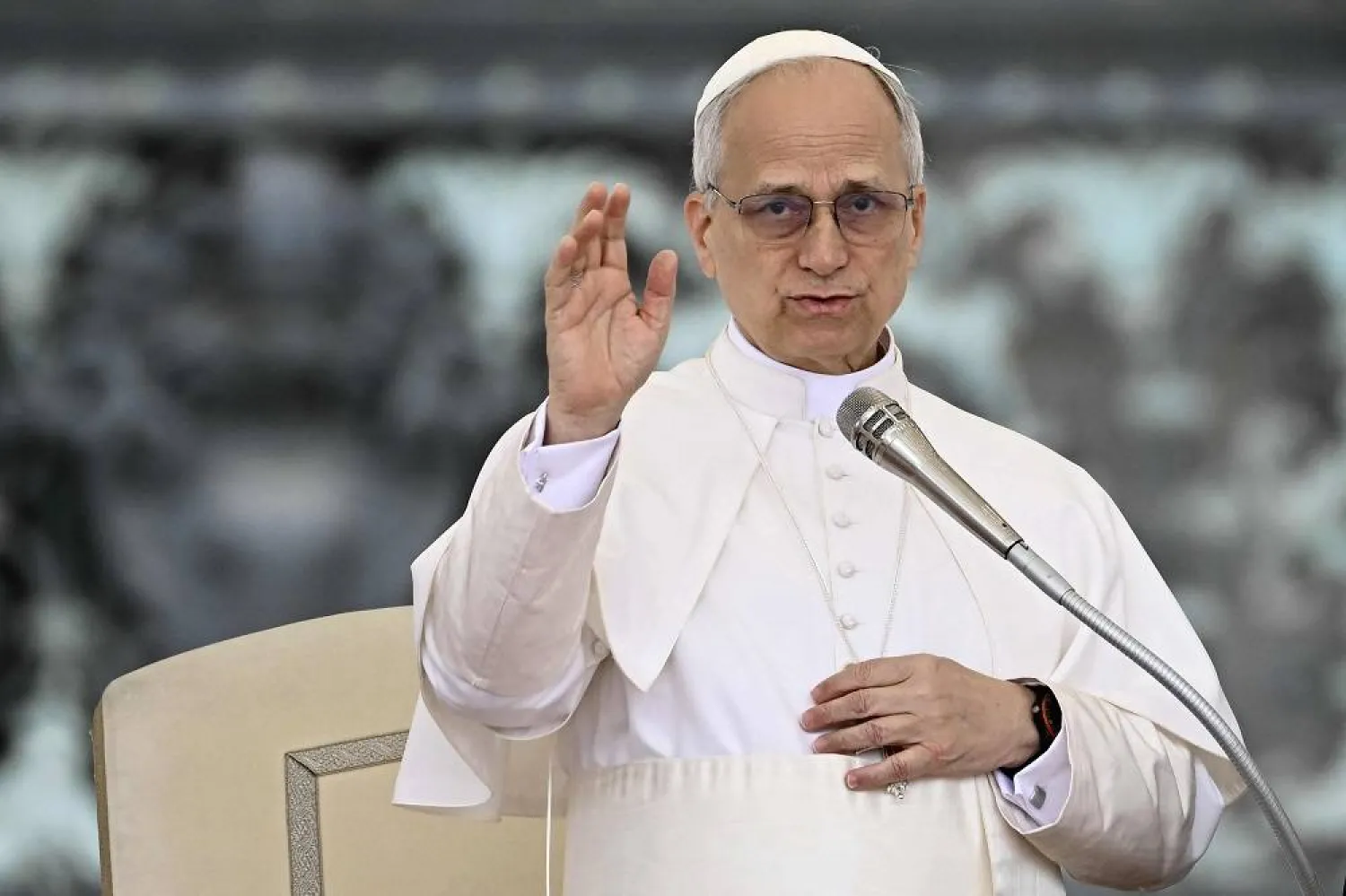
Pope Leo XIV on Monday criticised what he described as the “progressive bureaucratisation of solidarity,” warning that administrative obstacles are hindering efforts to combat global hunger while weapons continue to flow freely into conflict zones.
Speaking during a visit to the headquarters of the World Food Programme (WFP) in Rome, the pontiff called on the international community to increase funding for anti-hunger initiatives and remove barriers that prevent aid from reaching vulnerable populations.
The pope said humanitarian concerns are often sidelined despite widespread declarations of commitment to alleviating human suffering.
“There is a growing gap between recognising a problem in principle and making it a practical priority,” Leo said, warning that solidarity is increasingly being weighed down by bureaucracy while human life is treated as a commodity.
According to the pontiff, humanitarian operations are frequently delayed by cumbersome administrative procedures, while access to essential goods, including food, is often shaped by economic and geopolitical interests.
“As a result, those who do not generate quantifiable value risk becoming invisible,” he said.
Pope Leo also lamented what he described as an imbalance in global priorities, noting that weapons continue to move with fewer restrictions than humanitarian assistance.
“Conflicts are fed more readily than people are nourished,” he said, arguing that the trend reflects a deeper political and moral failure.
The 70-year-old leader of the Catholic Church urged governments, institutions and individuals to provide greater support for organisations fighting hunger, including the WFP, which assisted 121 million people worldwide in 2025.
The appeal comes as the WFP faces mounting financial challenges following significant reductions in funding from the United States and several European donors in recent years.
The organisation has also grappled with growing operational pressures linked to conflicts, including the war in the Middle East, which has complicated aid logistics and increased delivery costs across multiple regions.


