

By Ayomide Otitoju
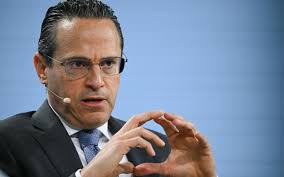
The Chief Executive of Shell plc, Wael Sawan, has said the blockade of the Strait of Hormuz has triggered global energy disruptions “never seen before,” with more than 10 per cent of global oil production already removed from the market.
Sawan made the remarks on Wednesday at a business summit organised by the Wall Street Journal, where he warned that the ongoing conflict in the Middle East was having severe ripple effects on global energy supplies.
According to him, the impact has been “disproportionately painful” in Asia, with countries such as India, Indonesia, Thailand and Vietnam reportedly resorting to fuel rationing due to supply shortages.
The Strait of Hormuz, a critical global shipping route, has been effectively shut since US and Israeli strikes on Iran in late February, disrupting nearly a fifth of global oil flows and unsettling energy markets worldwide.
Fresh exchanges of strikes between Iran and the United States this week have further strained a fragile ceasefire that came into effect in April, casting uncertainty over diplomatic efforts to end the conflict.
Sawan cautioned that even if hostilities end soon, it could take up to a year or longer for global energy markets to fully stabilise and rebalance.
While higher oil prices boosted Shell’s first-quarter net profit, the company said the conflict was negatively affecting its gas production operations.
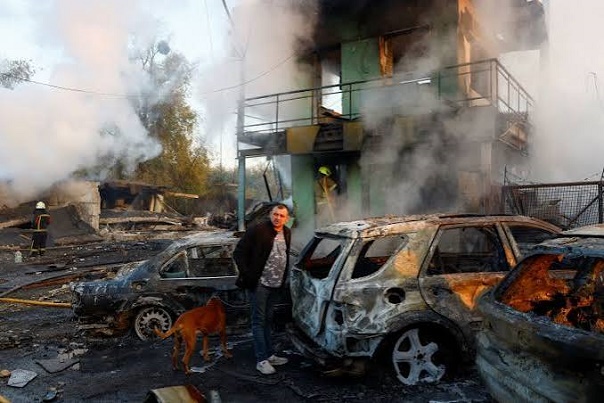
He also noted that the Ras Laffan LNG facility in Qatar, the world’s largest liquefied natural gas hub, had suffered significant damage from recent strikes.
“We’re in full throttle in terms of repairing it. We’ve already cleared out all the debris,” Sawan said.
He added that the company remains hopeful the facility could return to full operation by the end of the first quarter of next year.