







By Ayomide Otitoju
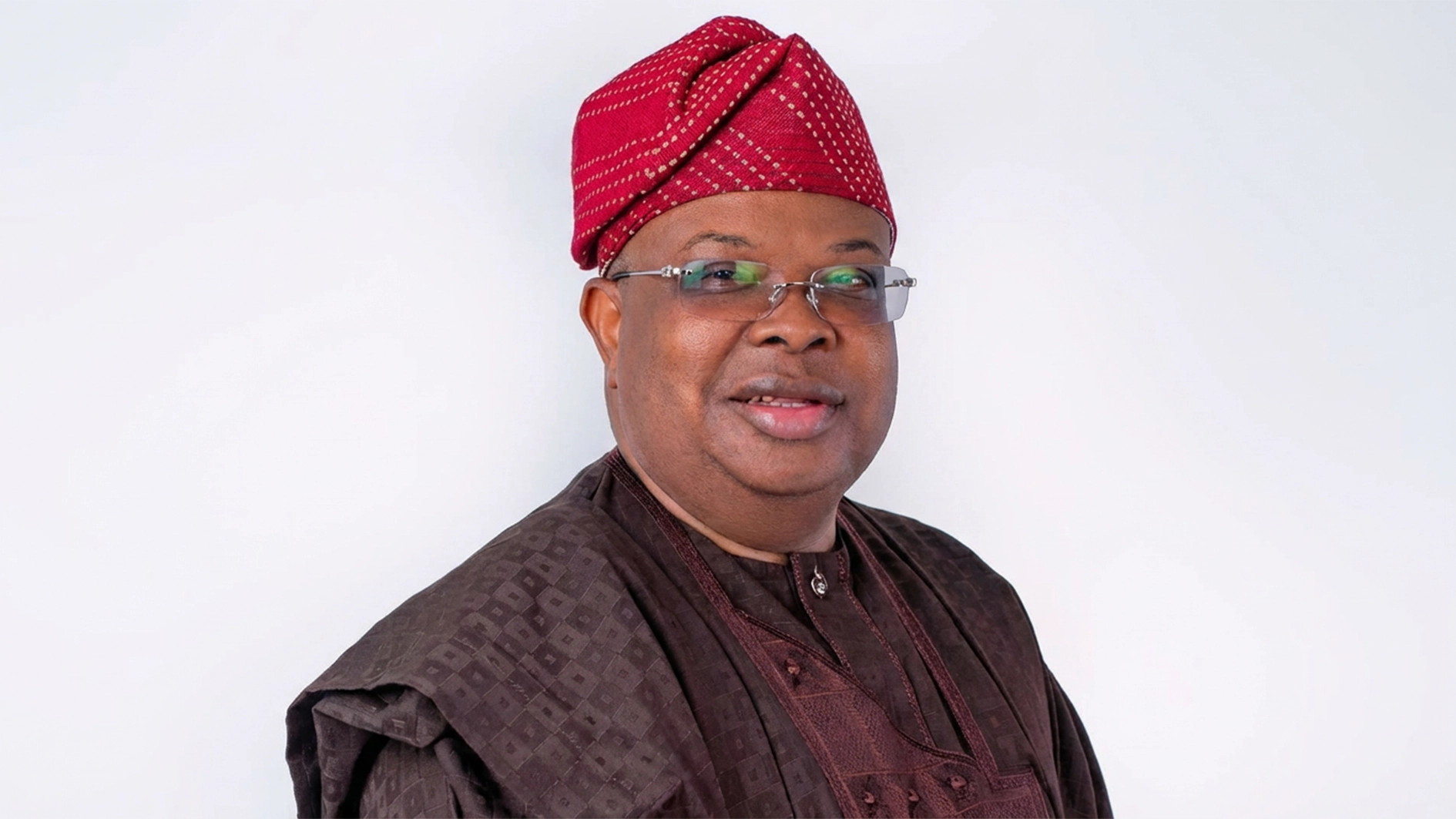
Execution discipline and transparency are expected to shape the agenda of Nigeria’s Minister-Designate for Power, Joseph Olasunkanmi Tegbe, following his remarks to the Nigerian Senate that there is “no quick fix” to the country’s longstanding electricity crisis.
Tegbe’s comments have drawn attention for departing from the optimistic rhetoric that has often characterised public discussions around Nigeria’s power sector. Analysts say the statement signals a leadership approach focused more on implementation and operational realism than ambitious declarations.
Nigeria’s electricity industry has faced decades of challenges despite multiple reform initiatives and repeated promises of improved supply. The sector continues to grapple with liquidity constraints, weak market confidence, transmission bottlenecks, collection inefficiencies, infrastructure deficits and operational instability.
Industry observers note that beyond electricity shortages, one of the biggest casualties of the sector’s persistent challenges has been institutional credibility, as successive reforms failed to deliver expected outcomes.
Against this backdrop, Tegbe’s emphasis on transparency, accountability and execution discipline is being viewed as a potentially important shift. Stakeholders argue that the sector’s problems are already widely understood by policymakers, regulators, operators and investors, but implementation gaps and weak coordination have consistently slowed progress.
Analysts also note that restoring investor confidence will depend largely on the government’s ability to demonstrate measurable execution and policy consistency. According to them, the electricity market responds not only to ambitious targets, but also to governance credibility, financial discipline and operational predictability.
Experts say the interconnected nature of the power value chain means that inefficiencies in one segment often affect the entire system. Generation capacity without sufficient transmission infrastructure limits evacuation, while tariff adjustments without widespread metering can undermine consumer trust.
Financial sustainability is also expected to remain central to any reform effort. Nigeria’s power sector has long struggled with accumulated debts, subsidy pressures, payment shortfalls and uncertainty around cost recovery mechanisms.
Observers argue that greater transparency in reforms could help reduce uncertainty, improve accountability and strengthen confidence among investors, operators and consumers. They note that transparent governance can also support better investment decisions and improve performance monitoring across the sector.
In addition, stakeholders emphasise that infrastructure projects in the power sector often fail not solely because of inadequate funding, but due to poor coordination, opaque procurement processes and weak accountability structures.
Analysts maintain that restoring credibility in the sector will require sustained operational improvements rather than policy pronouncements alone.
According to observers, Tegbe’s repeated emphasis on execution discipline and transparent reforms will ultimately be judged by the extent to which those principles translate into measurable improvements in electricity supply, financial sustainability and overall sector governance.


