


The World Health Organisation (WHO) and the Africa Centres for Disease Control and Prevention (Africa CDC) have launched a $518 million joint response plan to contain the Ebola outbreak spreading in the Democratic Republic of Congo (DRC) and neighbouring countries.
The coordinated plan, announced on Friday, will run from June to November and is aimed at strengthening emergency coordination, surveillance, laboratory testing, infection prevention and control, clinical care, and community engagement.
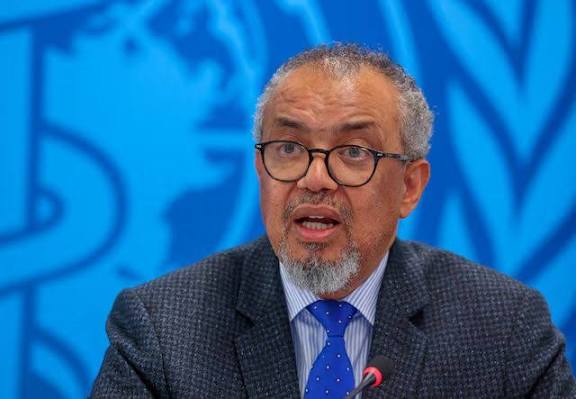
WHO Director-General, Dr. Tedros Adhanom Ghebreyesus, described the initiative as a time-bound and costed response designed to curb the outbreak and reduce the risk of further spread.
According to the WHO, the outbreak—declared on May 15 in northeastern DRC—has so far recorded 381 confirmed cases and 64 deaths. Health authorities say the rare Bundibugyo strain of the virus may have been circulating undetected for some time before detection.
The outbreak has spread across three provinces, with Ituri identified as the epicentre, accounting for about 90 per cent of confirmed cases and 76 per cent of deaths, according to Africa CDC data.
Neighbouring Uganda has also reported 16 confirmed cases, including one death.
The Africa CDC noted that the current outbreak is larger than previous Bundibugyo Ebola outbreaks recorded in 2007 and 2012. There are currently no approved vaccines or treatments for the strain.


