


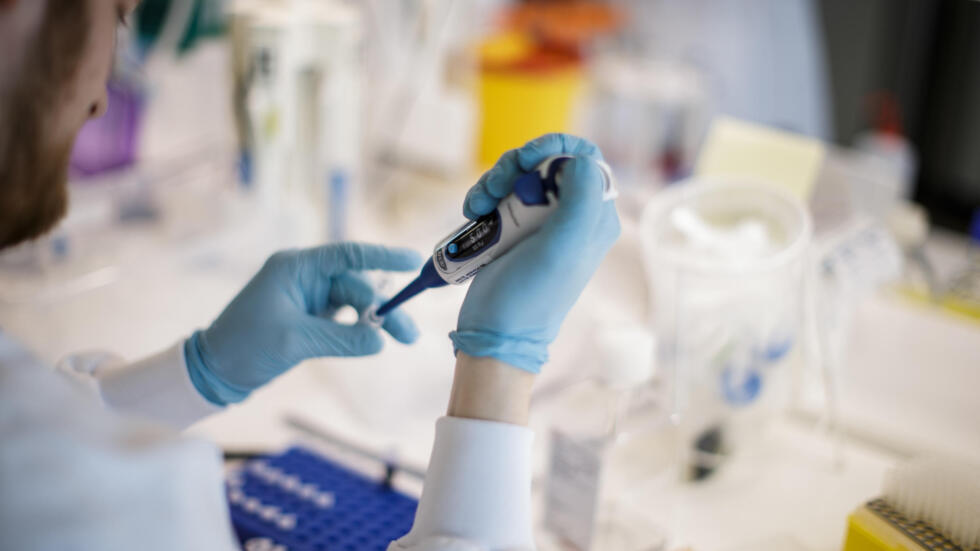
The Gavi vaccine alliance announced on Wednesday a deal with Danish drugmaker Bavarian Nordic to provide 500,000 doses of mpox vaccine for African countries battling an outbreak of the virus. This move follows the World Health Organization’s recent prequalification of the mpox vaccine, MVA-BN, which facilitates procurement by the United Nations and other international agencies.
In addition, the Global Fund, established in 2002 to combat AIDS, tuberculosis, and malaria, has pledged $9.5 million to support the mpox response in the Democratic Republic of Congo (DRC), the epicenter of the current epidemic. Gavi will use its First Response Fund, created in June to expedite vaccine procurement during health emergencies, to purchase and distribute the doses by the end of the year.
Gavi’s Chief Sania Nishtar emphasized the alliance’s commitment to working with affected governments and partners to deploy the vaccines swiftly and effectively. “Our goal is to build a global vaccine stockpile,” she said, though this objective hinges on securing adequate funding through 2030.
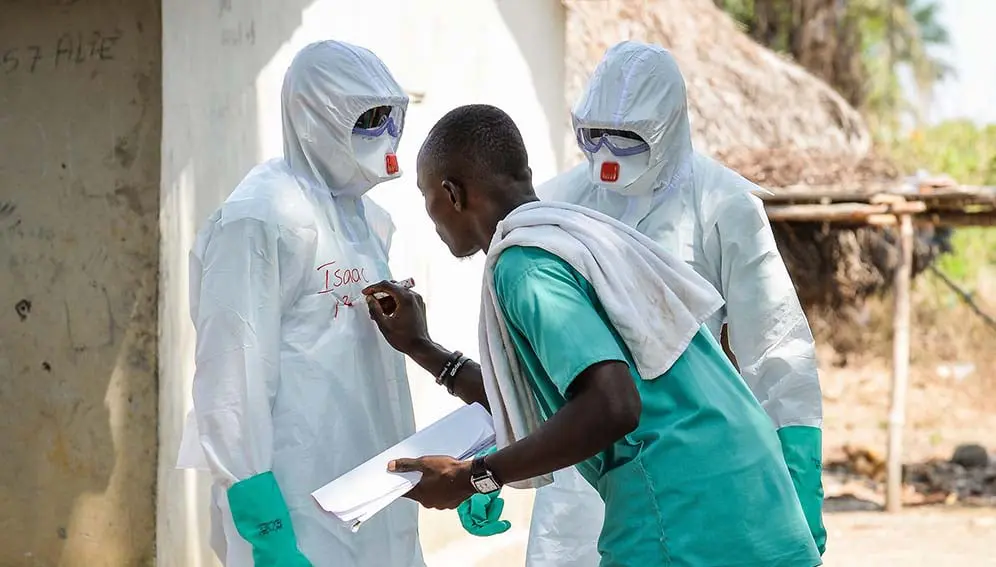
Mpox, formerly known as monkeypox, is a virus transmitted to humans from infected animals and can also spread between people through close physical contact. It causes symptoms such as fever, muscle aches, and large, boil-like skin lesions, and can be fatal in some cases.
The WHO declared an international emergency over mpox last month due to a surge in cases of the new Clade 1b strain in the DRC, which has also spread to neighboring countries. From January to late August, the DRC reported nearly 22,000 cases and over 700 deaths related to the virus. Clade 1b has been detected in Burundi, Rwanda, Uganda, and Kenya, with single cases also reported in Sweden and Thailand, according to the Africa Centres for Disease Control and Prevention.


