




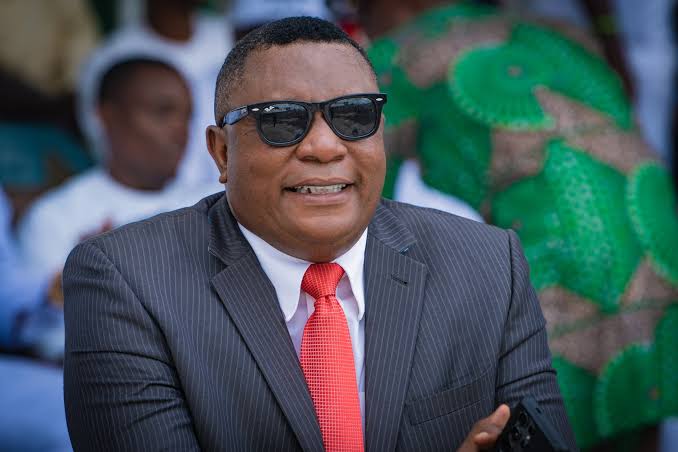
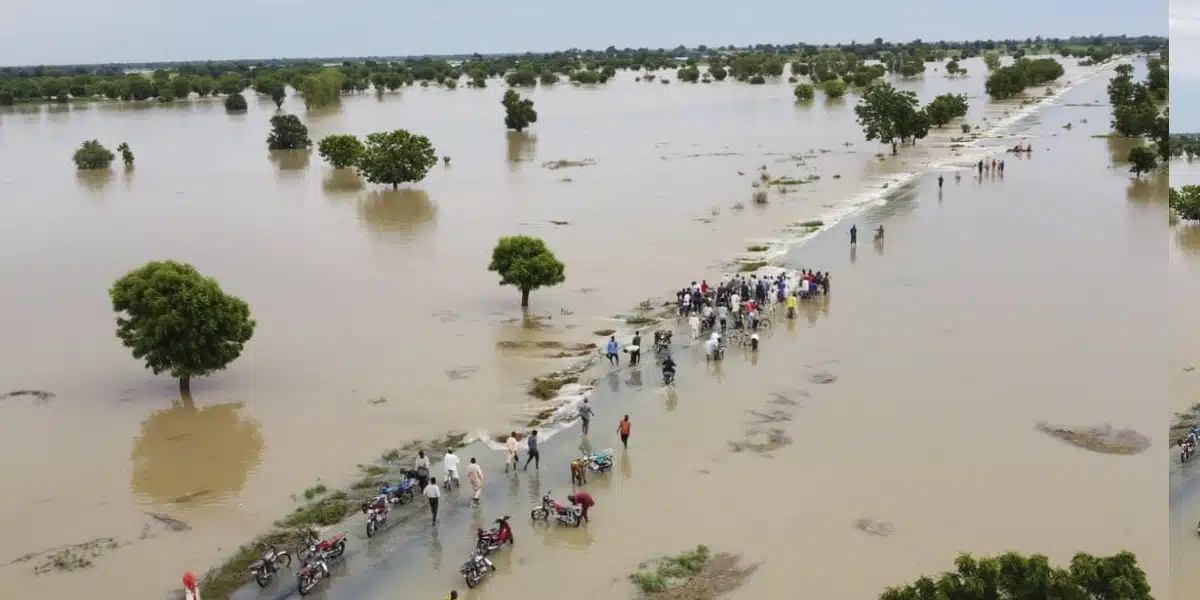
The Federal Government has issued a warning to Nigerians regarding the planned release of water from the Lagdo Dam in Cameroon, scheduled to begin on September 17, 2023. The announcement was made by Umar Muhammed, Director General of the Nigeria Hydrological Services Agency (NIHSA), on Tuesday.
In a statement, NIHSA disclosed that the controlled release will start at a rate of 100 cubic meters per second (100m³/s), with a gradual increase to 1000m³/s over the next week, based on inflows from the upstream Garoua River.
“The authorities of the Lagdo Dam in Cameroon have informed NIHSA that they will begin releasing water at 100m³/s (8.64 million cubic meters per day) from September 17,” the statement read. This gradual release is designed to prevent overwhelming the Benue River and avert significant flooding downstream in Nigeria.
Muhammed stressed that while there is no immediate cause for alarm, states along the Benue River, such as Adamawa, Taraba, Benue, Nasarawa, and Kogi, should remain vigilant and take precautionary steps to mitigate any potential flooding.
NIHSA assured the public that it will closely monitor the situation and provide regular updates to prevent flood disasters.
FG Warns Nigerians of Planned Water Release from Lagdo Dam
The Federal Government has issued a warning to Nigerians regarding the planned release of water from the Lagdo Dam in Cameroon, scheduled to begin on September 17, 2023. The announcement was made by Umar Muhammed, Director General of the Nigeria Hydrological Services Agency (NIHSA), on Tuesday.
In a statement, NIHSA disclosed that the controlled release will start at a rate of 100 cubic meters per second (100m³/s), with a gradual increase to 1000m³/s over the next week, based on inflows from the upstream Garoua River.
“The authorities of the Lagdo Dam in Cameroon have informed NIHSA that they will begin releasing water at 100m³/s (8.64 million cubic meters per day) from September 17,” the statement read. This gradual release is designed to prevent overwhelming the Benue River and avert significant flooding downstream in Nigeria.
Muhammed stressed that while there is no immediate cause for alarm, states along the Benue River, such as Adamawa, Taraba, Benue, Nasarawa, and Kogi, should remain vigilant and take precautionary steps to mitigate any potential flooding.
NIHSA assured the public that it will closely monitor the situation and provide regular updates to prevent flood disasters.


