






By Ayomide Otitoju
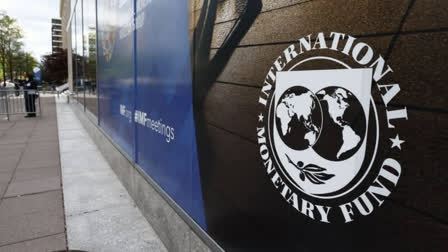
The heads of the International Monetary Fund (IMF), World Bank Group (WBG), and World Health Organization (WHO) have agreed on a coordinated approach to enhance global pandemic preparedness. This partnership aims to scale up support for countries to prevent, detect, and respond to public health threats by leveraging the IMF’s Resilience and Sustainability Trust (RST), the World Bank’s financial and technical assistance, and WHO’s in-country expertise.
The RST provides long-term, low-interest financing for eligible member countries to address structural economic challenges, such as those posed by pandemics, and to strengthen health systems resilience. The collaboration will integrate IMF’s macroeconomic policy expertise, World Bank’s development policies and investments, and WHO’s technical guidance to enhance health emergency readiness.
Each institution will work within its mandate to support countries in pandemic preparedness. WHO and the World Bank will focus on health-related development and investments, while the IMF will drive macro-critical policy reforms through its Resilience and Sustainability Facility (RSF).
Kristalina Georgieva, Managing Director of the IMF, emphasized that this collaboration will help countries access affordable, long-term financing to strengthen pandemic preparedness and health system resilience. WHO Director-General Dr. Tedros Adhanom Ghebreyesus highlighted the importance of mobilizing new financing sources to prevent and respond to pandemics, while World Bank Group President Ajay Banga underscored the need for aggressive planning to bolster health systems for future crises.


