









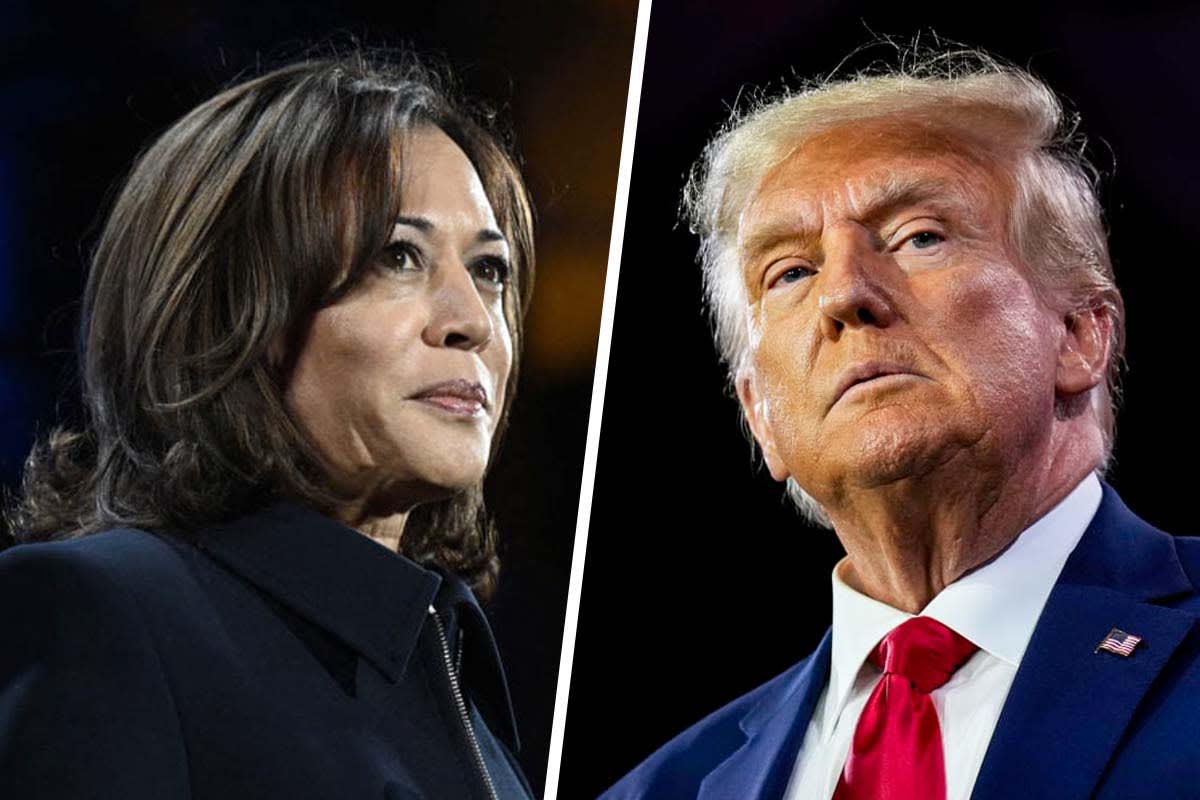
As the November 5 election looms, Vice President Kamala Harris and former President Donald Trump are locked in a razor-thin contest across pivotal swing states. In a race shaping up to be one of the closest in modern history, both candidates are making strategic stops in the handful of states likely to decide the outcome, with just days left until voters head to the polls.
Under the U.S. Constitution, each state holds its own election, and the winner-takes-all Electoral College system means candidates need to secure 270 of 538 electoral votes to claim victory. This structure makes the swing states crucial in the 2024 race, and Harris and Trump remain within the margin of error across the top seven battlegrounds.
Here’s a look at the high-stakes battlegrounds:
Pennsylvania (19 Electoral Votes)
With a history of alternating support, Pennsylvania is a fiercely contested state. Trump won it in 2016 by a slim margin but lost to Biden in 2020. Both candidates have made repeated visits, focusing on the issues important to Pennsylvania’s diverse demographic. Trump is appealing to rural communities, warning of immigration’s impact on small towns, while Harris has pitched a $100 billion investment plan for manufacturing, addressing the state’s economic needs.
Georgia (16)
Georgia emerged as a crucial swing state after Biden’s narrow win in 2020, making him the first Democrat to carry it since 1992. Trump’s election interference case in Georgia, paused until after the election, continues to attract national attention. Harris is rallying the state’s diverse population, particularly minority voters, as she works to keep the Peach State in the Democratic column.
North Carolina (16)
Traditionally Republican, North Carolina has become a target for Harris, who is focusing on the state’s changing demographics. Trump’s prospects are complicated by a scandal surrounding the state’s Republican gubernatorial candidate, which some party leaders worry could impact his support. Meanwhile, the recent devastation from Hurricane Helene has left western North Carolina in recovery mode, adding another layer of uncertainty to the election.
Michigan (15)
After Trump’s narrow win in 2016, Biden flipped Michigan back to blue in 2020, relying on strong support from labor unions and the Black community. However, Harris faces challenges with the state’s sizable Arab-American population, which has been critical of the administration’s response to the Israel-Hamas conflict, potentially impacting Democratic support in this former stronghold.
Arizona (11)
A narrow Biden win in 2020, Arizona remains tightly contested. Trump has focused on immigration, criticizing the administration’s policies, while Harris has visited the state’s border region, pledging to work on bipartisan reforms. Arizona’s proximity to Mexico makes border issues a critical factor in this battleground.
Wisconsin (10)
Wisconsin has played a pivotal role in recent elections, with both parties experiencing close victories. Clinton’s 2016 loss here was a wake-up call for Democrats, who reclaimed it in 2020. Trump, who held the Republican National Convention in Wisconsin, remains optimistic, but the state remains tightly contested.
Nevada (6)
Once considered reliably Democratic, Nevada’s large Hispanic population has shown increased support for Trump. Harris, however, has gained traction with her economic policies targeting small businesses and inflation. The state’s hospitality industry in Las Vegas has made it a key focus for both candidates.
As the candidates make final stops, Pennsylvania, Michigan, and Georgia appear especially critical. Harris and Trump will hold their final rallies in Michigan and Pennsylvania on Monday night, marking the end of a historic campaign before Election Day’s outcome unfolds.


