



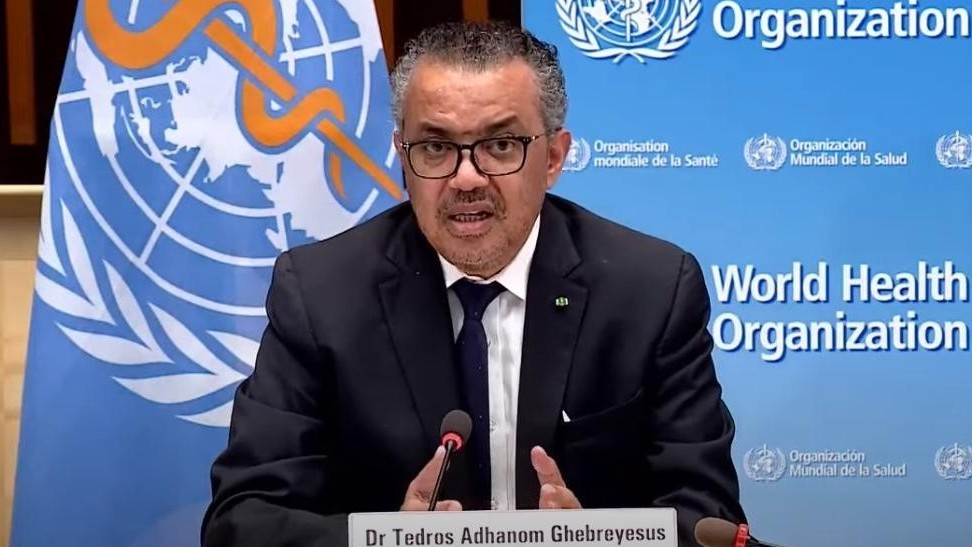
Negotiations on a global pandemic treaty resumed at the World Health Organization (WHO) headquarters in Geneva on Monday, with WHO Director-General Tedros Adhanom Ghebreyesus expressing confidence that an agreement is within reach.
The talks, involving representatives from the WHO’s 194 member states, come three years after the decision to draft a pandemic accord in response to the COVID-19 crisis.
“You know your task and what is at stake,” Tedros told delegates. “You should be proud of what you have achieved in the past three years and confident that the end is in sight. It’s closer than you think. I believe that you can finalise the pending issues before the end of this year.”
Securing an international agreement in just over three years would represent a rapid pace for treaty negotiations, which often progress at a far slower rate. However, despite agreement on the treaty’s broad objectives, critical details remain unresolved.
Key Focus Areas and Challenges
The resumed negotiations, marking the continuation of the 12th round of discussions that began earlier in November, center on several pivotal issues. These include:
Research and development.
Sustainable financing for pandemic responses.
Technology and knowledge transfer for health products.
Surveillance and prevention mechanisms.
Establishing a pathogen access and benefit-sharing system, considered the treaty’s cornerstone.
Tedros emphasized the need for a comprehensive agreement, warning that “an imbalanced pandemic agreement is not an agreement.”
Urgency to Finalize the Accord
The week-long session aims to resolve outstanding issues before deciding whether to convene a special session of the World Health Assembly (WHA) to adopt the final treaty. Convening such a session requires at least 35 days of preparation.
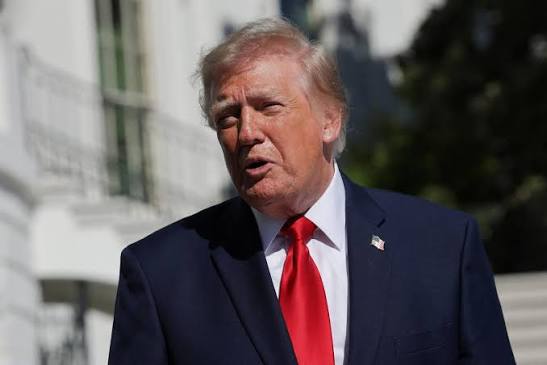
Adding urgency to the proceedings is the looming potential return of Donald Trump to the U.S. presidency in January. Trump, who has been critical of the WHO, previously initiated steps to withdraw the United States from the organization, citing its perceived alignment with China.
Optimism from Negotiators
Talks co-chair Precious Matsoso expressed hope that the current session would resolve most contentious issues. Meanwhile, co-chair Anne-Claire Amprou described the week as “crucial for the advancement of our work” and urged negotiators to adopt a pragmatic and flexible approach.
“This is becoming urgent,” Amprou said, underscoring the necessity of reaching a robust and equitable treaty that addresses prevention, preparedness, and response for future pandemics.
A progress review is scheduled for Friday to assess whether sufficient headway has been made to finalize the agreement within the year.


