




By Ayomide Otitoju
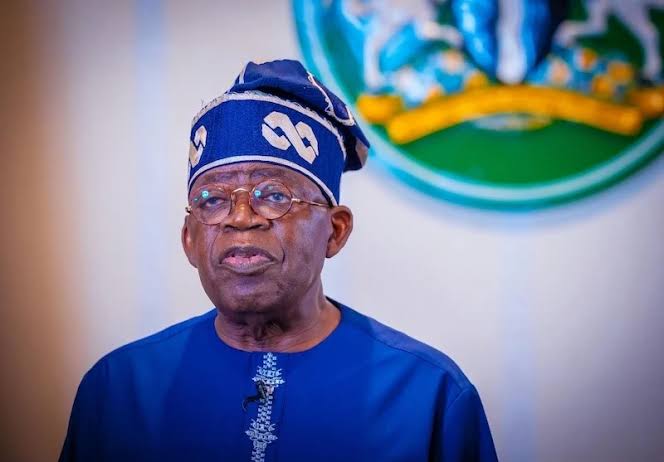
President Bola Tinubu has assured Nigerians that the country is moving towards economic recovery despite the ongoing cost-of-living crisis, emphasizing that recent reforms are yielding positive results.
Speaking on Friday while signing the ₦55.99 trillion ($37 billion) national budget for 2025, Tinubu acknowledged the economic difficulties faced by citizens but insisted that the government’s policies were beginning to stabilize the situation.
“The past year tested our resolve, but through economic discipline and strategic reforms, we achieved what many deemed impossible,” Tinubu said.
Nigeria has experienced high inflation since Tinubu’s administration removed the fuel subsidy and liberalized the naira exchange rate. While international financial institutions such as the IMF have supported these policies, many Nigerians continue to struggle with rising living costs.
Recent GDP figures, however, show promising signs, with the economy growing at 3.8% in the fourth quarter of 2024—the fastest rate in three years. Tinubu pointed to forex reforms, a new minimum wage, and a boost in government revenues (₦21.6 trillion in 2024) as indicators of progress.
“After the initial turbulence… the take-off was very cloudy and uncertain,” he said. “Today, we see a light at the end of the tunnel.”
Despite these economic gains, many Nigerians remain concerned about inflation, particularly rising rents in Lagos, where some areas have seen spikes of 100–200%.
As Tinubu approaches the halfway mark of his first term, analysts remain cautiously optimistic, hoping that continued economic growth and domestic production improvements will ease the financial strain on citizens.


