
By Ayomide Otitoju
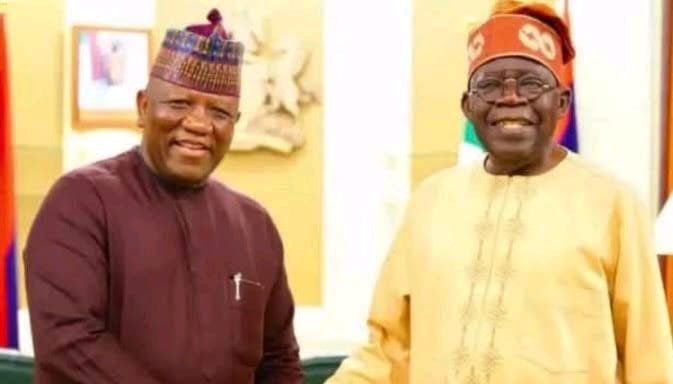
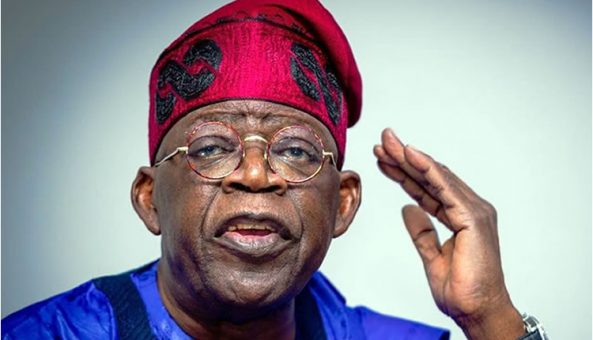
President Bola Tinubu on Wednesday announced that Nigeria has attained net exporter status, recording a trade surplus for the fifth consecutive quarter, with the surplus rising by 44.3 percent in Q2 2025 to ₦7.46 trillion ($4.74 billion)—the country’s largest in nearly three years.
The President, who delivered his Independence Day address as Nigeria marked its 65th anniversary, said the milestone reflects a fundamental shift in the economy. He disclosed that locally manufactured goods exported in the period surged by 173 percent, while non-oil exports now account for 48 percent of federal revenue, narrowing the dominance of oil to 52 percent.
“We are now selling more to the world than we are buying, a fundamental shift that strengthens our currency and creates jobs at home. This signals that we are diversifying our economy and foreign exchange sources outside oil and gas,” Tinubu said.
He noted that the economy has recorded stronger growth in the past three years, with external reserves climbing to $42.03 billion in September 2025, the highest since 2019. The tax-to-GDP ratio has also risen to 13.5 percent, up from less than 10 percent, and is projected to increase further with the implementation of a new tax law in January.
Tinubu explained that the law aims to broaden the tax base rather than increase the burden on existing taxpayers, while providing relief for low-income earners.
On oil production, he reported a rebound to 1.68 million barrels per day from just one million in May 2023, attributing the recovery to improved security, new investments, and better stakeholder engagement in the Niger Delta. He added that Nigeria has begun refining petrol domestically for the first time in four decades and has become Africa’s leading exporter of aviation fuel.
The President also highlighted progress in stabilising the naira, with the exchange rate gap between official and parallel markets narrowing due to reforms, capital inflows, and remittances.
“The multiple exchange rates, which fostered corruption and arbitrage, are now part of history. Additionally, our currency rate against the dollar is no longer determined by fluctuations in crude oil prices,” he said.
Tinubu said ₦330 billion has been disbursed to eight million vulnerable households under the social investment programme, while coal mining rebounded from a 22 percent contraction in Q1 to 57.5 percent growth in Q2. He described the solid minerals sector as “pivotal” to Nigeria’s industrial growth.
On infrastructure, he cited significant progress in rail, road, and port projects, including the nearly completed Kano-Katsina-Maradi and Kaduna-Kano standard gauge rail lines, as well as the Lagos-Calabar Coastal Highway and Sokoto-Badagry Highway. The Federal Executive Council, he said, recently approved $3 billion for the completion of the Eastern Rail Project.
Tinubu added that global credit rating agencies have upgraded Nigeria’s outlook, while the stock market has surged to an all-time high, with the All-Share Index climbing from 55,000 points in May 2023 to 142,000 points by late September 2025.
He also noted that the Central Bank of Nigeria cut interest rates to 27 percent—the first reduction in five years—reflecting growing confidence in macroeconomic stability.
“Nigeria’s GDP grew by 4.23 percent in Q2 2025, the fastest pace in four years and above the IMF’s projection of 3.4 percent. Inflation has dropped to 20.12 percent, the lowest in three years,” the President said.
According to him, non-oil revenue exceeded ₦20 trillion by August, meeting the 2025 target ahead of schedule, with September alone generating ₦3.65 trillion—411 percent higher than May 2023. Debt service-to-revenue ratio, he added, has fallen from 97 percent to below 50 percent.
Tinubu said the government has paid down “Ways and Means” advances that previously fueled inflation and freed up trillions of naira through the removal of fuel subsidies, which are now being redirected into infrastructure, social welfare, and economic development.
“Under our leadership, our economy is recovering fast, and the reforms we started over two years ago are delivering tangible results,” he declared.