

By Ayomide Otitoju
The Group Chief Executive Officer of the Nigerian National Petroleum Company Limited (NNPCL), Engr. Bashir Bayo Ojulari, has hailed the election of Dr. Philip Mshelbila, Managing Director of Nigeria LNG Ltd, as the new Secretary-General of the Gas Exporting Countries Forum (GECF), describing it as a milestone for Nigeria’s gas industry and economic growth.
Ojulari said the development places Nigeria prominently on the global energy map, reinforcing the nation’s strategy to make natural gas a cornerstone for inclusive and sustainable development.
“NNPC Ltd is proud of what Mshelbila has achieved at Nigeria LNG, where he transformed Nigeria’s vast gas reserves into export-grade LNG, LPG, and condensates, serving domestic needs and global markets. With this feat, Nigeria is now recognized globally as a major player in gas development,” Ojulari stated.
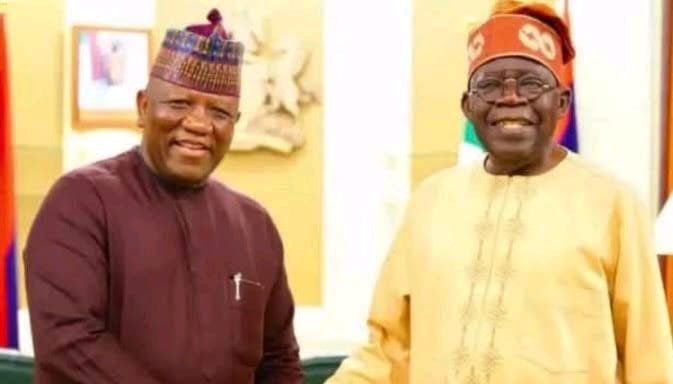
The NNPC also commended President Bola Ahmed Tinubu for his role in Mshelbila’s emergence, calling it a historic moment that aligns with the Federal Government’s Gas Agenda, which prioritizes natural gas as a key driver for industrial growth, energy security, and economic transformation.
Mshelbila was elected at the GECF’s 27th Ministerial Meeting in Doha, Qatar, on Thursday, succeeding Algeria’s Mohamed Hamel as the forum’s fifth Secretary-General. The GECF has long positioned natural gas as a cornerstone of global sustainable development, providing a platform for dialogue among leading gas-exporting nations.
Ojulari also congratulated the Minister of State for Petroleum Resources (Gas), Rt. Hon. Ekperikpe Ekpo, on his election as President of the 2026 GECF Ministerial Meeting, noting his pivotal role in promoting Nigeria’s gas sector for industrialization and economic development.
The GECF comprises member countries including Algeria, Bolivia, Egypt, Equatorial Guinea, Iran, Libya, Nigeria, Qatar, Russia, Trinidad and Tobago, the UAE, and Venezuela, with observer members from Angola, Azerbaijan, Iraq, Malaysia, Mauritania, Mozambique, Peru, and Senegal. Collectively, member countries hold 69% of global proven gas reserves, account for 39% of marketed production, contribute 40% of gas exports, and represent 51% of global LNG exports.
Ojulari concluded that Nigeria’s leadership roles within the GECF reflect the country’s growing influence in global gas markets and the success of its domestic gas development agenda.