

By Ayomide Otitoju
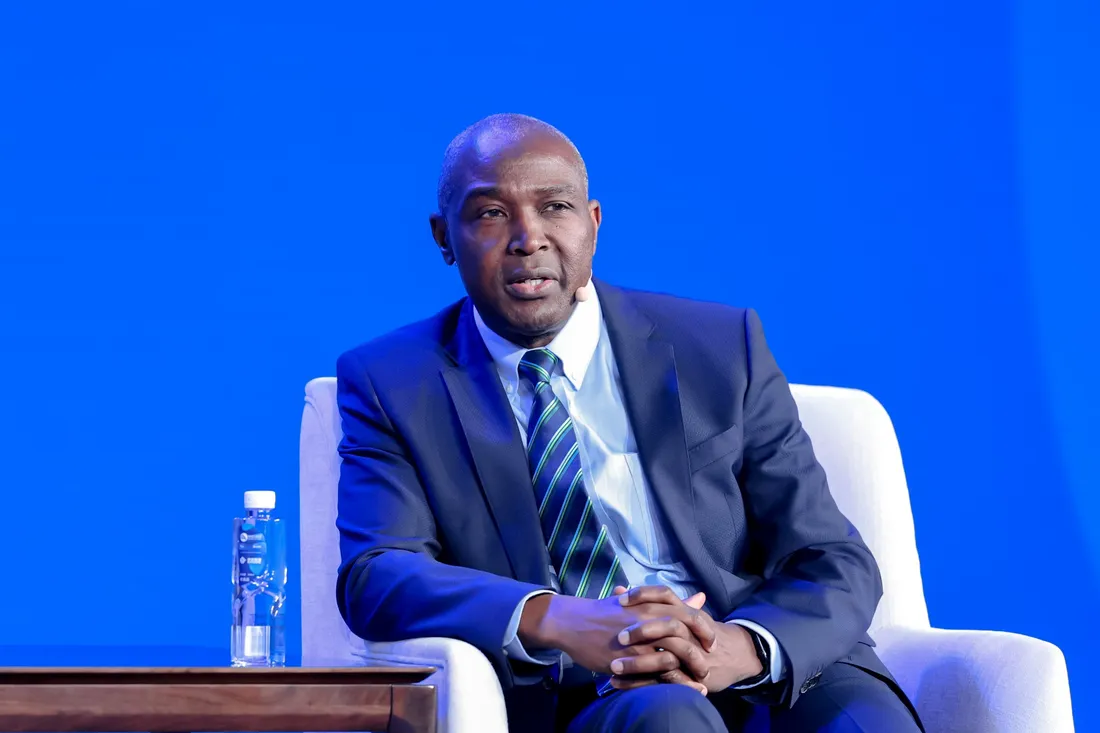
Philip Mshelbila, Managing Director of Nigeria LNG Limited, has been elected Secretary-General of the Gas Exporting Countries Forum (GECF), succeeding outgoing Secretary-General Mohamed Hamel. The GECF, a key platform uniting major gas producers worldwide, promotes dialogue and advances global energy security. Mshelbila’s appointment underscores Africa’s growing prominence in global gas discussions and its efforts to position natural gas as a cornerstone of future energy solutions.
The African Energy Chamber (AEC) welcomed the appointment, describing it as a landmark for African representation in global energy governance. Under Mshelbila’s leadership, African gas producers are expected to gain a stronger voice in shaping international energy policies while aligning global decisions with the continent’s development objectives.
The AEC also congratulated Nigeria’s Minister of State for Petroleum Resources (Gas), Ekperikpe Ekpo, on his election as President of the 2026 GECF Ministerial Meeting.
“With African leadership at the helm of the GECF, we can shape global gas dialogue, advocate for fair investment, and position our gas as a cornerstone of global energy security,” said NJ Ayuk, Executive Chairman of the African Energy Chamber. “Outgoing Secretary-General Hamel brought Mauritania, Mozambique, Angola, and Senegal into the global gas family, championing the fight against energy poverty. With leadership moving from one African to another, the GECF will continue making gas central to our continent’s development.”
The appointments come as Africa solidifies its role as a global gas producer. Established markets such as Nigeria, Angola, Libya, and Algeria, alongside emerging producers like Senegal, Mauritania, Mozambique, and the Republic of Congo, are ramping up production and exports.
In Nigeria, the expansion of the Nigeria LNG facility, including the development of Train 7, will increase production from 22 million tons per annum (mtpa) to 30 mtpa, supporting the country’s LNG ambitions. Angola is developing its first non-associated gas project, feeding the Angola LNG plant, while Algeria and Libya plan increased exports to Europe.
New LNG projects are further driving Africa’s gas growth. The Greater Tortue Ahmeyim development on the Senegal-Mauritania maritime border began production in 2025, with Phase Two expected to double output to 5 mtpa. Mozambique continues LNG expansion through the Coral Sul FLNG vessel and projects including Mozambique LNG, Rovuma LNG, and Coral North. The Republic of Congo recently launched Congo LNG, expanding African LNG capacity.
Emerging frontiers include Zimbabwe’s Cabora Bassa Basin gas exploration and Tanzania’s planned $42-billion LNG terminal in Lindi, expected to unlock over 57 trillion cubic feet of reserves. These initiatives highlight Africa’s shift toward leveraging gas for industrialization, power generation, and sustainable growth.
Mshelbila’s election positions Africa at the center of global gas governance, offering an opportunity to strengthen the continent’s influence on energy policy while supporting the development of African gas resources.