

By Ayomide Otitoju
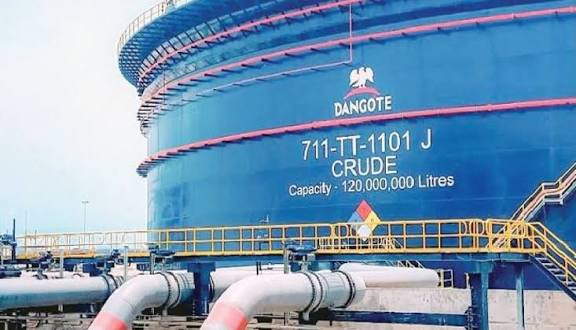
President of Dangote Industries Limited, Aliko Dangote, has announced plans to expand the Dangote Petroleum Refinery’s capacity from 650,000 barrels per day (bpd) to 1.4 million bpd, with a commitment to higher Nigerian workforce participation and stronger national energy security.
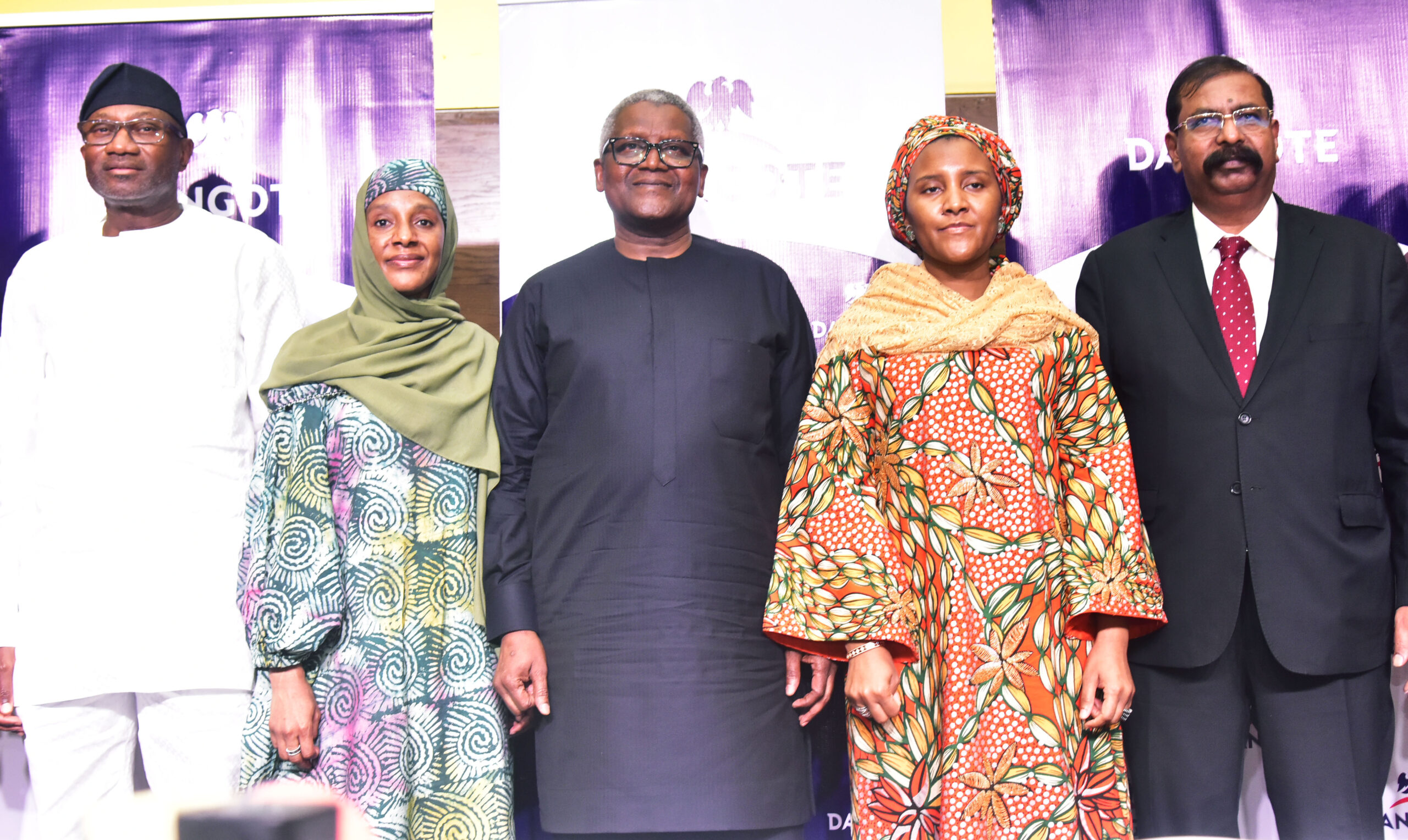
Speaking during a press conference in Lagos on Sunday, Dangote clarified that more than 85% of the refinery’s workforce will be Nigerians, emphasizing the group’s dedication to skills development, safety, and technology transfer.
“With this expansion, the refinery transitions from producing Euro V to Euro VI fuel standards, meeting the highest global environmental benchmarks,” Dangote said. “We will also expand our power generation capacity to 1,000 megawatts, ensuring full operational self-sufficiency.”
The expansion comes amid recent tensions with the Petroleum and Natural Gas Senior Staff Association of Nigeria (PENGASSAN) and the Nigerian Union of Petroleum and Natural Gas Workers (NUPENG) over welfare and dismissal concerns. Dangote assured that the company remains committed to fair labour practices and constructive dialogue.
Valued at $20 billion, the Dangote Refinery is already the world’s largest single-train facility. The expansion, scheduled to be completed within three years, will more than double its output and position Nigeria as a global refining hub. When concluded, the facility will surpass India’s Jamnagar Refinery in size and production capacity.
Dangote said the project would be financed through a mix of internal cash flow, public listing, and strategic investors. He revealed plans to list a significant portion of the refinery’s shares on the Nigerian Exchange (NGX) within the next year to “democratize ownership and allow Nigerians to share in its value creation.”
“Our main listing will be here in Nigeria,” he noted. “We want the Dangote Refinery to be the golden stock of the Exchange — a true national asset.”
The expansion will also increase polypropylene production from 900,000 to 2.4 million metric tonnes per annum, supporting detergent manufacturing and base oil production for the lubricant industry.
Dangote projected that the refinery could generate annual revenues exceeding $55 billion, saving Nigeria billions in foreign exchange by eliminating refined fuel imports and stabilizing the naira.
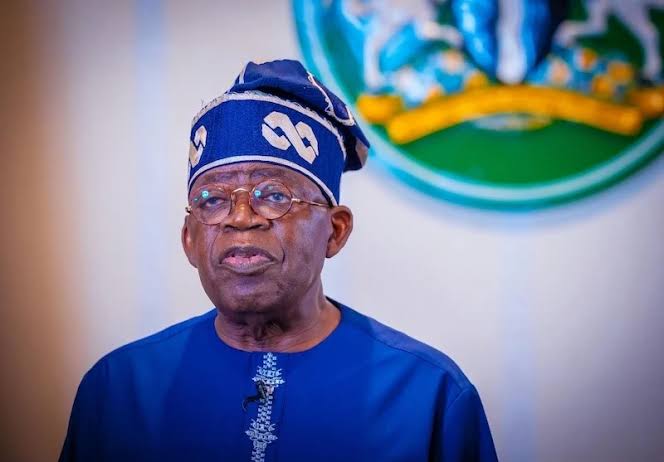
“This is a vote of confidence in Nigeria and in the reforms of President Bola Ahmed Tinubu’s administration,” Dangote said. “We are not just refining oil — we are refining opportunities for our people.”
He assured Nigerians of stable fuel supply during the festive season, promising no scarcity or price hikes despite global oil price increases.
“For the first time in many years, Nigerians can look forward to a Christmas and New Year free of fuel anxiety,” he said.
Dangote expressed gratitude to the Federal and Lagos State Governments for their continued support and urged other investors with refinery licences to collaborate in achieving Nigeria’s goal of becoming Africa’s energy hub.
“When Africa builds its own capacity, it builds its own destiny,” he concluded.