






By Ayomide Otitoju
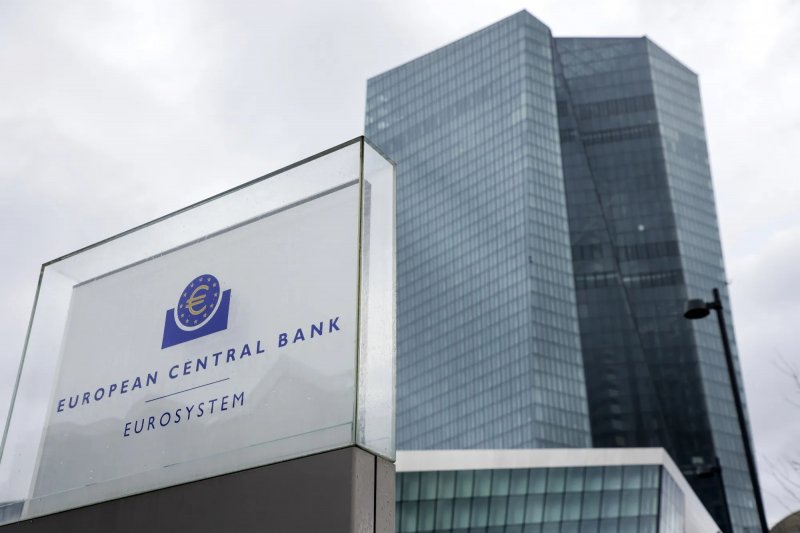
The European Central Bank (ECB) is expected to keep interest rates unchanged this week for a third consecutive meeting, as inflation stabilizes and the eurozone economy shows tentative signs of recovery.
Following a year-long series of rate cuts, the ECB has maintained its key deposit rate at two percent since July. Inflation has hovered near the bank’s two-percent target in recent months, while Europe has weathered the impact of U.S. President Donald Trump’s trade tariffs better than many had anticipated.
Despite improved conditions, challenges persist. France’s ongoing political turmoil has pushed up borrowing costs in the bloc’s second-largest economy, and the potential for renewed trade tensions continues to loom. Still, ECB President Christine Lagarde has struck an optimistic tone. “With policy rates now at two percent, we are well placed to respond if the risks to inflation shift, or if new shocks emerge that threaten our target,” Lagarde said in a September address in Helsinki, reinforcing expectations that Thursday’s policy meeting will deliver no change in rates.
The contrast with the United States is sharp. The U.S. Federal Reserve is widely expected to implement its second consecutive rate cut this week amid signs of a cooling labor market and slowing business confidence.
For much of the past year, the eurozone economy has struggled to gain momentum, weighed down particularly by weak performance in Germany. However, recent data suggest modest improvement across the 20-nation bloc. ECB policymakers are convening in Florence, Italy, for their regular off-site meeting, where investors will closely analyze Lagarde’s post-decision remarks for clues on future policy direction.
“The meeting is a moment to take stock rather than to take action,” said Michel Martinez, chief economist at Société Générale, in comments to AFP.
Some policymakers, however, have left the door open to a rate cut in December. Lithuania’s central bank governor and ECB Governing Council member Gediminas Šimkus argued in September that “from a risk-management perspective, it’s better to cut than not,” citing a strong euro and easing wage growth that could suppress inflation further.
ING economist Carsten Brzeski agreed that “valid dovish arguments” could prompt the ECB to reduce rates again before year-end, pointing to potential risks from U.S. tariffs, delays in German defense spending, and France’s political instability.
Andrew Kenningham of Capital Economics projected that further cuts may come in 2026 as inflationary pressures and wage growth continue to cool. “There are now very few reasons to fear a resurgence of inflation — the economy remains weak and the labor market is loosening,” he said.
With the eurozone’s recovery still fragile, Thursday’s decision is expected to emphasize caution — signaling that while the ECB may be on pause for now, the debate over future easing is far from over.