






By Ayomide Otitoju
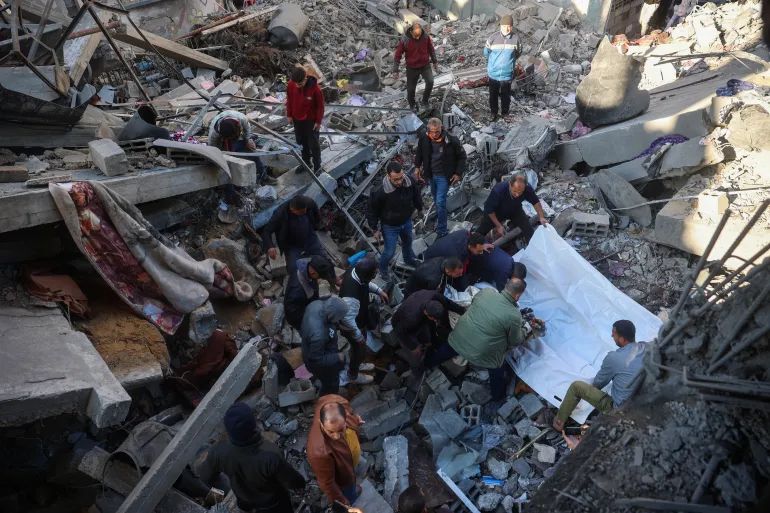
Fresh Israeli air strikes killed four people in southern Gaza on Thursday, Gaza health authorities said, prompting warnings from Qatar that renewed attacks could jeopardise the fragile ceasefire between Israel and Hamas.
The latest strikes occurred less than 24 hours after one of the deadliest days in the Gaza Strip since the truce took effect on October 10. They also followed a series of Israeli attacks on Hezbollah targets in Lebanon, despite a year-long ceasefire in that region.
Nasser Hospital in Khan Yunis reported that four people were killed in the early-morning bombardment. Gaza’s civil defence agency initially put the toll at three. According to hospital officials, three members of the same family — including a one-year-old girl — died when a house east of Khan Yunis was hit. A fourth victim was killed in a strike on Abasan al-Kabira, also east of the city.
A source within the Hamas-run interior ministry, speaking anonymously, said artillery fire continued in the Khan Yunis area.
Qatar, a key mediator in the ongoing truce, condemned the “brutal” Israeli strikes, calling them “a dangerous escalation that threatens to undermine the ceasefire agreement”.
Residents of Gaza expressed mounting fear and exhaustion.
“We are worried about the war returning,” said Lina Kuraz, 33, from Gaza City’s Tuffah neighbourhood. “The sound of artillery shelling and explosions was terrifying last night. My daughter kept asking, ‘Will the war come back?’ Every time we regain hope, the shelling starts again.”
The Israeli military confirmed it carried out a strike east of the so-called “yellow line” — the boundary inside Gaza behind which Israeli troops have withdrawn under the US-brokered truce.
A spokesperson said the strike targeted “terror infrastructures” and formed part of “regular IDF operations”, adding the army was not aware of reported casualties.
Despite the ceasefire, Israel has continued to conduct targeted strikes, which Gaza’s health ministry says have killed more than 312 Palestinians. On Wednesday alone, 27 people were killed in Israeli attacks, according to Gaza’s civil defence agency.
“The war hasn’t ended. Nothing has really changed,” said Mohammed Hamdouna, 36, displaced from northern Gaza and now living in a tent in Al-Mawasi. “Martyrs and shelling happen every day. We are still in tents. The cities are rubble. The crossings are closed. Basic necessities are still lacking.”
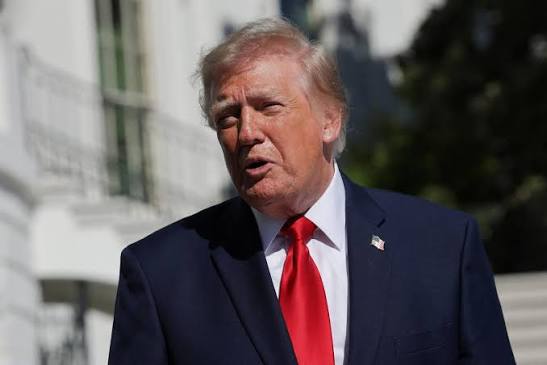
Hamas called on US President Donald Trump and international mediators to pressure Israel to halt its strikes.
“This violation requires serious and effective action,” said Hamas spokesman Hazem Qassem. “The occupation is acting with blatant disregard for the mediators’ efforts.”
The war began on October 7, 2023, when a Hamas assault on Israel killed 1,221 people. Israel’s subsequent military campaign in Gaza has since killed at least 69,546 people, according to Gaza health officials, figures the UN considers credible.
Beyond Gaza, Israel also launched several strikes in southern Lebanon on Wednesday, targeting what the military described as Hezbollah weapons storage sites. The Israeli government accused the Iran-backed group of attempting to rebuild its military capabilities.
Tensions further escalated after Israeli Prime Minister Benjamin Netanyahu visited troops stationed in a buffer zone inside Syria on Wednesday — a move that drew condemnation from Damascus and other regional actors.


